
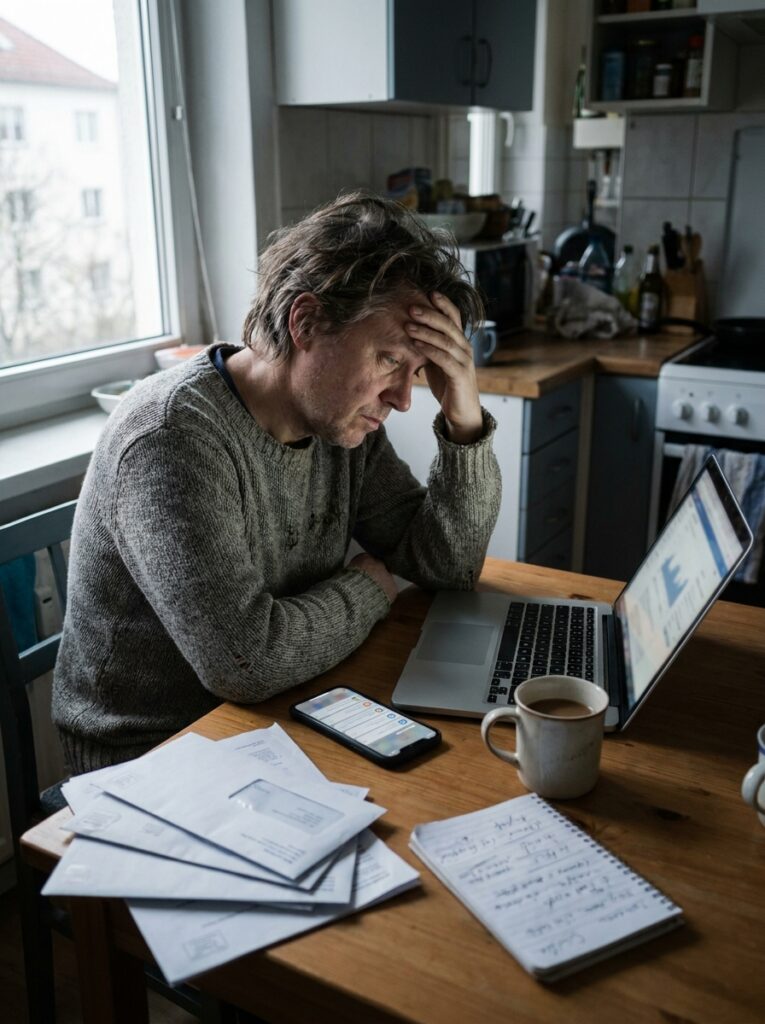
Prolonged stress is not simply a difficult mood or a busy season; when it becomes persistent, it can reshape sleep, emotion, memory, relationships and the brain’s ability to recover.
Stress is a normal human response to pressure. It can sharpen attention before an exam, help a worker meet a deadline or push a parent to act quickly in a moment of danger. In short bursts, stress is part of survival. The problem begins when the alarm does not switch off. When financial strain, workplace pressure, caregiving burdens, conflict, illness or uncertainty continue for weeks, months or years, stress can become chronic. At that point, it is no longer just an emotional experience. It becomes a sustained biological and psychological load.
Mental health experts increasingly describe chronic stress as one of the major hidden forces behind modern distress. It does not always announce itself dramatically. It may appear as irritability, poor sleep, low motivation, headaches, constant worry, difficulty concentrating or a sense of being emotionally numb. Many people continue to work, study and care for others while privately feeling that their inner resources are being depleted. Because chronic stress can build gradually, it is often normalized until it begins to damage health, relationships and daily functioning.
The body’s stress response is designed for short-term threats. When a person senses danger or pressure, the brain activates systems that release stress hormones, increase heart rate, sharpen alertness and prepare muscles for action. This response can be useful when the challenge is temporary. But when stressors remain unresolved, the same system may stay activated too long. The mind can begin to scan constantly for risk, even during moments that should feel safe. Over time, this can leave a person feeling restless, exhausted and unable to relax.
One of the clearest effects of prolonged stress is anxiety. Chronic pressure can make ordinary tasks feel threatening and future events feel unmanageable. A person may replay conversations, fear mistakes, avoid decisions or feel physically tense without a clear reason. Anxiety under chronic stress is not merely “worrying too much.” It reflects a nervous system that has been trained by repeated pressure to expect danger. This can interfere with work, school, parenting and social life.
Depression can also emerge or worsen under sustained stress. When people feel trapped in situations they cannot change, they may begin to lose energy, hope and interest in activities that once gave them meaning. Stress can narrow a person’s emotional world until life feels like a cycle of obligation and recovery that never fully arrives. Not everyone under chronic stress becomes depressed, but long-term exposure to pressure can reduce resilience and make recovery from setbacks more difficult.
Sleep is often one of the first casualties. A stressed brain may remain active at night, reviewing problems or anticipating the next day’s demands. Poor sleep then makes emotional regulation harder, creating a damaging loop. A person who sleeps badly is more likely to feel irritable, anxious and overwhelmed. Those feelings can then make the next night’s sleep even worse. Over time, disrupted sleep can weaken concentration, decision-making and patience.
Chronic stress also affects memory and attention. People under long-term pressure may forget appointments, misplace objects, struggle to read, lose track of conversations or find it difficult to complete complex tasks. These problems are sometimes mistaken for laziness or lack of discipline. In reality, the brain is working under load. When mental energy is consumed by worry, vigilance or emotional strain, fewer resources remain for planning, creativity and learning.
Relationships often absorb the consequences. A person living with chronic stress may withdraw from friends, snap at loved ones or feel too tired to communicate. Partners and family members may interpret this as rejection or indifference, while the stressed person may feel misunderstood and guilty. Social support can protect mental health, but stress can make it harder to ask for help. This isolation can deepen distress and make recovery slower.
Workplace stress deserves special attention because it is one of the most common sources of prolonged pressure. Heavy workloads, low control, job insecurity, poor management, harassment and lack of recognition can create conditions for burnout. Burnout is more than fatigue. It often includes emotional exhaustion, cynicism and a reduced sense of effectiveness. Workers may continue performing tasks while feeling detached from the purpose of their work. For some, the damage extends beyond the office into sleep, family life and physical health.
Children and adolescents are not immune. Academic pressure, family instability, bullying, poverty, discrimination and exposure to violence can create chronic stress during critical stages of development. Young people may not always describe their experience in adult language. Instead, stress may appear as stomachaches, anger, withdrawal, declining grades, sleep problems or changes in appetite. Early support matters because prolonged stress during development can shape how young people respond to future challenges.
Adults caring for children, elderly relatives or ill family members face another form of sustained stress. Caregiving can be meaningful, but when it comes without rest, financial support or community help, it can become emotionally overwhelming. Caregivers may neglect their own medical needs, social lives and sleep while focusing on others. The mental health burden is often intensified by guilt: the belief that feeling exhausted means failing someone they love.
Chronic stress can also increase unhealthy coping. Some people drink more alcohol, smoke more, overeat, use drugs, gamble, scroll endlessly online or avoid responsibilities because they are trying to reduce distress quickly. These behaviors may provide temporary relief, but they often create new problems and deepen the original stress. The issue is not moral weakness. It is a search for relief when healthier support systems are unavailable or insufficient.
The impact of chronic stress is not distributed equally. People facing poverty, unsafe housing, discrimination, unstable employment, war, displacement or limited access to health care may experience stressors that cannot be solved by individual lifestyle changes alone. Telling people simply to meditate or exercise can be inadequate when the roots of distress are structural. Mental health is shaped not only by personal habits, but also by income, safety, housing, education, community and access to care.
Still, recovery is possible. The first step is recognizing chronic stress as a real health issue rather than a personal failure. People benefit from identifying stressors, restoring sleep routines, moving the body, limiting harmful substances, maintaining social connection and seeking professional support when symptoms persist. Therapy can help people understand patterns, regulate emotions and make difficult decisions. Medical care may be necessary when stress is linked with anxiety disorders, depression, trauma symptoms or thoughts of self-harm.
Employers, schools and governments also have responsibilities. Workplaces can reduce harm by addressing workload, scheduling, harassment and job control. Schools can support students through counseling, anti-bullying policies and realistic academic expectations. Health systems can make mental health care easier to access before crises develop. Communities can reduce isolation by creating spaces where people feel seen and supported.
The most dangerous myth about chronic stress is that endurance alone is strength. Many people are praised for pushing through pressure until their health collapses. A healthier society would recognize that resilience is not endless tolerance of harmful conditions. It is the ability to recover, adapt and receive support. Chronic stress becomes most damaging when people are expected to carry it silently.
The modern world is unlikely to become free of pressure. Economic uncertainty, digital overload, family demands and global instability will continue to test mental health. But the effects of prolonged stress are not inevitable. With earlier recognition, better support and less stigma, people can interrupt the cycle before stress becomes anxiety, depression, burnout or despair. The lesson from mental health science is clear: the body can handle alarm, but it was never meant to live there.
“””
