
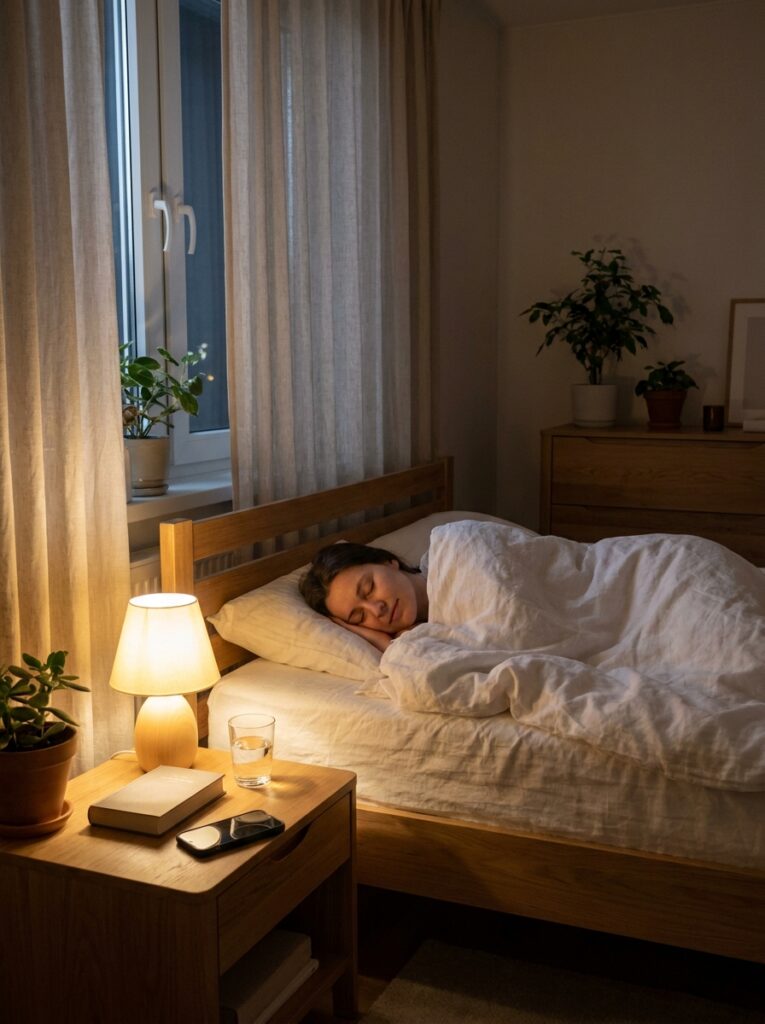
Far from being a passive state of rest, sleep is an active biological process that helps protect the brain, heart, immune system, metabolism and emotional balance.
For many people, sleep is the first thing sacrificed when life becomes busy. Work deadlines, school pressure, family responsibilities, entertainment, social media and late-night screen use often push bedtime later and later. In modern life, sleeping less is sometimes mistaken for discipline or ambition. But science tells a different story: sleep is not wasted time. It is one of the body’s most important systems for survival, repair and long-term health.
During sleep, the body does not simply shut down. It enters a highly organized state in which the brain, hormones, immune system, heart and muscles carry out essential work. The body moves through different stages of sleep, including lighter sleep, deep sleep and rapid eye movement sleep. Each stage has a role. Some stages help physical recovery. Others support memory, learning, emotional processing and brain development.
One of the clearest reasons sleep matters is its effect on the brain. A well-rested brain thinks more clearly, reacts more quickly and makes better decisions. Sleep helps people focus, remember information and solve problems. Students who sleep well are more likely to learn effectively. Workers who are rested are less likely to make serious mistakes. Drivers who are sleep-deprived can become dangerously slow to react, even if they believe they are still alert.
Memory is especially dependent on sleep. During the day, the brain collects information from study, work, conversation and experience. During sleep, it helps organize and store that information. This is why staying awake all night before an exam or important task can be counterproductive. The extra hours of wakefulness may feel useful, but without sleep, the brain has less opportunity to consolidate what it has learned.
Sleep also helps regulate emotions. After a poor night of sleep, many people feel more irritable, anxious or overwhelmed. This is not just a matter of mood. Sleep affects the brain systems involved in emotional control and stress response. When sleep is repeatedly shortened, the ability to handle pressure can weaken. Small problems may feel larger. Conflicts may become harder to manage. Over time, chronic sleep deficiency may contribute to mental health difficulties.
The heart also depends on sleep. During healthy sleep, heart rate and blood pressure can fall, giving the cardiovascular system a period of reduced strain. This nightly rhythm supports recovery from the demands of waking life. When sleep is too short, fragmented or irregular, the body may spend more time in a state of stress. That can affect blood pressure, inflammation and other processes linked to long-term cardiovascular risk.
Sleep is closely tied to metabolism, the system that helps the body use and store energy. Poor sleep can affect hormones involved in hunger and fullness, making some people feel hungrier or more likely to crave high-calorie foods. It can also influence how the body handles blood sugar. This does not mean that one bad night will cause disease, but repeated sleep loss can make it harder for the body to maintain healthy metabolic balance.
The immune system is another major reason sleep matters. While sleeping, the body supports immune defenses that help identify and respond to threats. People who consistently sleep too little may find that their bodies are less resilient. Sleep is not a magic shield against illness, but it is part of the foundation that helps the body prepare, repair and recover.
Physical repair also occurs during sleep. Muscles, tissues and cells use this period to recover from daily activity. For athletes, laborers and anyone who exercises, sleep is part of training, not separate from it. Strength, coordination and reaction time can all suffer when sleep is poor. This is why professional sports teams, military organizations and high-performance workplaces increasingly treat sleep as a serious factor in performance.
Children and teenagers need sleep for another reason: growth and development. Young bodies and brains are changing rapidly, and sleep supports that process. Lack of sleep in young people can affect attention, behavior, learning and emotional control. Yet many teenagers face early school schedules, heavy homework, digital distractions and social pressure that reduce sleep at exactly the age when they need it most.
Sleep also helps the body maintain its internal clock, known as the circadian rhythm. This rhythm is influenced by light, darkness, meals, activity and routine. It helps tell the body when to feel alert and when to feel sleepy. When people sleep at irregular times, work night shifts or use bright screens late into the night, this rhythm can become disrupted. The result may be difficulty falling asleep, waking up tired or feeling sleepy at the wrong time of day.
Quality is as important as duration. Someone may spend eight hours in bed but still feel exhausted if sleep is repeatedly interrupted. Noise, stress, alcohol, untreated sleep apnea, pain, anxiety or an uncomfortable sleeping environment can reduce sleep quality. Good sleep means not only enough time asleep, but also sleep that is deep, regular and restorative.
The effects of poor sleep often appear first in daily life. A person may feel foggy, impatient, forgetful or less motivated. They may rely heavily on caffeine, struggle to concentrate in meetings or classes, or feel sleepy while commuting. These symptoms are easy to dismiss, but they are warning signs. The body is signaling that it has not had enough time to recover.
Modern technology has made sleep more difficult for many people. Phones and computers keep the mind engaged long after the body should be winding down. Social media, streaming platforms and online games are designed to hold attention. Bright light from screens can also interfere with the body’s natural preparation for sleep. The problem is not technology alone, but the way it can erase boundaries between day and night.
Improving sleep usually begins with simple habits. A consistent bedtime and wake time can help stabilize the body’s internal clock. A dark, quiet and cool room can make sleep easier. Reducing screens before bed, limiting late caffeine and creating a calming routine can also help. Regular physical activity during the day often supports better sleep at night, though intense exercise too close to bedtime may keep some people awake.
It is also important to recognize when sleep problems may require medical attention. Loud snoring, pauses in breathing, severe daytime sleepiness, chronic insomnia or waking repeatedly during the night can signal a sleep disorder. In those cases, sleep is not simply a lifestyle issue. Professional evaluation may be necessary.
The broader lesson is that sleep should be treated as a basic pillar of health, alongside nutrition, exercise and mental well-being. It supports the systems that allow people to think, work, heal, learn, move and regulate emotion. Cutting sleep may create a few extra hours in the short term, but the body eventually pays the cost.
In a culture that often rewards constant activity, protecting sleep can feel difficult. But rest is not laziness. It is biological maintenance. The sleeping body is repairing tissue, organizing memory, balancing hormones, calming the heart and preparing the mind for another day. To sleep well is not to step away from life. It is to give the body the conditions it needs to live fully.”””
