
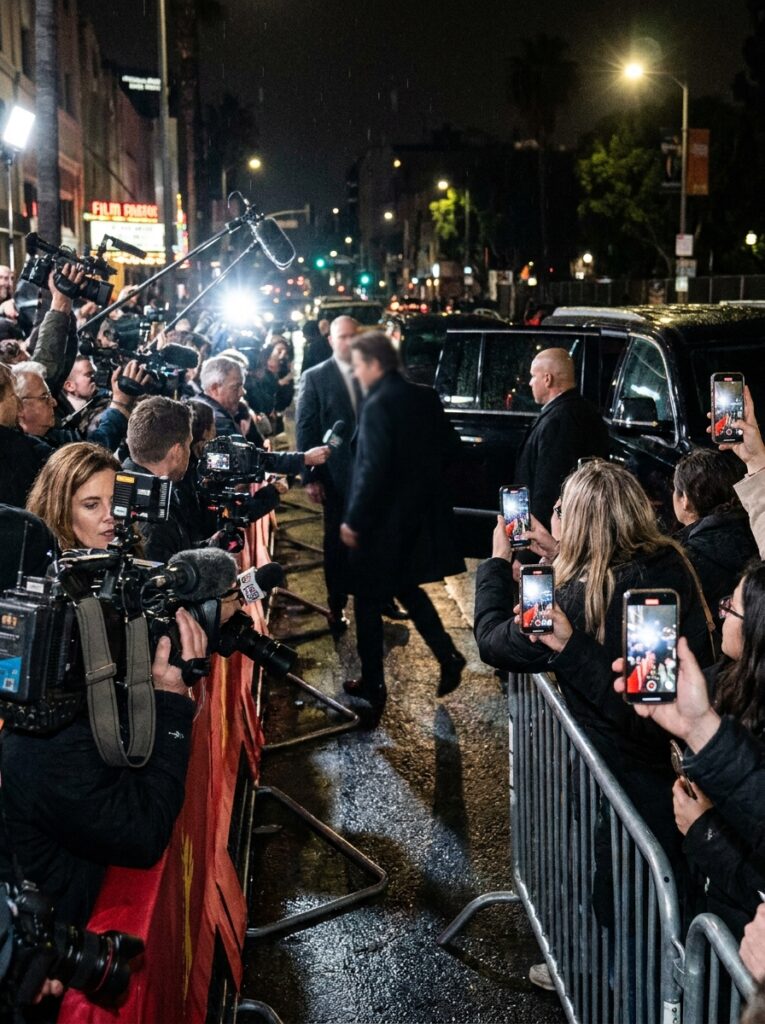
A generation raised on smartphones is redefining leisure through short-form video, streaming, games, music, creator culture and a renewed appetite for shared real-world experiences.
The defining entertainment habit of young people today is not simply watching, listening or playing. It is switching. A teenager may begin an evening with TikTok clips, move to a YouTube creator, join friends inside a game, stream a drama episode, send memes in a group chat, listen to a podcast before sleep and decide whether a film is worth seeing in theaters based on what the internet is saying about it. Entertainment has become less a scheduled activity than a continuous flow of media, conversation and identity.
This shift marks one of the most important cultural changes in modern consumer life. For earlier generations, television, radio, cinema and recorded music were distinct industries. For Gen Z and younger audiences, they increasingly merge on the same device and inside the same social ecosystem. The smartphone is not only a screen. It is a theater, game console, music player, camera, social club, shopping mall and public square.
The result is a youth entertainment culture shaped by speed, personalization and participation. Young audiences do not wait for media companies to tell them what matters. Algorithms, friends, influencers, fandoms and online communities help decide what becomes popular. A song can surge because of a dance challenge. A television series can find a second life through edits and reaction videos. A game can become a concert venue. A film can become an event before release because its cast, trailer or press tour has already become a meme.
Social video sits at the center of this world. TikTok, YouTube Shorts, Instagram Reels and similar formats have trained young viewers to expect entertainment in compact, instantly rewarding bursts. Short-form video is not only a distraction between longer activities. It is often the main stage where jokes, music, fashion, beauty trends, political fragments, celebrity moments and product recommendations are discovered. For many young users, the feed has replaced the channel guide.
YouTube remains especially powerful because it bridges generations of digital behavior. It contains short clips, long-form creator videos, music, podcasts, tutorials, livestreams, gaming commentary and television-style viewing on connected TVs. Pew Research Center reported that nine in ten U.S. teens used YouTube in its 2024 survey, making it the most widely used platform among the teens surveyed. That breadth helps explain why YouTube functions as both entertainment and search engine for younger audiences who often prefer watching an explanation to reading one.
TikTok has become the clearest symbol of entertainment as algorithmic discovery. Pew’s 2026 survey of U.S. teens found that roughly nine in ten or more users of TikTok, Instagram and Snapchat cite entertainment as a reason they use those platforms, with TikTok users especially likely to describe entertainment as a major reason. The platform’s influence lies in its ability to make culture feel immediate and participatory. Users are not just consuming trends; they are remixing them, commenting on them, parodying them and sometimes launching them.
Streaming platforms remain important, but their role has changed. Netflix, Disney+, Prime Video and regional services still deliver prestige dramas, reality series, animation and international hits. Yet young audiences increasingly encounter these shows through social media before they commit to watching them. The trailer, fan edit, spoiler discussion or celebrity interview may reach them first. Streaming is no longer isolated from the feed; it depends on the feed to create urgency.
The old idea of “appointment television” has not disappeared, but it has been transformed. Instead of gathering at 8 p.m. for a network broadcast, young viewers gather around moments: a season drop, a finale, a livestream, a creator controversy, an esports match, a music release or a film premiere. The appointment is cultural rather than strictly scheduled. The fear of missing out is less about missing the program itself than missing the conversation around it.
Gaming is another pillar of youth entertainment, and it is increasingly social. For many young people, games are not only competitions or stories. They are places to meet friends, customize identity and participate in events. Platforms such as Roblox, Fortnite, Minecraft and mobile multiplayer games blur the line between play, communication and creation. Roblox reported 111.8 million average daily active users and 27.4 billion hours engaged in the second quarter of 2025, figures that show how game platforms have become major social spaces as well as entertainment businesses.
The appeal of gaming also reflects a deeper preference for interactive media. Young people are accustomed to choosing outcomes, building avatars, ranking up, chatting live and shaping the experience around themselves. Compared with passive viewing, games offer agency. That expectation increasingly affects other entertainment forms. Livestreaming, interactive polls, creator Q&As and fan-driven communities all borrow from gaming’s logic: the audience wants to be involved.
Music has also become more visual, social and mood-based. Songs travel through short videos, playlist culture, fandom networks and creator recommendations. A track may become famous not because radio programmers choose it, but because millions of users attach it to makeup routines, travel montages, study sessions or jokes. For young listeners, music is both personal soundtrack and public signal. What someone listens to can communicate mood, identity, humor and belonging.
Podcasts and video podcasts have gained ground because they offer companionship. Young audiences often use audio while commuting, studying, exercising or relaxing. The format’s intimacy fits a generation that values authenticity, even when the production is highly professional. Video podcasts add another layer, turning conversation into a watchable performance and giving creators more ways to circulate clips across social platforms.
At the same time, the rise of digital entertainment has created fatigue. Many young people describe feeling overwhelmed by endless scrolling, subscription costs, online drama and the pressure to stay current. The same platforms that provide connection can also disrupt sleep, attention and self-image. Pew’s 2026 research found that teen TikTok users were more likely than users of Instagram or Snapchat to say the platform hurt their sleep, while large majorities across the platforms still described their experiences as mostly positive. That tension defines much of youth media life: entertainment is useful, enjoyable and social, but also difficult to regulate.
This helps explain the renewed interest in offline experiences. Concerts, festivals, cinema trips, pop-up events, sports, cafés, bookstores and community spaces offer something digital feeds cannot fully reproduce: presence. Young people are not abandoning screens, but many are looking for moments that feel more memorable because they happen away from them. Recent reporting on cinema attendance has suggested that Gen Z is helping sustain theatrical moviegoing, treating films as social events rather than just content to stream later.
The strongest trend, therefore, is not digital replacing physical entertainment. It is the integration of both. A concert begins online with ticket announcements, fan theories and outfit planning, continues in person, and then returns online through clips and reactions. A movie becomes an event because social media builds anticipation and extends discussion after the credits. A game becomes culture because players share highlights, memes and livestreams. The boundary between experience and content has become porous.
For media companies, the challenge is severe. Young audiences are valuable but hard to hold. They are skeptical of traditional advertising, quick to cancel subscriptions, comfortable with free content and drawn to creators who feel more relatable than institutions. Deloitte’s 2025 Digital Media Trends report described a market in which entertainment time is fragmented across subscription video, user-generated content, social platforms, gaming, music and podcasts. In that environment, every company is competing not only with direct rivals but with everything else a young person can do on a screen.
For creators, the opportunity is unprecedented. A teenager with a phone can reach an audience once available only to broadcasters. Influencers, streamers, fan editors, podcasters and independent musicians now shape mainstream culture. But creator life is also unstable, dependent on platform rules, algorithm changes, audience expectations and the constant demand for new material. The creator economy has opened doors while making entertainment labor more continuous and exposed.
Parents, educators and regulators are still trying to understand the consequences. The central question is no longer whether young people should use digital entertainment; they already do. The harder question is how to encourage healthier patterns: better sleep, stronger privacy, less harassment, more media literacy and more spaces where young people can gather without being constantly measured by likes, views and comments.
The entertainment habits of young people today are often criticized as shallow or distracted. That judgment misses the complexity of what is happening. This generation is consuming more types of media, across more formats, with more opportunities to respond, remix and organize around what they love. Their attention may move quickly, but it is not random. It follows connection, humor, identity, authenticity and the desire to participate.
The future of entertainment will likely be built around that reality. The winners will be platforms, studios, artists and creators that understand young audiences not as passive viewers but as active participants. They want stories, but also communities. They want convenience, but also events. They want personalization, but also shared culture. They want digital access, but also real-world meaning.
Youth entertainment is no longer something that happens after school, after work or on weekends. It is woven through the day, carried in pockets, shaped by friends, filtered by algorithms and brought to life in both virtual and physical spaces. It is fast, fragmented and sometimes exhausting, but it is also creative, global and deeply social. More than any single platform, that is the trend defining entertainment now.
“””
