
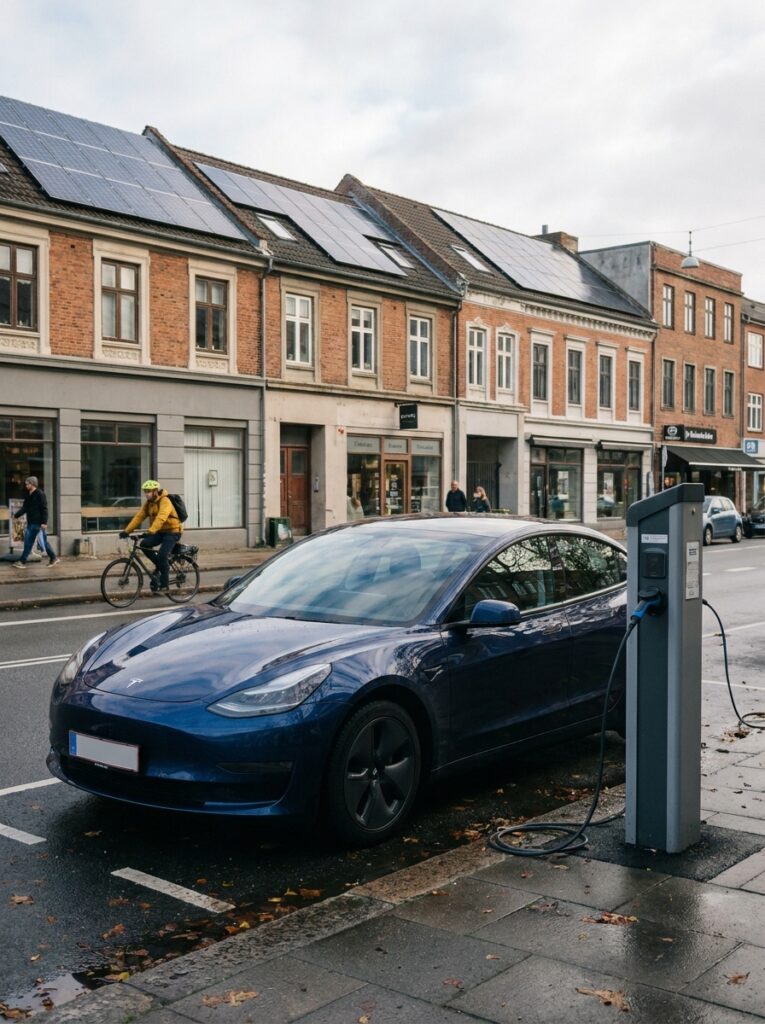
From electric vehicles and solar panels to smart homes and electronic recycling, green technology is offering practical tools for a cleaner world, but its success will depend on affordability, infrastructure and public trust.
Green technology is no longer a distant promise discussed only by scientists, environmental activists or government planners. It is entering roads, rooftops, homes, factories and waste centers. Electric vehicles are changing the car market. Solar panels are reshaping electricity systems. Smart homes are helping families monitor and reduce energy use. Recycling programs are trying to recover valuable materials from discarded phones, computers and batteries. Together, these technologies are becoming part of a wider answer to one of the central questions of this century: how can societies grow without destroying the environment that supports them?
The appeal of green technology is clear. It offers solutions that feel practical rather than abstract. Climate change, air pollution, waste and resource depletion can seem too large for ordinary people to influence. But choosing an electric car, installing rooftop solar, using energy-efficient appliances or recycling old electronics makes environmental action visible in daily life. Technology turns responsibility into tools people can touch.
Electric vehicles are among the most visible symbols of this transition. They reduce tailpipe pollution, operate more quietly than conventional vehicles and can cut dependence on oil when powered by cleaner electricity. In crowded cities, where traffic emissions affect public health, the shift from gasoline and diesel engines to electric mobility can improve air quality. For drivers, electric vehicles can also offer lower operating costs, especially where electricity prices are stable and charging at home is available.
But electric vehicles are not a simple miracle. Their environmental benefit depends partly on how the electricity is produced. A car charged by coal-heavy power is cleaner at the street level but still connected to emissions elsewhere. Battery production also requires minerals such as lithium, nickel, cobalt and graphite, raising concerns about mining, labor rights, water use and supply chains. A truly green electric vehicle system must therefore include cleaner grids, responsible mining, battery recycling and public transportation, not only private cars.
Charging infrastructure is another decisive factor. Wealthier households with garages can often charge easily. Apartment residents, renters and people in rural areas may face more difficulty. If charging stations are unreliable, expensive or unevenly distributed, electric vehicles risk becoming a technology for the privileged rather than a broad environmental solution. Governments and companies must ensure that the transition does not leave behind those who cannot afford new cars or private chargers.
Solar energy has moved just as quickly from niche technology to mainstream power source. Its strength is simple: sunlight is abundant, and solar panels can be deployed on homes, schools, factories, farms and large power plants. As costs have fallen, solar power has become one of the most competitive sources of new electricity in many regions. It can reduce emissions, strengthen energy independence and bring power to communities far from traditional grids.
Rooftop solar has particular social significance because it changes the relationship between citizens and energy. A household or business can become not only a consumer but also a producer. In sunny regions, panels combined with batteries can reduce electricity bills and provide backup during outages. For schools, hospitals and small enterprises, reliable solar power can support essential services. In developing areas, decentralized solar systems can help communities move directly toward cleaner energy without waiting for large power plants.
Yet solar power also brings challenges. Sunlight is variable. Panels produce more during the day than at night, and output changes with weather. This means electricity systems need batteries, flexible grids, demand management and other sources of clean power to maintain reliability. Large solar farms also require land, and poor planning can create conflict with agriculture, biodiversity or local communities. Solar energy is powerful, but it must be integrated carefully.
The smart home is another front in the green technology movement. Energy-saving devices may not attract the same attention as electric cars or solar farms, but buildings are major energy users. Smart thermostats, efficient air conditioners, motion sensors, LED lighting, connected meters and automated appliances can reduce waste by adjusting energy use to real needs. A home that cools rooms only when occupied, turns off lights automatically and tracks electricity consumption can reduce costs and emissions at the same time.
Smart homes also help people understand energy. Many households receive a monthly bill but do not know which devices consume the most power. Digital meters and energy apps can make invisible waste visible. When people see how air conditioning, water heating or old appliances affect consumption, they can change behavior. Technology does not replace discipline, but it can make discipline easier.
However, smart homes must be designed for inclusion. If energy-saving technology is too expensive or too complicated, it will mainly benefit wealthy households. The greatest efficiency gains may actually be needed in older buildings, rental housing and low-income communities where appliances are outdated and insulation is poor. A fair green transition should support retrofits, efficient cooling, better building standards and affordable devices, not only luxury homes filled with sensors.
There is also the issue of data and privacy. Smart devices collect information about when people are home, how they live and what they use. If poorly protected, that data can be misused. Green technology should not require citizens to surrender privacy in exchange for lower electricity bills. Strong standards, cybersecurity and transparent rules are necessary to maintain trust.
Recycling technology is the less glamorous but equally essential part of the green future. Modern life produces enormous amounts of electronic waste: phones, laptops, televisions, chargers, batteries, tablets and appliances. Many contain valuable metals that can be recovered. They also contain hazardous substances that can harm workers, soil, water and air if handled carelessly. Throwing electronics into landfills is not only wasteful; it can be dangerous.
A circular economy offers a better model. Products should be designed to last longer, be repaired more easily and be recycled safely at the end of life. Manufacturers can use modular parts, provide spare components and reduce unnecessary complexity. Consumers can repair devices, trade them in or bring them to certified collection points. Governments can require producer responsibility so companies remain accountable after products are sold.
Battery recycling will become especially important as electric vehicles and renewable energy storage expand. Used batteries can sometimes be reused for less demanding storage before being recycled for materials. Recovering lithium, nickel and cobalt can reduce pressure on mining and improve supply security. But recycling systems must scale quickly and safely. Without proper planning, today’s clean technologies could become tomorrow’s waste problem.
The success of green technology will depend on more than invention. It will require infrastructure, regulation, education and fair financing. A city cannot promote electric mobility without chargers and better public transport. A country cannot rely on solar power without modern grids and storage. A household cannot become energy efficient if efficient appliances remain unaffordable. A recycling program cannot work if people do not know where to bring old devices.
Public trust is central. Green technology often asks people to change habits, invest money or accept new systems. If products fail, if claims are exaggerated or if companies engage in greenwashing, confidence weakens. Environmental language must be matched by measurable results. A product should not be called sustainable only because it is fashionable. Its full life cycle should be considered: materials, manufacturing, energy use, repairability, lifespan and disposal.
There is also a risk of believing technology alone can solve environmental problems. A cleaner car still occupies road space. A smart home still consumes energy. A recyclable phone still requires resources to manufacture. Green technology works best when paired with smarter behavior: using public transport, reducing unnecessary consumption, sharing resources, repairing products and designing cities that waste less energy.
The future will likely belong to societies that combine innovation with responsibility. Electric vehicles can clean up transport. Solar power can transform electricity. Smart homes can reduce waste. Recycling technology can recover value from discarded devices. But each solution becomes truly green only when it is accessible, durable and connected to a wider system of environmental protection.
Green technology is therefore not just about machines. It is about choices. It asks governments to plan beyond election cycles, companies to design beyond quick profit and citizens to think beyond convenience. The tools already exist. The challenge now is to use them wisely, fairly and at the scale the planet requires.”””
