
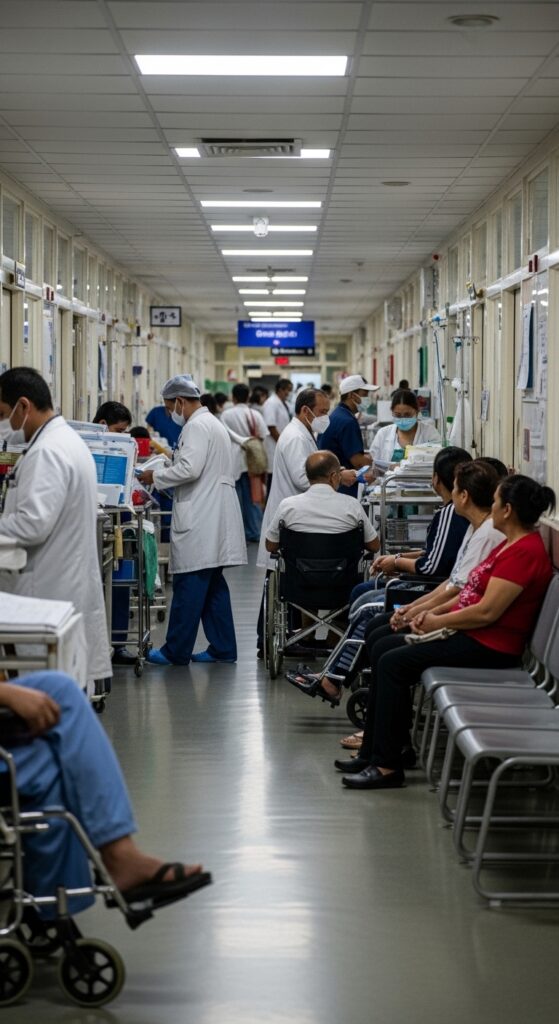
From chronic disease to climate shocks and aging populations, the world’s health systems are being forced to treat illness while preparing for a more unstable future.
Health has become one of the defining measures of whether societies can protect their people in an age of overlapping crises. Hospitals, clinics and public health agencies are no longer dealing only with familiar patterns of disease. They are also confronting aging populations, rising medical costs, climate-related emergencies, misinformation, conflict, migration and the long aftereffects of the COVID-19 pandemic.
The pressure is visible in both rich and poor countries. In wealthy nations, health systems face high costs, workforce shortages and growing demand from older populations living longer with chronic conditions. In lower-income countries, basic access to care remains uneven, and public health systems often depend heavily on limited budgets and international support. Everywhere, the same question is becoming more urgent: how can health care be made both modern and fair?
The World Health Organization has warned for years that noncommunicable diseases such as cardiovascular disease, cancer, diabetes and chronic respiratory illness are the leading causes of death globally. These conditions often require years of treatment, regular monitoring and reliable access to medicines. They also expose the weakness of systems designed mainly to respond to emergencies rather than manage long-term health.
At the same time, infectious diseases remain a serious threat. The pandemic showed how quickly a virus could move through an interconnected world and how unevenly countries could respond. It also revealed the importance of surveillance, laboratories, trusted public communication and primary care. Many governments promised to strengthen preparedness, but progress has been uneven.
Health workers sit at the center of this strain. Doctors, nurses, community health workers and technicians carried heavy burdens during the pandemic, and many continue to report burnout. Staffing shortages are not simply a hospital problem. They affect vaccination programs, maternal care, emergency response and the ability to treat chronic disease before it becomes life-threatening.
Technology is changing the landscape. Telemedicine, electronic records, artificial intelligence and portable diagnostic tools can help extend care beyond hospitals. In rural areas, a remote consultation can save time and travel. In crowded clinics, AI-supported triage may help identify urgent cases. But technology cannot replace trust, staffing and basic infrastructure. A digital health system still needs electricity, internet access, trained workers and privacy protections.
Public trust has become a health resource. During outbreaks, vaccination campaigns or environmental emergencies, the effectiveness of policy depends on whether people believe institutions are acting honestly. Misinformation can spread faster than official advice. Rebuilding trust requires transparency, local engagement and humility from authorities.
Climate change is adding another layer of risk. Extreme heat, floods, storms and changing disease patterns are already affecting health. Hospitals must prepare not only for patients, but for disruptions to power, water, transport and supply chains. A health system that cannot function during a heat wave or flood is not resilient enough for the decades ahead.
The economics are difficult. Health spending competes with defense, education, debt repayment and social programs. Yet underinvestment is costly. Preventable illness reduces productivity, pushes families into poverty and weakens national stability. Preventive care, vaccination, clean air, safe water and early treatment are often cheaper than crisis response, but they require political patience.
Equity remains the central test. A system cannot be judged only by the quality of its best hospitals. It must also be judged by whether poor families, rural communities, migrants, older people and people with disabilities can receive timely care. Health inequality is not merely a moral issue. It affects disease control, economic growth and social trust.
The future of health will depend on choices made outside hospitals as much as inside them. Housing, food, education, pollution, labor conditions and climate policy all shape who becomes sick and who recovers. Medicine can treat disease, but public policy often determines its distribution.
Health systems are being asked to do more than heal. They must anticipate, adapt and protect. The countries that succeed will be those that treat health not as a cost to be contained, but as a foundation of security.”””
