
Solar power, batteries, electric vehicles and smart grids are turning climate policy into a race for markets, jobs and energy security.
Clean technology has moved from the margins of environmental policy to the center of industrial strategy. Solar panels, batteries, electric vehicles, heat pumps, hydrogen systems and smart grids are now part of a global contest over jobs, exports, energy security and climate leadership.
The International Energy Agency’s Energy Technology Perspectives 2026 said the market value of clean energy technologies has grown about 20 percent per year on average since 2015, reaching nearly $1.2 trillion. It also found that around 80 percent of global solar and wind generation now occurs at lower levelized costs than coal or gas.
This shift has changed political arguments. Clean technology is no longer promoted only as a way to cut emissions. It is also presented as a way to reduce dependence on imported fuels, build domestic industries and protect consumers from volatile fossil fuel prices.
Solar power is leading much of the change. Recent reporting on Ember’s global electricity analysis found that clean energy generation met rising global electricity demand in 2025, with solar making a historically large contribution. China and India were major drivers of renewable growth, showing how quickly electricity systems can change when deployment reaches scale.
Batteries are the second pillar. Falling battery prices have made electric vehicles more competitive and helped store solar energy for use after sunset. Battery technology is also reshaping grids, allowing renewable power to become more reliable. The IEA said battery prices have dropped sharply since 2015, helping electric cars approach about one-quarter of global car sales in 2025.
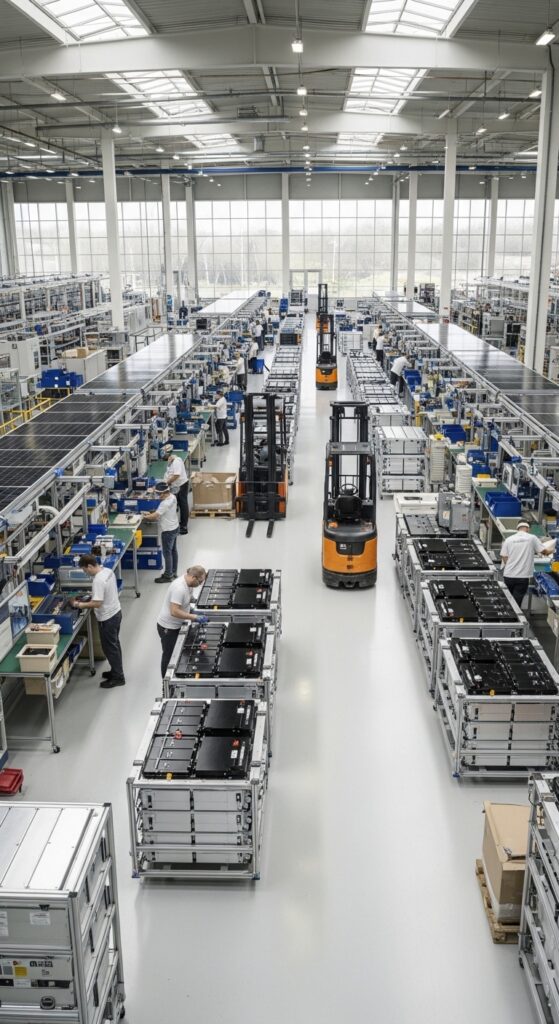
The clean technology boom is also a manufacturing race. China dominates many parts of solar, battery and electric-vehicle supply chains. Europe and the United States are trying to build domestic capacity through subsidies, tariffs and industrial policy. Developing countries want to capture more value from minerals and manufacturing rather than remain raw-material suppliers.
Supply chains remain a challenge. Clean technologies require lithium, copper, nickel, graphite, rare earths and other materials. Mining and processing can create environmental damage and labor concerns if poorly managed. A cleaner energy system must avoid building new forms of exploitation.
Grids are becoming the bottleneck. Renewable power projects can be built faster than transmission lines in many countries. Permitting delays, aging infrastructure and local opposition can slow clean energy deployment. A solar farm is useful only if electricity can reach consumers.
Artificial intelligence may help optimize electricity systems, forecast demand and improve maintenance. But AI also increases electricity demand through data centers. The relationship between digital technology and clean energy will be one of the defining infrastructure questions of the next decade.
Consumers will judge clean technology by cost and reliability. Climate benefits matter, but households also want lower bills, dependable power and affordable vehicles. If clean technology is seen as expensive or unreliable, political support can weaken. If it is cheaper and practical, adoption can accelerate.
The transition will not be smooth. Fossil fuels remain deeply embedded in transport, industry and heating. Workers and regions dependent on coal, oil and gas need credible alternatives. A clean technology race that ignores social consequences could create backlash.
Still, the direction is clear. Clean technology is becoming a foundation of future economic power. The countries that build, deploy and govern it well will shape not only the climate transition, but the next era of industry.”””
