
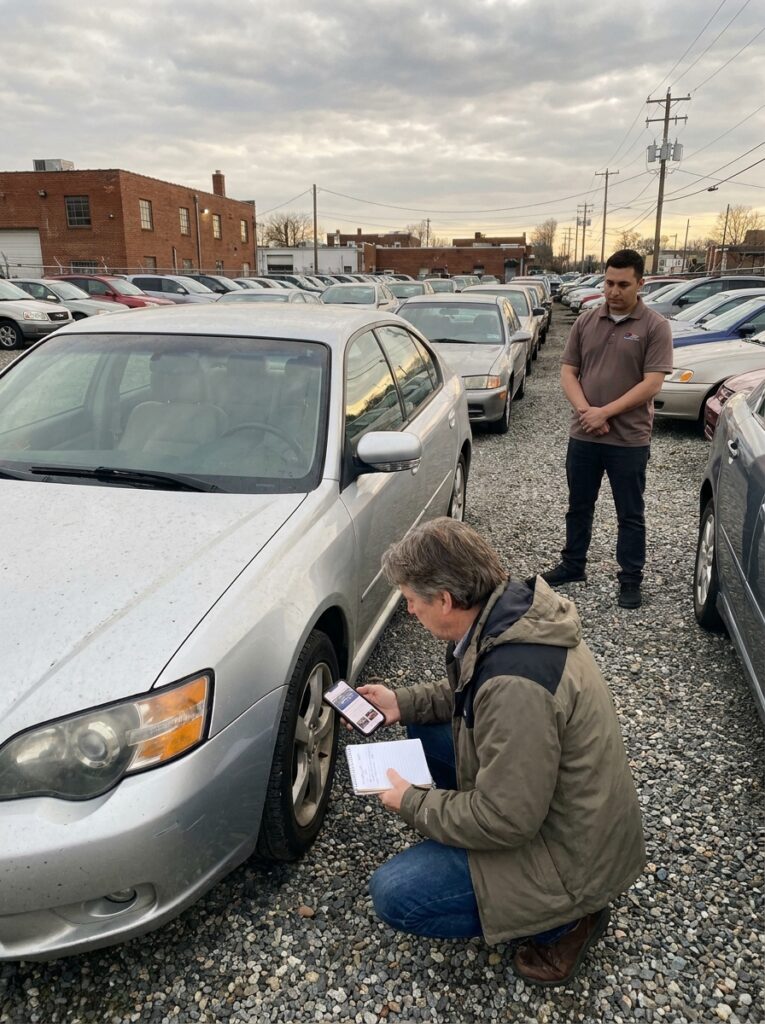
In a market where polished appearances can hide costly problems, buyers who prepare carefully, inspect patiently and negotiate with evidence are far less likely to make an expensive mistake.
Buying a used car can be one of the smartest financial decisions a driver makes. It can also become one of the most regrettable. A vehicle that looks clean, starts quickly and comes with a confident sales pitch may still carry hidden accident damage, overdue maintenance, unpaid loans, odometer concerns or mechanical faults waiting to become expensive repairs. For buyers trying to avoid being overcharged, the real protection begins before they ever stand in front of the car.
The first rule is to know the market before meeting a seller. Many buyers lose money because they begin with emotion rather than information. They see a color they like, a low mileage number or a “limited-time” price and rush to decide. A careful buyer studies similar vehicles first: same model, same year, similar mileage, comparable engine, transmission, trim level and condition. The goal is not to find one perfect price but to understand the realistic range. When a seller asks well above that range, the buyer can recognize it immediately.
Mileage matters, but it should never be judged alone. A car with low mileage may have spent years in heavy city traffic, short trips or poor maintenance. A higher-mileage car with consistent service records and mostly highway use may be a better purchase. Buyers should look at the whole story: age, ownership history, service records, accident history, tire condition, interior wear and how the vehicle feels on the road. A single number on the dashboard is not enough to determine value.
The second rule is to decide the budget before shopping. A used car’s purchase price is only part of the total cost. Taxes, registration, insurance, immediate maintenance, tire replacement, fluid changes and possible repairs can add significant expenses after the sale. A buyer who spends every available dollar on the car itself may be unable to handle the first problem that appears. A wiser approach is to reserve money for post-purchase maintenance, especially when buying a vehicle more than five years old.
The third rule is to avoid rushing. Sellers often create pressure by saying another buyer is coming, the price is available only today or the vehicle will be gone by evening. Sometimes that is true. Often it is simply a tactic. A good used car should be evaluated with a clear mind. A buyer who feels pressured should step back. Missing one car is usually less costly than buying the wrong one.
Before viewing the car, buyers should ask direct questions. Why is the vehicle being sold? How long has the seller owned it? Has it been in an accident? Are there service records? Are there any current mechanical or electrical issues? Is the title clear? Has the car ever been used for rental, ride-hailing, delivery or commercial work? The answers matter, but the way the seller responds also matters. Hesitation, vague explanations or resistance to inspection can be warning signs.
Documents are as important as the vehicle itself. A clean registration history, matching identification numbers and consistent ownership records reduce risk. Buyers should verify that the vehicle identification number on the documents matches the number on the car. The VIN can usually be found on the dashboard near the windshield, inside the driver-side door frame and sometimes in the engine bay. Any sign of tampering, missing plates or mismatched numbers should be treated seriously.
Service history is one of the strongest indicators of how a car has been treated. Receipts for oil changes, brake work, tires, battery replacement, transmission service and major repairs help confirm that maintenance was not neglected. A seller who claims the car was “always serviced” but has no records may still be honest, but the buyer should price that uncertainty into the negotiation. Lack of evidence increases risk.
A visual inspection should begin before the engine is started. The buyer should walk around the car slowly in daylight, preferably when the vehicle is clean and dry. Uneven paint, mismatched body panels, overspray near rubber seals, large panel gaps or doors that do not close smoothly may suggest previous accident repairs. Rust around wheel arches, under doors, beneath the car or near suspension points can be costly to repair and may affect safety.
Tires can reveal more than many sellers expect. Uneven tire wear may indicate poor alignment, worn suspension parts or previous impact damage. A car wearing four different tire brands may suggest budget maintenance. New tires can be a positive sign, but they can also hide previous uneven wear. Buyers should ask why they were replaced and inspect the alignment of the vehicle during the test drive.
The interior also tells a story. Excessive wear on the steering wheel, pedals, gear selector or driver’s seat may not match a low mileage reading. Water stains, a musty smell or damp carpets may suggest leaks or flood exposure. Electronics should be checked carefully: windows, mirrors, lights, air conditioning, infotainment system, parking sensors, cameras, seat adjustments and dashboard warning lights. Electrical repairs can be difficult and expensive.
Under the hood, buyers do not need to be expert mechanics to spot obvious concerns. Oil leaks, cracked hoses, corrosion, loose wiring, low fluid levels or signs of poor repair work are all reasons to be cautious. Engine oil that is extremely dirty, coolant that appears rusty or transmission fluid that smells burnt may suggest neglect. A clean engine bay is pleasant, but an engine that has been freshly washed can also hide leaks. Buyers should look again after the test drive.
The test drive is essential and should not be limited to a short trip around the block. The car should be driven at low speed, moderate speed and, where legal and safe, highway speed. The buyer should listen for knocking, grinding, whining or rattling. The steering should feel stable. The car should track straight without pulling. Braking should be smooth, without vibration or loud noise. Gear changes should be clean. The engine temperature should remain steady. Any warning light should be investigated before purchase.
A cold start can reveal problems that disappear once the engine is warm. Buyers should ask that the car not be warmed up before arrival. Smoke from the exhaust, rough idling, delayed starting or unusual engine noise during a cold start may indicate mechanical issues. A seller who insists the car must be started before the buyer arrives may deserve extra scrutiny.
One of the best investments in the buying process is an independent pre-purchase inspection. A qualified mechanic can lift the vehicle, inspect the suspension, brakes, underbody, leaks, frame condition and diagnostic codes. This inspection costs money, but it can save far more by revealing problems before payment. If a seller refuses a reasonable independent inspection, the buyer should consider walking away.
Buyers should be especially careful with cars priced far below the market. A bargain may be genuine, but it may also hide accident history, title problems, major mechanical faults or urgent personal circumstances being used to rush the sale. A very cheap car is not automatically a good deal. The real question is why it is cheap and what it will cost to make reliable.
Negotiation should be based on facts, not embarrassment or aggression. A buyer who has researched market prices, inspected the vehicle and identified needed repairs can negotiate calmly. Instead of saying the car is “too expensive,” the buyer can point to worn tires, overdue service, body damage or comparable listings. Evidence makes the offer stronger. Emotion makes the buyer weaker.
It is also important to separate appearance from value. A freshly detailed car, shiny paint and clean seats can create confidence, but they do not guarantee mechanical health. Sellers know that first impressions influence buyers. A careful buyer appreciates cleanliness but continues checking the fundamentals: documents, service history, structural condition, engine, transmission, brakes, tires and electronics.
Payment should be handled safely and only after documents are verified. Buyers should avoid transferring money before seeing the car, confirming ownership and agreeing on proper paperwork. If a deposit is necessary, it should be small, documented and clearly tied to written terms. Full payment should not be made until the buyer is satisfied that the seller has the legal right to sell and that all required documents are ready.
For many buyers, the hardest part is walking away. After spending hours searching, traveling and negotiating, it can feel painful to leave without a car. But walking away is one of the most powerful tools a buyer has. There will always be another vehicle. There may not be another chance to recover money lost on a bad purchase.
The smartest used-car buyers are not necessarily experts. They are disciplined. They research prices, inspect in daylight, ask direct questions, check documents, test drive carefully and pay for professional inspection when needed. They do not fall in love with the first attractive car, and they do not let pressure replace judgment. In the used-car market, avoiding an overpriced or problematic vehicle is not luck. It is the result of patience, preparation and the willingness to say no.”””
