
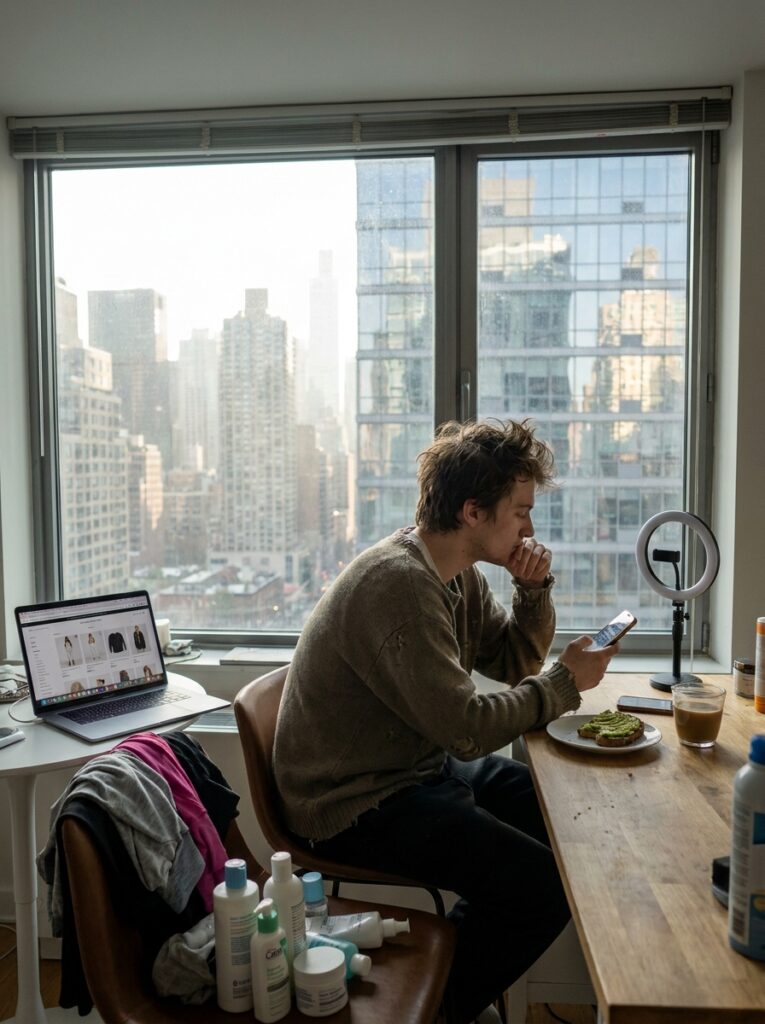
From shopping and beauty standards to work, friendship, travel and mental health, social media has become one of the most powerful forces shaping how people live.
Social media began as a tool for connection. It allowed friends to share photographs, families to stay in touch across distance and communities to gather around common interests. Two decades later, it has become something larger and more complex: a lifestyle engine. It influences what people buy, how they dress, where they travel, what they eat, how they exercise, how they decorate their homes, how they measure success and how they understand themselves. The smartphone screen has become a mirror, a marketplace, a classroom, a stage and sometimes a source of pressure.
The most visible impact is on consumption. Social platforms have shortened the distance between desire and purchase. A user can see a creator recommend a skincare product, watch a short video of a new kitchen gadget, read comments from other buyers and complete an order within minutes. Traditional advertising once depended on carefully planned campaigns. Social media advertising is faster, more personal and often disguised as ordinary life. The result is a culture where shopping can feel less like a decision and more like a reflex.
Influencers have become central figures in this new consumer landscape. They sell not only products, but lifestyles. A fitness creator may promote supplements, clothing and morning routines. A travel creator may turn a hidden beach into a crowded destination. A home-design account may persuade viewers that a simple apartment needs a new aesthetic. Some influencers provide useful information and honest reviews. Others blur the line between authenticity and marketing. For audiences, the challenge is learning to distinguish genuine experience from paid persuasion.
Social media has also changed beauty and body image. Filters, editing tools and algorithmic feeds expose users to polished faces, idealized bodies and carefully arranged lives. Even when people understand that images are curated, repeated exposure can still influence what they consider normal. Beauty trends now travel globally within hours, from makeup techniques to hairstyles, cosmetic procedures and fitness routines. This can create creativity and self-expression, but it can also intensify comparison, dissatisfaction and the feeling that the body is a permanent project.
Food culture has been transformed in similar ways. Restaurants design dishes and interiors with photographs in mind. Home cooks learn recipes through short videos rather than cookbooks. Viral foods can create sudden demand for ingredients, cafés and regional dishes. Social media has helped preserve and spread culinary traditions, but it has also encouraged performance around eating. Meals are not only consumed; they are documented. For some users, the question is no longer simply whether food tastes good, but whether it is shareable.
Travel is another area where social media has reshaped lifestyle. Platforms allow people to discover destinations, compare experiences and plan trips with visual detail that older guidebooks could not provide. Small businesses and local communities can benefit when visitors discover them online. But viral travel can also bring overcrowding, rising prices and environmental stress to fragile locations. The pursuit of the perfect photograph can sometimes replace the experience of being present. A destination becomes not only a place to visit, but a backdrop for identity.
The influence extends into work and ambition. Social media has created new careers for creators, livestreamers, marketers, educators, sellers and independent experts. It has allowed small businesses to reach customers without traditional media budgets. A craft seller, personal trainer, musician or journalist can build an audience directly. This has opened real opportunity, especially for people outside major economic centers. But it has also created pressure to be constantly visible, constantly productive and constantly personal. In the platform economy, the self can become a brand.
Daily routines have also changed. Many people begin and end the day with a phone. Morning habits, workouts, productivity systems, reading lists and evening rituals are now shaped by online trends. Social media can motivate healthier behavior when users find supportive communities, exercise guidance or mental health resources. It can also produce unrealistic standards of discipline and success. A carefully filmed five-minute morning routine may hide wealth, editing, domestic help or hours of preparation. Viewers may compare their ordinary lives to someone else’s performance of order.
Friendship and social life have become more visible and more measurable. Birthdays, relationships, parties and achievements are often announced online. This can strengthen connection across distance, but it can also create a quiet fear of exclusion. Seeing others gather without you, succeed before you or appear happier than you can affect self-worth. Social media turns private social comparison into a daily habit. It gives people more information about others’ lives than previous generations ever had, but not always more understanding.
The home has also become part of the social media lifestyle. Interior design trends spread rapidly, from minimalist apartments to maximalist rooms, smart-home devices, organized pantries and seasonal decoration. These trends can inspire people to create more comfortable spaces. They can also turn the home into another site of comparison and consumption. A room once judged by whether it served a family well may now be judged by whether it resembles an online aesthetic. The pressure to make life look beautiful can become another form of labor.
Social media’s effect on lifestyle is not only external. It influences attention. Short videos, notifications and endless feeds train users to move quickly from one stimulus to another. This can make waiting, reading, resting or doing one thing at a time feel more difficult. The modern lifestyle increasingly includes divided attention: eating while scrolling, studying while checking messages, watching television while reading comments, spending time with friends while photographing the moment. Convenience has increased, but so has mental noise.
There are also positive lifestyle changes that should not be overlooked. Social media has helped people find communities around chronic illness, disability, parenting, grief, hobbies, activism and identity. It has spread public health messages, educational content, financial literacy, language learning and creative skills. For people who feel isolated offline, online communities can be meaningful. Social media can expose users to different cultures, careers and ideas. It can make life feel larger than one’s immediate surroundings.
The problem is that the benefits and harms often arrive together. A fitness community can encourage health or promote obsession. A fashion platform can inspire creativity or fuel wasteful consumption. A parenting group can offer support or spread anxiety. A financial influencer can teach budgeting or push risky speculation. The lifestyle impact depends on platform design, user vulnerability, content quality and the social environment around the user. Social media is not a single influence; it is an ecosystem.
Generational differences matter. Young people who grow up online may experience digital identity as inseparable from everyday life. Older users may treat platforms more as tools for communication, news or entertainment. But all age groups are affected by algorithmic culture. Recommendations decide what appears repeatedly, and repetition shapes desire. People may think they are choosing freely while platforms quietly learn which images, emotions and products keep them engaged.
The most important response is not total rejection, but conscious use. Users can ask simple questions: Does this account improve my life or make me feel inadequate? Am I buying something because I need it or because it was presented beautifully? Am I sharing a moment to connect or to prove something? Is my phone helping me live, or is it organizing my life around performance? These questions do not require abandoning social media. They require taking back judgment.
Families, schools, employers and governments also have roles. Digital literacy should include advertising awareness, privacy, body image, misinformation and mental health. Platforms should be more transparent about recommendation systems and paid promotion. Regulators should examine harmful design, data use and protections for minors. Employers should recognize that constant online availability can blur work and personal life. A healthier digital culture cannot depend only on individual self-control against systems built to capture attention.
Social media has become one of the defining lifestyle forces of the modern era because it operates at the level of habit. It shapes the small decisions that become daily life: what to wear, eat, watch, buy, believe and admire. It can connect, educate and inspire. It can also pressure, distract and distort. The future of lifestyle in the social media age will depend on whether people and societies can use these platforms as tools rather than allowing them to become invisible architects of desire.
“””
