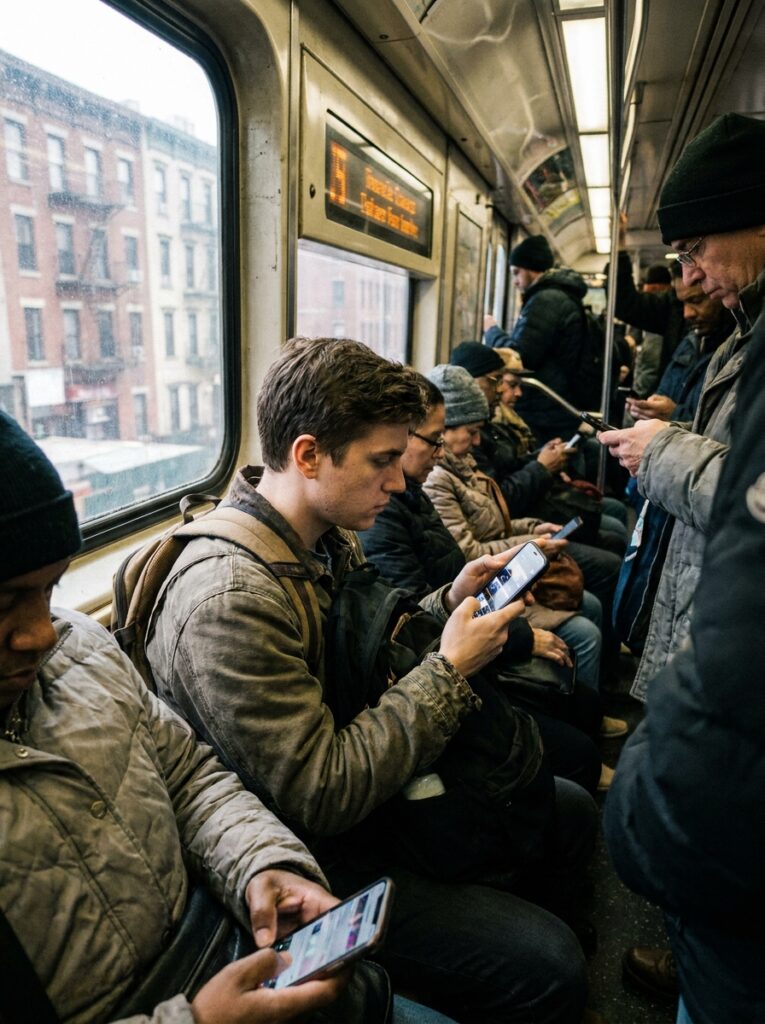
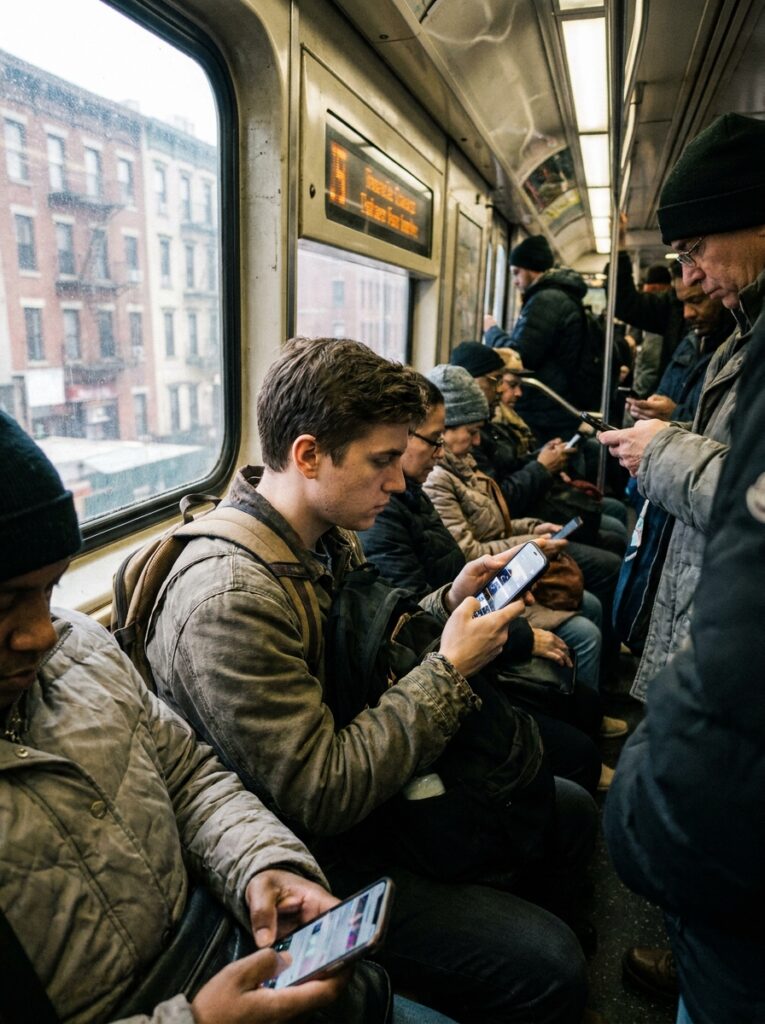
Facebook, TikTok, X and YouTube are no longer just entertainment platforms; for many audiences, they are faster, more personal and more convenient than traditional newspapers and television news.
For much of the last century, daily news had a familiar rhythm. People read a newspaper in the morning, listened to radio bulletins on the way to work, watched television news in the evening or visited a trusted news website to follow breaking events. That structure has not disappeared, but it has been deeply disrupted. Today, millions of people first encounter news not through a front page or a scheduled broadcast, but through a social media feed.
Facebook, TikTok, X and YouTube have become central to how many people learn about politics, disasters, entertainment, crime, war, weather, sports and local events. News appears between family photos, influencer videos, comedy clips, livestreams, advertisements and personal opinions. The result is a daily information environment that feels immediate, emotional and continuous.
The appeal is easy to understand. Social media is already where many people spend time. Instead of opening a separate newspaper app or waiting for a news bulletin, users encounter updates while scrolling. A headline, a short video, a live post or a clip from a longer interview can reach them without effort. News becomes part of the ordinary flow of digital life.
Speed is one of the main reasons people choose social platforms over traditional media. When something happens, witnesses may post images or videos within seconds. Journalists, officials, activists, emergency services and ordinary citizens can all publish updates before a traditional report is edited and released. During breaking news, that speed can make social media feel more alive than newspapers or television.
But speed is not the only factor. Social media also offers a sense of personalization. Algorithms learn what users watch, like, share and comment on. A person interested in politics may see political clips. Someone who follows finance may receive market updates. A sports fan may see transfer rumors, match highlights and athlete reactions. Traditional newspapers present a package chosen by editors; social platforms present a feed shaped by user behavior.
This personalization can feel empowering. Users no longer depend entirely on editors to decide what matters. They can follow journalists directly, subscribe to creators, join community groups, watch independent commentators and receive news from several countries in different formats. For younger audiences especially, this feels more natural than buying a newspaper or watching a fixed television program.
Each platform serves a different role. Facebook remains important because of its scale, community groups and local networks. Many users get news through posts shared by friends, neighborhood pages, public agencies, local media and interest groups. In some communities, Facebook groups function almost like informal notice boards, carrying updates about storms, traffic, school closures, crime alerts, lost pets and local politics.
TikTok has changed the tone of news consumption. Its short videos make complex events feel easier to enter. A creator can explain an election, a court case or an economic trend in less than a minute. Visual storytelling, captions, music and direct speech create an intimate style that can be more accessible than formal articles. For young users, TikTok news often feels less distant and less institutional.
X plays a different role. It is especially influential during breaking news, politics, financial markets and public debate. Journalists, politicians, analysts, celebrities and government agencies often post there quickly. For users who want real-time reaction, X can feel like a live wire. It is not always the largest platform, but it can be disproportionately important in shaping elite conversation and media agendas.
YouTube offers depth as well as reach. It hosts news clips, documentaries, explainers, interviews, podcasts, livestreams and commentary shows. For people who prefer watching or listening rather than reading, YouTube can replace television news. It also allows creators and news organizations to build loyal audiences around personality, style and expertise. A viewer may trust a familiar host more than a formal institution.
The shift away from traditional media is also driven by cost. Much social media content appears free, supported by advertising. Many newspapers, by contrast, rely on subscriptions or paywalls. For users with limited income or little willingness to pay for news, social platforms provide an easy alternative. Even when the quality is uneven, the supply is abundant.
Trust is another major factor. Many people believe traditional news organizations are biased, distant or too closely tied to political and corporate power. Social media creators often present themselves as independent, informal and honest. They speak directly to the camera, use everyday language and acknowledge emotion. This style can make them seem more authentic, even when they lack professional reporting standards.
The rise of personality-led news reflects a broader cultural change. Audiences increasingly choose not only information, but also the person delivering it. A journalist, commentator, streamer or creator may become the filter through which followers understand the world. This can create loyalty and engagement, but it can also narrow perspective. People may follow voices that confirm what they already believe.
Convenience also favors social media. News is no longer limited to text. It comes as a 30-second video, a carousel of images, a livestream, a podcast clip, a meme, a thread, a map or a reaction video. People can consume updates while commuting, eating lunch, waiting in line or lying in bed. Traditional journalism often requires focused attention. Social media fits into fragmented time.
For busy users, this matters. A long article may feel demanding after a day of work or study. A short video summary may feel more manageable. The risk is that speed and convenience can reduce context. A short clip can explain the surface of an event but may leave out history, evidence, uncertainty or opposing views.
Social media also gives users a sense of participation. They can comment, share, challenge, joke, criticize or add personal experience. Traditional news often speaks to the audience. Social media allows the audience to speak back. This interaction can strengthen civic engagement, especially when users share local knowledge or hold officials accountable. It can also create anger, harassment and misinformation.
The greatest weakness of social media news is reliability. Platforms mix verified reporting with rumor, propaganda, satire, edited clips and fabricated content. False information can spread quickly because it is emotional, surprising or politically useful. Algorithms often reward engagement rather than accuracy. A misleading video may travel farther than a careful correction.
Traditional news organizations still have important advantages. Professional reporting involves verification, editorial review, legal responsibility and ethical standards. Good journalism does not simply repeat what is viral; it checks facts, provides context and distinguishes evidence from allegation. In crises, courts, elections and public health emergencies, this discipline remains essential.
The future is unlikely to be a simple victory for either side. Traditional media needs social platforms to reach audiences, while social platforms depend partly on journalists to produce original reporting. Many people now use both: social media for discovery and speed, traditional outlets for confirmation and depth. The healthiest news habit may be a combination of immediacy and verification.
The challenge for users is to become more active and skeptical consumers. A post should not be trusted only because it is popular. A video should not be accepted only because it feels sincere. Users need to check sources, compare reports, identify original evidence and understand the difference between reporting and opinion.
For news organizations, the lesson is equally clear. Audiences are not abandoning information; they are abandoning formats that feel slow, expensive, distant or difficult to access. To remain relevant, traditional media must meet people where they are while preserving the standards that make journalism valuable.
Social media has turned news into a constant stream. It has made information faster, more visual, more personal and more participatory. It has also made the public sphere noisier, more emotional and more vulnerable to manipulation. Facebook, TikTok, X and YouTube are now part of the daily news system. The question is not whether people will use them for news. The question is whether societies can learn to use them wisely.”””