
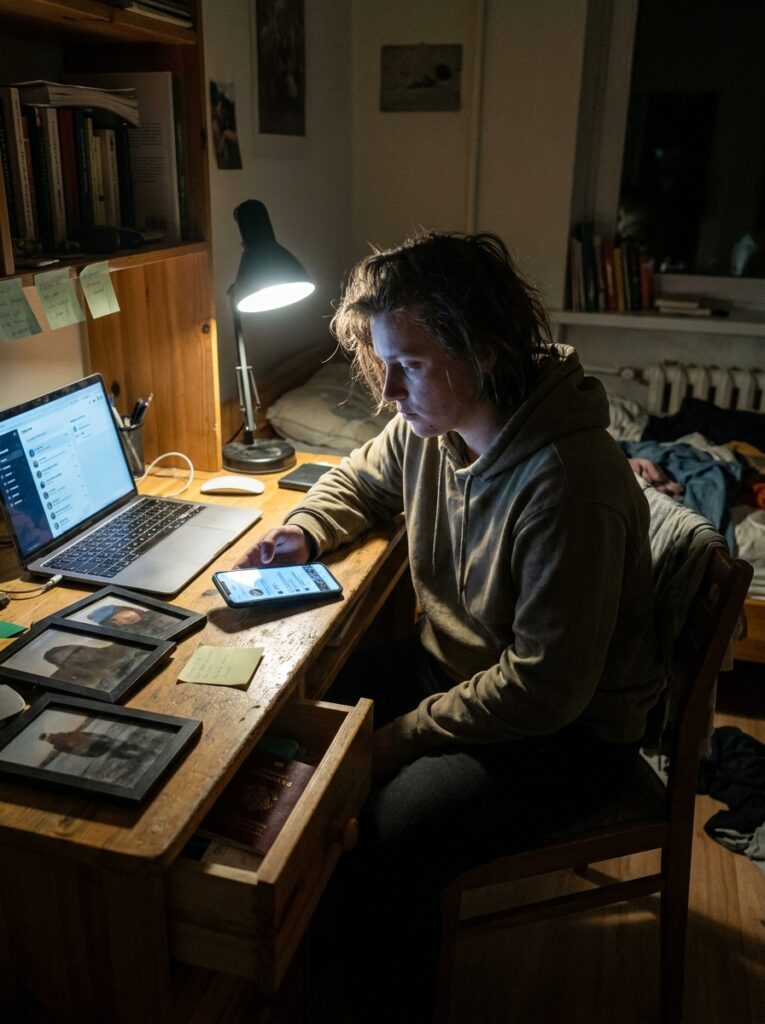
As users share more of their lives online, the boundary between connection and exposure is becoming harder to see, raising new risks of data leaks, identity theft and digital manipulation.
Social media has turned personal life into a public archive. Birthdays, family photos, school names, travel plans, workplaces, relationships, opinions, routines and even real-time locations are posted every day by people who often believe they are sharing only with friends. In reality, each post can become part of a wider data trail. That trail may be seen by platforms, advertisers, data brokers, employers, strangers, scammers or criminals. The modern privacy problem is not only that companies collect too much. It is also that users are encouraged to reveal too much about themselves.
The attraction of sharing is understandable. Social media helps people maintain friendships, celebrate milestones, build careers, promote businesses and take part in public conversations. For young people, it is also a place to express identity and belonging. A birthday post, graduation photo or travel video can feel harmless. A location tag can help friends meet. A personal story can create support. Privacy risks often appear distant because the reward of sharing is immediate: attention, connection and affirmation.
But personal information becomes powerful when it is combined. A single photo may reveal little. A series of posts can reveal where a person lives, where they study, who their family members are, when they are away from home, what devices they use and what they care about emotionally. Scammers do not always need to hack a database. Sometimes they can build a profile from information that users have already made public.
Oversharing can expose people to identity theft. Dates of birth, addresses, phone numbers, family names, school histories and old photographs may help criminals answer security questions, impersonate victims or target them with convincing phishing messages. A scam email that includes personal details is more believable than a generic message. A fake message that appears to know a person’s workplace, recent trip or relatives can pressure the target into clicking a link or sending money.
Location sharing is especially risky. Posting a live location from a café, airport, concert or vacation destination can tell others where a person is and, just as importantly, where they are not. For public figures, activists, journalists or people escaping abuse, location exposure can become a safety threat. For ordinary users, it can still create risks of stalking, burglary or harassment. The safest rule is simple: share location after leaving, not while still there.
Children’s privacy is another growing concern. Parents often post photos, school information and personal stories about their children before those children are old enough to understand or consent. This practice, sometimes called “sharenting,” can create a permanent digital footprint before a young person has any control over it. A funny childhood photo may seem innocent today, but it may embarrass the child later or be misused by strangers. Family sharing should be guided by dignity, consent and restraint.
Data leaks make the problem larger. Even users who are careful can be affected when companies, schools, hospitals, retailers or apps fail to protect information. A platform may collect email addresses, phone numbers, private messages, device data, contact lists and location histories. If that information is stolen or exposed, users may face spam, fraud or identity theft long after the original breach. The risk is not limited to what users post publicly. It also includes what companies store quietly.
The business model of many social platforms depends on data. Personal information helps platforms recommend content, target advertising and measure behavior. Users may think they are using a free service, but their attention and data are valuable. Every like, follow, search, pause, comment and share can help build a profile. That profile may predict political interests, shopping habits, emotional states, health concerns or social networks. Privacy in this environment is not only about secrets. It is about power.
Many users underestimate app permissions. A simple photo-editing app, game or quiz may request access to contacts, location, camera, microphone or storage. Some permissions are necessary. Others are excessive. Once data is collected, users may not know how long it is stored, whether it is shared with third parties or how securely it is protected. Reading privacy policies can be difficult, but checking permissions is a basic form of self-defense.
Young people face particular pressure because online identity is tied closely to social life. Not posting can feel like disappearing. Not sharing a moment may feel like missing out. Platforms encourage constant visibility, and peer culture can reward openness. Yet teenagers and students may not fully understand how long digital information lasts. A post made casually at 16 can be found by strangers, future employers or hostile accounts years later.
The risks extend beyond financial crime. Personal information can be used for harassment, doxxing, blackmail, deepfake creation and social manipulation. Photos can be copied. Screenshots can be shared without consent. Private messages can be weaponized after a friendship or relationship breaks down. Artificial intelligence tools now make it easier to create fake images, synthetic voices and convincing impersonations. The more personal data available online, the easier those attacks become.
Privacy protection begins with a change in mindset. Users should treat personal information as valuable, not ordinary. Before posting, they can ask: Does this reveal where I live, study or work? Does it identify a child? Does it show my location in real time? Could this help someone impersonate me? Would I be comfortable if this post were seen outside my intended audience? These questions do not require fear. They require judgment.
Practical steps matter. Users should review privacy settings, limit who can see posts, turn off unnecessary location sharing, remove old public information and avoid accepting friend requests from people they do not know. They should use strong, unique passwords and enable multi-factor authentication. They should be cautious with quizzes, suspicious links and messages asking for personal information. They should also regularly check which apps have access to their accounts and revoke permissions that are no longer needed.
Platforms must also take responsibility. Privacy should not depend only on users navigating complicated settings. Companies should minimize data collection, make settings clear, protect minors, limit unnecessary tracking and respond quickly to breaches. They should explain what data is collected, how it is used and who receives it. A design that pushes users to share more while hiding privacy controls is not neutral. It is a choice that shifts risk onto the public.
Governments and regulators have a role in setting boundaries. Data protection laws, breach notification rules, children’s privacy protections and limits on data brokerage can reduce harm. But regulation must keep pace with technology. Social media platforms, AI tools and advertising systems evolve faster than many legal frameworks. Without strong enforcement, privacy promises can become marketing language rather than real protection.
Schools and families should treat privacy as a life skill. Digital literacy should include not only how to find information, but how to protect identity, recognize scams and understand data trails. Young people should learn that online sharing has consequences, but they should not be shamed for participating in digital life. The goal is not silence. It is informed control.
Social media will remain part of modern communication. People will continue to post, comment, celebrate and connect. The question is whether they can do so without surrendering too much of themselves. Privacy is not the enemy of connection. It is what allows people to connect safely, with boundaries and dignity.
The lesson of the social media age is clear: personal information travels farther than users expect and lasts longer than they remember. A safer digital life begins with restraint, stronger settings and a healthier understanding of what sharing really means. In a world built to turn personal life into data, privacy has become an act of self-protection.
“””
