
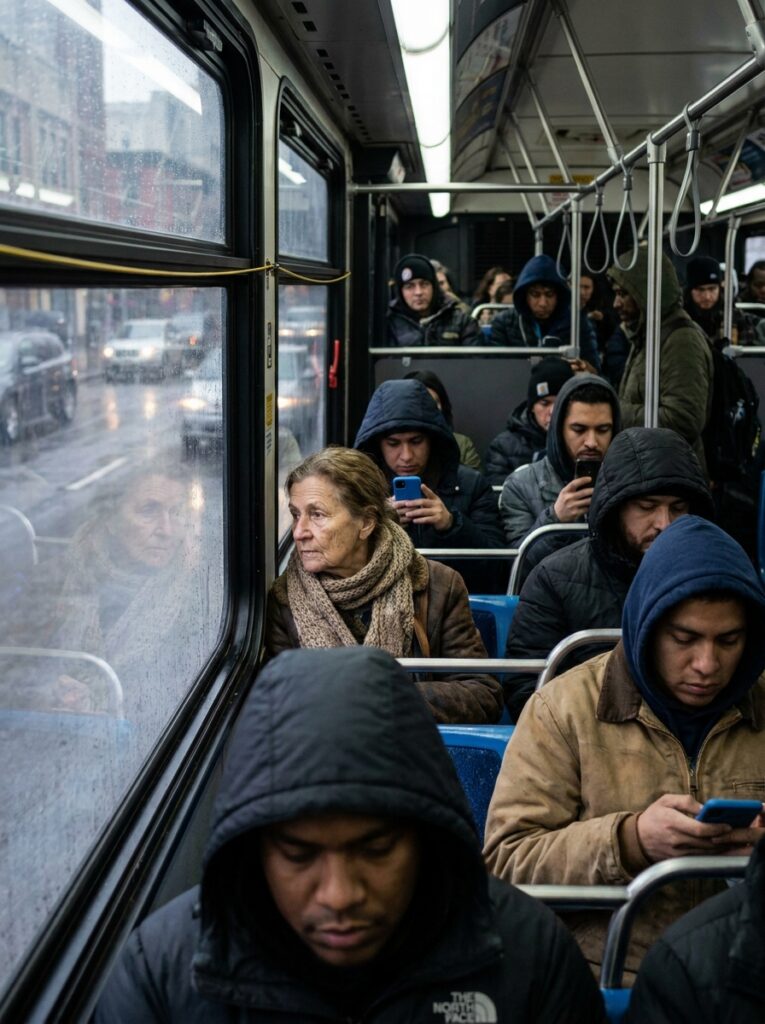
As phones become tools for communication, learning, work and entertainment, societies are confronting a harder question: when does connection begin to control the people it was meant to serve?
The smartphone is one of the most powerful objects ever placed in ordinary hands. It is a telephone, camera, map, classroom, bank, television, newspaper, music player, health tracker, office and social space compressed into a device small enough to fit in a pocket. For billions of people, it has made daily life faster, safer and more convenient. It connects migrant workers with families, students with lessons, patients with doctors and small businesses with customers. Few modern inventions have changed human behavior so quickly.
Yet the same device that helps people navigate the world can also pull them away from it. In homes, schools, restaurants, buses, offices and bedrooms, people increasingly reach for their phones without thinking. A vibration interrupts conversation. A notification breaks concentration. A short video becomes an hour. A family meal becomes a table of lowered heads. The question is no longer whether smartphones are useful. They clearly are. The question is whether many people are still using them freely, or whether they have become dependent on them.
The strength of the smartphone lies in its convenience. It reduces distance and delay. A parent can check on a child after school. A student can search for an explanation in seconds. A worker can send documents from a bus. A traveler can find directions in an unfamiliar city. During emergencies, phones can save lives by delivering warnings, contacting help or sharing location. For people with disabilities, translation needs or limited access to services, smartphones can provide tools that were once expensive or unavailable.
In education, phones can open doors. Students can watch lectures, use dictionaries, scan documents, join online classes, read digital books and collaborate with classmates. In rural or low-income communities, a smartphone may be the only realistic gateway to the internet. For self-motivated learners, it can become a portable library. The device itself is not the enemy of learning. Used with purpose, it can expand opportunity.
But learning also requires attention, and attention is where the conflict begins. A smartphone in the classroom is rarely just a calculator or a dictionary. It is also a gaming device, messaging platform, shopping mall and entertainment feed. The same screen that displays a lesson can deliver a joke, rumor, video or argument. Teachers in many countries now describe phones as a major source of distraction, and governments are increasingly debating restrictions in schools. The issue is not nostalgia for a pre-digital era. It is the practical reality that deep learning is difficult when concentration is constantly interrupted.
Communication has also been transformed. Smartphones allow friendships and families to survive distance. Video calls can soften migration, separation and loneliness. Messaging apps help people organize work, celebrations, medical appointments and community support. Social platforms give ordinary people a voice, allowing them to share art, opinions and personal stories. For many young people, online contact is not separate from real friendship. It is part of friendship.
Still, digital connection can weaken face-to-face presence. Conversations become fragmented when people half-listen while checking screens. Friends sit together but communicate with others elsewhere. Couples argue over attention. Children compete with devices for eye contact. The phone does not eliminate human connection, but it can thin it out. It creates the feeling of being available to everyone while being fully present with no one.
The emotional impact is complex. Smartphones can reduce loneliness by helping people stay in touch, find communities and access mental health information. They can also intensify anxiety through comparison, online drama, cyberbullying and the pressure to respond immediately. Social media rewards visibility, but visibility can become exhausting. A person may feel ignored when a message is unanswered, insecure when a post receives little reaction or inadequate when comparing ordinary life with curated images of others.
Sleep is one of the clearest areas of concern. Many people take their phones to bed, planning to check one message or watch one short clip. The device then delays rest through scrolling, gaming, chatting or news alerts. Poor sleep affects mood, memory, concentration and physical health. For students and workers, a night of interrupted sleep can become a day of lower performance. The problem is not only screen light, but stimulation: the mind remains active when it should be slowing down.
Physical health is also affected by habits built around phone use. Long periods of sitting, neck strain, eye fatigue and reduced outdoor activity are common complaints. A phone can support exercise through fitness apps and health reminders, but it can also encourage sedentary behavior when entertainment becomes endless. The body pays attention to what the mind normalizes. If hours of stillness become routine, the consequences accumulate quietly.
Dependence often appears in small signs. People check their phones immediately after waking. They feel uneasy when the battery is low. They open apps without intention. They struggle to wait in silence. They interrupt work repeatedly to look at notifications. They feel phantom vibrations. None of these behaviors automatically means addiction in a clinical sense, but they suggest that the device has moved from tool to habit, and from habit toward compulsion.
Technology companies understand attention. Many apps are designed to keep users engaged through infinite scrolling, personalized recommendations, likes, streaks and notifications. These features are not accidental. They convert human curiosity and social need into time spent on platforms. Blaming individuals alone ignores the fact that the digital environment is engineered to be difficult to leave. Personal discipline matters, but design also matters.
Families are now negotiating new rules. Some parents limit phones at meals, during homework or before bedtime. Others check children’s devices, sometimes creating conflict over privacy. Teenagers may resent restrictions but also admit that phones distract them. Adults face the same struggle, often while pretending the problem belongs only to youth. In reality, many children learn phone habits by watching parents answer messages during dinner, drive while distracted or scroll through conversations.
The workplace has its own tension. Smartphones make employees reachable, flexible and productive, but they can also extend work into every hour. Messages arrive at night, on weekends and during vacations. The boundary between job and personal life becomes weaker. Constant availability may look efficient, but it can create burnout. A healthy digital culture requires not only individual restraint but also workplace norms that respect time away from screens.
The answer is not to reject smartphones. That would be unrealistic and, for many people, harmful. The better question is how to restore control. Phones should serve human priorities: learning, safety, relationships, creativity, health and useful information. They should not quietly decide how people spend their attention, emotions and time.
Practical boundaries can help. Keeping phones away during meals, turning off unnecessary notifications, setting screen-free periods before sleep, using app limits, choosing one place for charging outside the bedroom and creating phone-free spaces in schools or meetings can reduce automatic use. These steps are simple, but their purpose is serious: to remind people that attention is a limited resource.
Education should include digital literacy, not only technical skills. Young people need to understand how algorithms work, why platforms seek engagement, how misinformation spreads and how online behavior affects mental health. They also need adults who model balanced use. A lecture about screen time is weak if delivered by someone who cannot stop checking their own phone.
Smartphones are both convenience and risk. They are tools of freedom when used with intention, and tools of dependence when used without boundaries. They connect people across distance but can separate people sitting side by side. They support learning but can destroy concentration. They provide comfort but can also deepen anxiety.
The challenge of the smartphone age is therefore not technological alone. It is cultural. Societies must decide what kind of attention they want to protect, what kind of communication they value and what kind of childhood, education, work and health they are willing to defend. The phone in the pocket is not going away. The task now is to make sure human life does not shrink to fit the screen.”””
