
Under pressure from inflation, climate anxiety and digital fatigue, a new generation is redefining consumption around quality, durability, meaning and restraint.
For much of the last two decades, youth consumption was measured by speed. Fast fashion drops, next-day delivery, limited-edition sneakers, beauty hauls and endless unboxing videos turned shopping into entertainment as much as necessity. The message was simple: buy now, buy often, keep up. In 2026, that culture has not vanished, but it is facing a powerful countercurrent. Many young consumers are still spending, but they are buying fewer things, asking harder questions and demanding more from every purchase.
The shift is not only about saving money, though money is central. Higher living costs, housing pressure, student debt and uncertain job markets have made younger shoppers more cautious. A recent PwC analysis of U.S. consumer transactions found that Gen Z spending fell sharply in early 2025, especially in categories such as apparel, accessories and electronics. McKinsey has also reported that consumers searching for value are buying smaller pack sizes or lower quantities of preferred brands. These patterns point to a larger behavioral change: restraint is becoming normal, even among consumers raised in the era of frictionless digital shopping.
But the new restraint is not the same as simple austerity. Young people are not only buying less because they have less. They are also buying differently because they know more. A generation shaped by social media, environmental debates and constant product reviews has become unusually skilled at comparison. Before buying a jacket, headphones, skincare product or kitchen appliance, many shoppers now read reviews, scan resale prices, watch long-term-use videos and check whether a brand’s claims can be verified. Impulse has not disappeared, but it is increasingly interrupted by research.
This is changing the meaning of value. For older generations, value often meant the lowest price. For many younger consumers, it now means a more complicated equation: price, quality, durability, ethics, usefulness and emotional satisfaction. A cheap item that breaks quickly can feel expensive. A more costly item that lasts for years can feel rational. A brand that looks stylish but hides poor labor practices or vague sustainability claims can lose credibility fast. A smaller purchase, chosen carefully, can carry more status than a closet full of disposable goods.
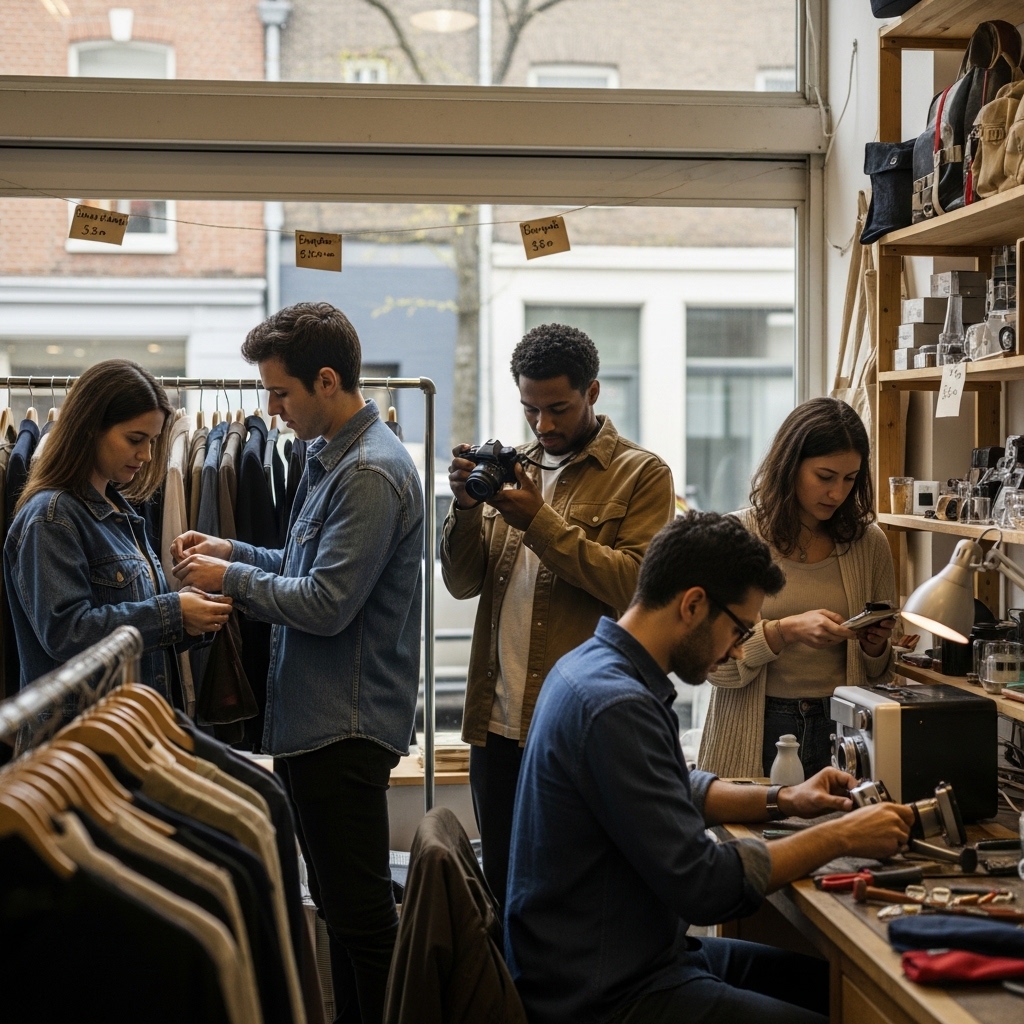
The fashion industry shows the change clearly. Fast fashion remains enormous, and low prices continue to attract shoppers under financial pressure. Yet resale, rental, repair and capsule wardrobes have moved into the mainstream conversation. Secondhand platforms have benefited from younger consumers who want lower prices, unique pieces and a reduced environmental footprint. For some, buying used is practical. For others, it is a form of identity: a rejection of sameness, waste and algorithm-driven trends.
The same logic is appearing in technology. Young consumers still want smartphones, laptops, gaming devices and wearables, but many are stretching replacement cycles, considering refurbished models and paying closer attention to battery life, repairability and software support. The annual upgrade is losing some of its cultural force. A device that works well, holds value and avoids unnecessary waste can feel smarter than the newest release. In this environment, brands that promise longevity and transparent service may gain an advantage over those that rely only on novelty.
Beauty and wellness are undergoing a similar correction. The past decade produced a flood of serums, supplements, routines and influencer-led product recommendations. Now, many younger shoppers are simplifying. Dermatologists on social platforms have helped popularize shorter skincare routines built around proven ingredients. Consumers are more skeptical of miracle claims and more alert to marketing language that sounds scientific without offering evidence. The result is not a retreat from beauty, but a move toward products that justify their place on the shelf.
Food and beverage choices also reflect the new selectiveness. Younger shoppers often scrutinize ingredient lists, protein content, sugar levels, sourcing and functional claims. They may spend more on a product they perceive as healthier or more transparent, while cutting back on snacks or drinks that feel artificial, excessive or poorly labeled. This behavior is not always consistent; convenience and price still matter. But the direction is clear: labels, origins and credibility carry more weight than they did in the old impulse economy.
Social media has helped create both the problem and the correction. Platforms such as TikTok, Instagram and YouTube accelerated consumption by turning products into viral events. A lipstick, lamp or water bottle could become a must-have within days. But the same platforms also exposed the emptiness of overconsumption. Videos of cluttered rooms, debt regret, landfill waste and “de-influencing” have pushed back against the endless shopping cycle. Young creators now gain audiences by telling followers what not to buy, which products failed after six months, and which purchases were genuinely worth the money.
The rise of “de-influencing” is especially telling. It does not necessarily reject consumption; rather, it reframes authority. Instead of aspirational influencers displaying endless new items, de-influencers build trust by warning viewers against waste, poor quality or overhyped brands. This format appeals to young consumers who feel overwhelmed by advertising disguised as authenticity. In a crowded market, skepticism has become a survival skill.
Economic pressure has made that skepticism sharper. Inflation has forced many households to prioritize essentials and delay discretionary purchases. Young adults, often earlier in their careers and less likely to own homes, feel that pressure acutely. Rent, transport, food and health costs compete with fashion, travel and technology. The result is not necessarily the death of aspiration, but the narrowing of it. Consumers still want better lives, but they are more careful about what deserves their money.
Businesses are adapting, though unevenly. Some brands are emphasizing repair services, longer warranties, refill systems and durable materials. Others are launching resale channels or certified pre-owned programs. Retailers are using loyalty data to personalize offers, while premium brands are stressing craftsmanship and long product life. At the same time, many companies still depend on high-volume, low-cost production. The tension between selling more and promoting mindful consumption is one of the defining contradictions of the new consumer market.
For brands, the lesson is becoming harder to ignore: young shoppers may buy less, but they expect more. They expect clear information, visible quality and honest pricing. They are quick to punish greenwashing, fake scarcity and vague claims. They compare products across platforms and trust peer reviews more than polished campaigns. A brand can still win their loyalty, but loyalty is no longer automatic. It must be earned through performance over time.
This creates opportunities for smaller companies as well as established names. Independent brands that offer repairable goods, transparent sourcing or highly specific design can compete against mass-market players by appealing to values as well as function. Local makers, vintage sellers and circular platforms can benefit from consumers who want distinctiveness without excess. In some categories, the story behind the product matters almost as much as the product itself.
Yet the movement should not be romanticized. Buying carefully can be a privilege. Not every young person can afford the durable version, the ethical label or the repairable device. Low-income consumers have always practiced restraint, often out of necessity rather than lifestyle choice. The new language of mindful consumption can sometimes obscure inequality by turning financial constraint into an aesthetic. A fair reading of the trend must recognize both sides: some young people are choosing less, while others are being forced into less.
There is also a risk that “conscious consumption” becomes another marketing category, encouraging people to buy products that signal restraint without actually reducing waste. A reusable bottle, minimalist wardrobe or premium notebook can still become part of a new status cycle. The deeper change will come not from replacing one shopping identity with another, but from extending product life, reducing unnecessary purchases and designing systems that make repair, resale and sharing easier.
The cultural shift is nevertheless significant. For years, consumer confidence was often expressed through abundance. More clothes, more gadgets, more deliveries and more choices signaled success. Now, among many young people, confidence is beginning to look like discernment. It is the ability to say no, to wait, to compare, to buy secondhand, to repair, to choose one good item instead of five forgettable ones.
This new consumer does not reject desire. They still care about beauty, comfort, technology, taste and identity. But they are more likely to ask whether a purchase will last, whether it fits their life, whether the company deserves their trust and whether ownership is necessary at all. In that question lies a major change for the global economy.
The future of youth consumption will not be defined by an end to shopping. It will be defined by a more demanding kind of shopping. Young people are buying fewer things, but they are assigning more meaning to each decision. For companies, that means the easy era of endless novelty is weakening. For consumers, it may mean a healthier relationship with money, objects and the planet. In a market built on more, the most radical choice may be enough.