From artificial intelligence to climate adaptation, a new set of habits is changing how people work, consume, communicate and imagine the future.
The world’s biggest changes rarely arrive as a single dramatic event. More often, they appear first as small adjustments in ordinary life: a worker asking artificial intelligence to summarize a meeting, a family changing travel plans because of extreme heat, a teenager following a creator instead of a television network, or a city resident choosing a shared service over ownership. By the time these habits become visible at scale, they have already begun to reshape economies and culture.
In 2026, four trends stand out across daily life, technology and culture. They are not separate stories. They overlap and reinforce one another: artificial intelligence is changing work and creativity; climate pressure is altering food, housing and travel; digital culture is moving from passive entertainment to participation; and consumers are rethinking value, trust and identity in a more uncertain world.
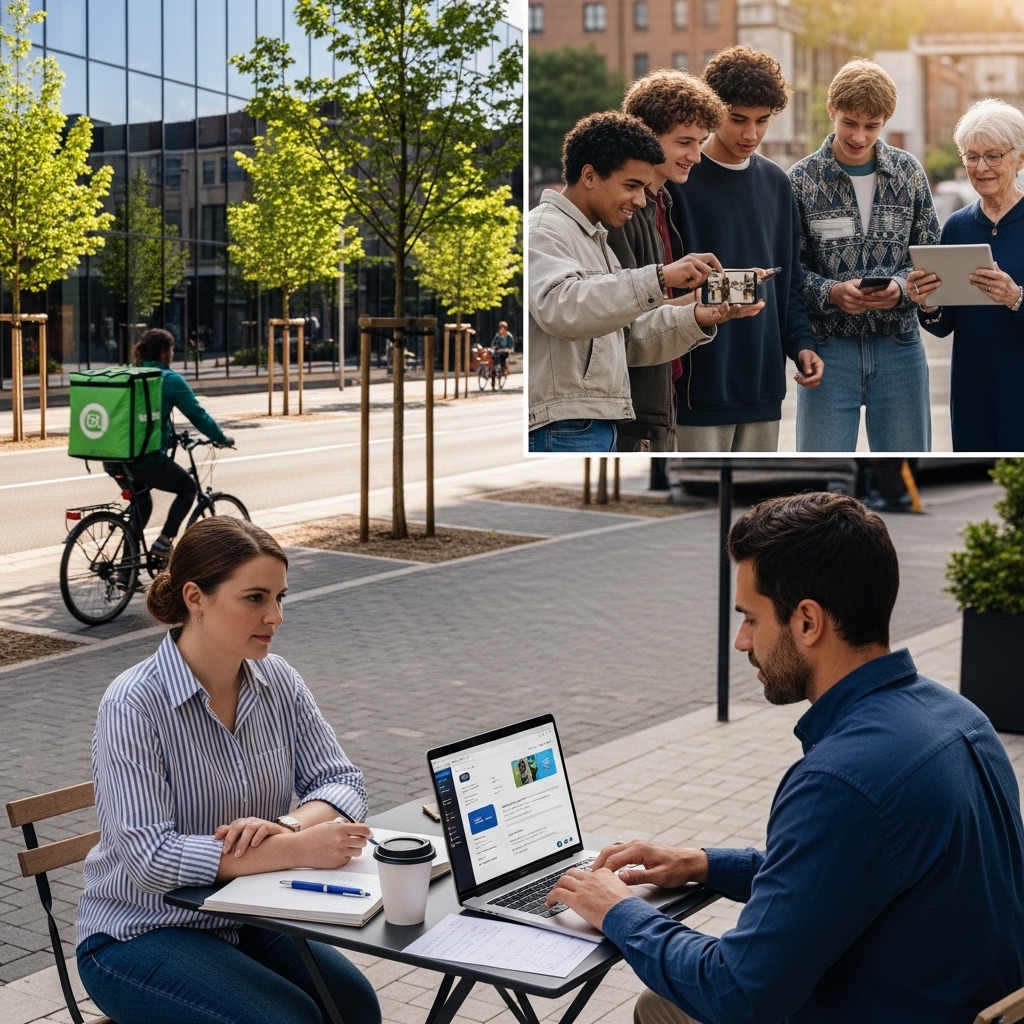
The first major trend is the normalization of artificial intelligence. Only a few years ago, generative AI was discussed largely as a novelty or a threat. Today, it is increasingly treated as a routine assistant. People use AI to draft emails, translate messages, plan meals, learn languages, create images, organize schedules, analyze documents and prepare for meetings. The technology is no longer limited to engineers or corporate strategists. It is appearing in phones, search engines, office software, classrooms, cars and health services.
This shift matters because AI is moving from a tool people deliberately open to a layer built into products they already use. A worker may not think of a grammar suggestion, a meeting summary or an automatic image edit as “using AI,” but that is exactly what is happening. The technology is becoming less visible as it becomes more common.
The promise is convenience. AI can reduce the time spent on routine tasks and lower barriers for people who lack specialized skills. A small shop owner can generate product descriptions. A student can ask for a simpler explanation of a difficult concept. A traveler can understand signs in another language. A family caregiver can organize medical questions before an appointment.
The risk is dependence without understanding. AI systems can make mistakes, invent facts and reflect biases. They can also concentrate power in a small number of companies that control models, data and distribution. The next phase of AI adoption will therefore be less about amazement and more about rules: what data can be shared, which decisions require human review, how creative work should be credited, and how societies prevent the benefits from flowing only to those with money, connectivity and technical literacy.
The second trend is climate adaptation becoming part of everyday life. For many people, climate change is no longer an abstract environmental issue. It is affecting when they travel, what they eat, how cities are designed and how governments prepare for emergencies. Heat waves, floods, droughts, wildfires and storms are increasingly shaping daily decisions.
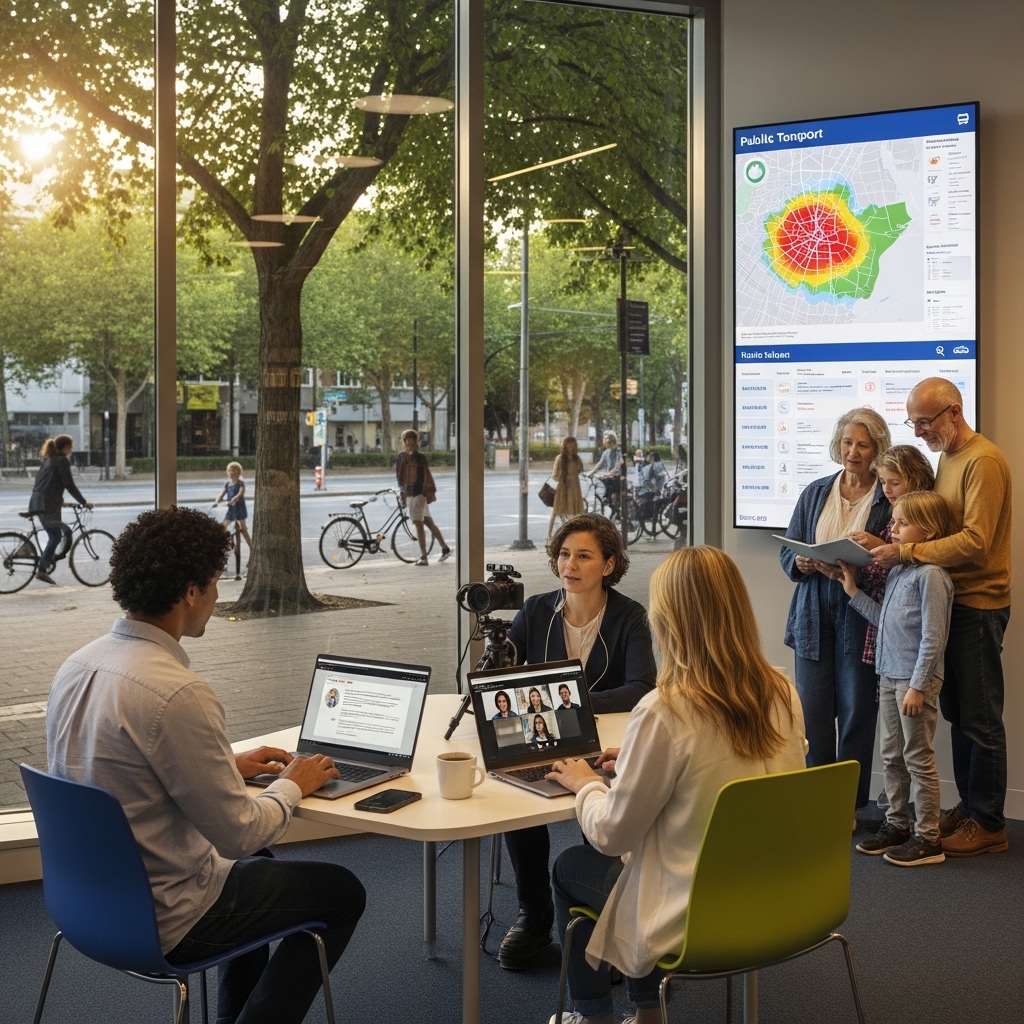
In hot cities, adaptation is becoming visible in practical ways: more shade, cooling centers, reflective roofs, tree-planting programs, water restrictions and revised work schedules for outdoor labor. In food systems, extreme heat and erratic weather are pushing farmers, companies and consumers to think differently about supply chains. A failed harvest in one region can raise prices far away. A flood can delay shipments. A heat wave can affect labor productivity, energy demand and public health all at once.
This is changing culture as well as infrastructure. The idea of a “good life” is being reconsidered in many places. More people are questioning whether constant consumption, frequent flights, large homes and disposable products are compatible with a warming planet. At the same time, climate action is no longer only about sacrifice. Cities and communities are framing adaptation as a way to improve health, reduce energy bills, create public spaces and protect vulnerable residents.
The challenge is inequality. Wealthier households can buy air conditioning, move to safer areas or pay more for resilient housing. Poorer communities often face the worst heat, weakest infrastructure and fewest choices. The politics of climate adaptation will therefore become more intense. People may support cleaner and safer cities in principle, but conflicts will grow over who pays, who moves, who gets protection first and who is left behind.
The third trend is the transformation of culture through creators, communities and algorithmic entertainment. Television, film and music still matter, but the center of gravity has shifted. Millions of people now spend more time with short videos, livestreams, podcasts, gaming communities and independent creators than with traditional media brands. Entertainment is becoming more participatory, more personalized and more fragmented.
This is not simply a change in screen size. It is a change in authority. A fashion trend may begin with a creator in Seoul, Lagos or São Paulo rather than a luxury house. A political joke may travel through memes faster than through news broadcasts. A musician can build an audience on social platforms before signing a label deal. A fan community can keep a niche series, game or artist alive long after mainstream attention has moved on.
Algorithms are the invisible editors of this cultural world. They decide what appears first, what spreads and what disappears. That gives platforms extraordinary influence over taste, attention and public debate. For users, the experience can feel empowering because they see content tailored to their interests. But it can also create narrow information environments, reward outrage and make culture feel faster, louder and more disposable.
AI is now entering this space aggressively. Creators use it to edit videos, generate captions, design thumbnails, translate content and brainstorm scripts. Brands experiment with virtual influencers and synthetic images. Audiences, however, still value authenticity. The most successful future may not be one where AI replaces human creators, but one where creators use AI behind the scenes while preserving personal voice, trust and lived experience.
The fourth trend is the search for trust and meaning in a high-speed world. After years of pandemic disruption, inflation, geopolitical tension and technological change, many people are becoming more selective about what they buy, who they listen to and how they spend time. This is visible in several areas: the growth of wellness culture, demand for transparency in brands, interest in local communities, skepticism toward institutions and the popularity of experiences over possessions.
Consumers are not only asking whether something is cheap or convenient. They are asking whether it feels real, ethical, healthy or aligned with their identity. Some people are choosing secondhand goods, repair, minimalism or local products. Others are paying for premium experiences, personal development, travel or health services. Younger consumers often expect brands to communicate values, but they are also quick to punish anything that feels performative.
This search for meaning is also affecting work. Remote and hybrid work have changed expectations about time, location and flexibility. Many employees want autonomy, but they also want belonging. Companies are trying to rebuild culture without returning entirely to old office routines. Meanwhile, AI is raising a new question: if machines can produce more routine output, what kinds of human skills become more valuable? Judgment, empathy, creativity, trust-building and leadership may become more important, not less.
The same tension appears in education. Students can now use AI to answer questions, write drafts and summarize material. Schools are being forced to decide what learning means when information is instantly generated. The answer will likely require more emphasis on critical thinking, verification, communication and problem-solving. Memorization alone is becoming less central, while the ability to ask better questions is becoming more important.
Together, these four trends point to a world that is more connected, more automated and more uncertain. They also show that technology alone does not define the future. Human behavior does. AI becomes important only when people trust it enough to use it. Climate adaptation succeeds only when communities accept changes in design, energy and consumption. Creator culture grows because audiences want connection, not just content. New consumer habits emerge because people are trying to regain control in a complex world.
The central question for the next decade is not whether these trends will continue. Most signs suggest they will. The question is whether societies can guide them in ways that are inclusive, transparent and humane. A world of smarter tools, hotter cities, faster media and more anxious consumers could become more unequal and unstable. It could also become more adaptive, creative and aware of its limits.
The outcome will depend on choices made by governments, companies, educators, communities and individuals. The trends are global, but their effects will be local: in the design of a street, the policy of a school, the habits of a household, the rules of a platform and the trust between people. That is where the future is being built — not only in laboratories and boardrooms, but in the routines of everyday life.