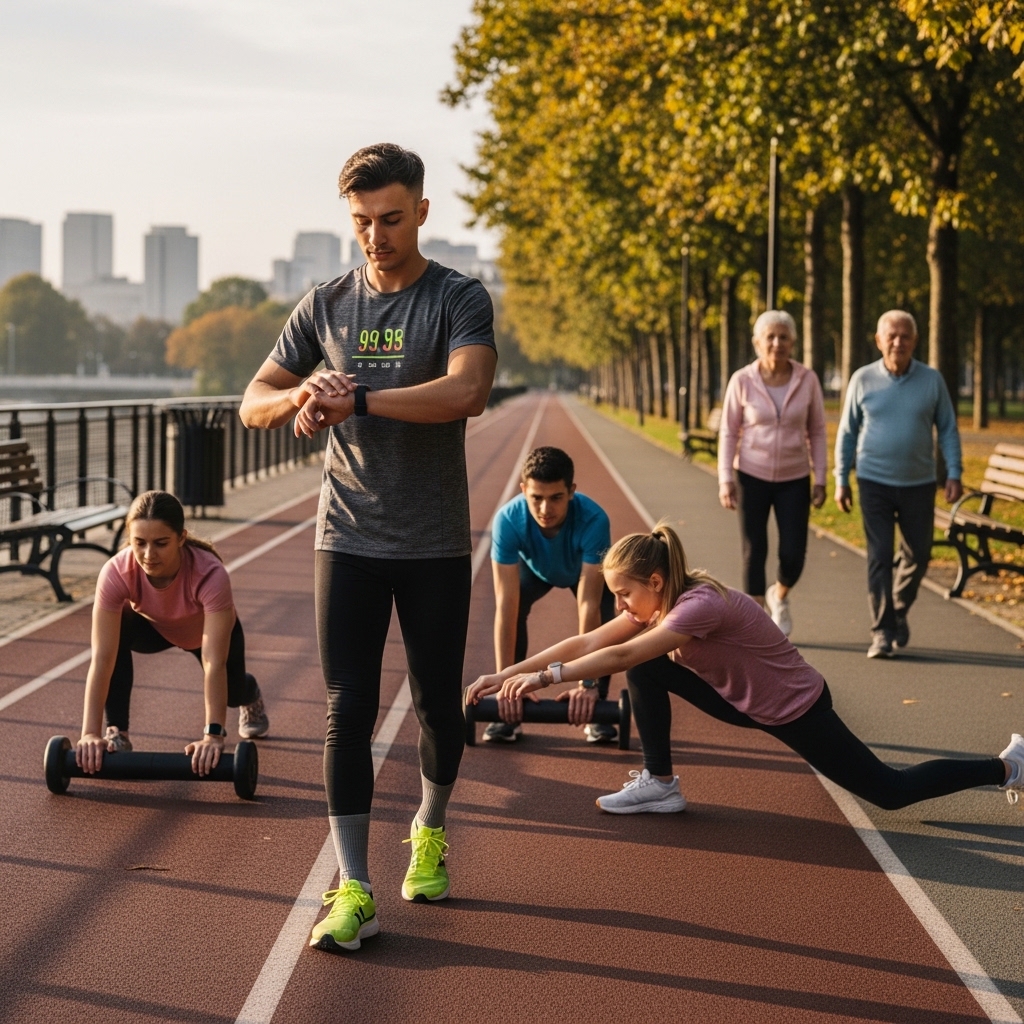
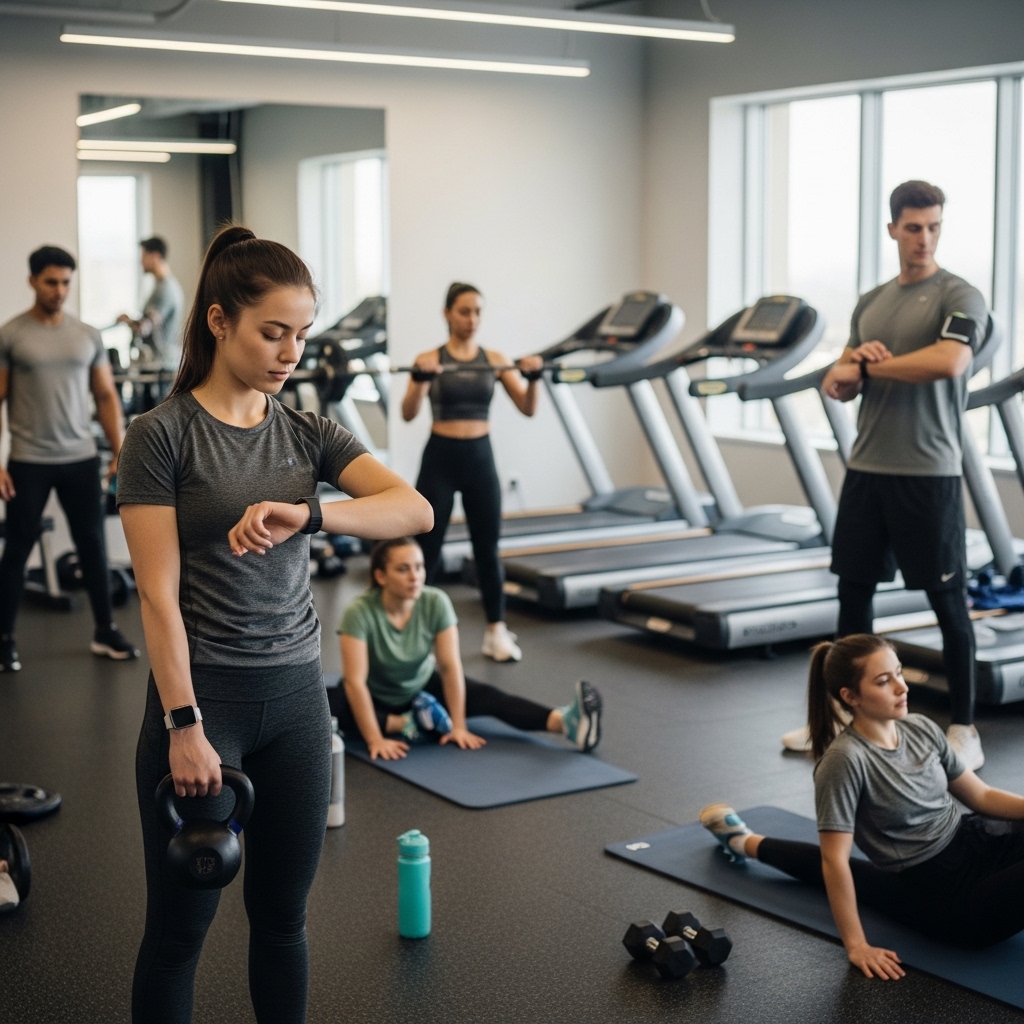
A new generation is reshaping fitness around longevity, strength, recovery and measurable health, turning gyms and apps into tools for a longer life rather than only a better body.
For decades, youth fitness was sold through the mirror. Flat stomachs, broad shoulders, low body fat and dramatic before-and-after photos defined the language of gyms, advertising and social media. In 2026, that image has not disappeared, but it is no longer enough. Across major cities, university campuses, boutique studios and home workout platforms, a growing number of young people are training with a different question in mind: not only how they will look this summer, but how well they will move, sleep, recover and age over the next 40 years.
The change is subtle but significant. Fitness culture, once dominated by aesthetics and weight loss, is increasingly borrowing the vocabulary of medicine, sports science and longevity research. Young adults talk about resting heart rate, grip strength, muscle mass, blood glucose, mobility, VO2 max, sleep scores and stress load. They still post gym videos, but the captions are different. Instead of promising a perfect body, many now describe training as a hedge against burnout, chronic disease, anxiety and early physical decline.
The American College of Sports Medicine’s 2026 fitness trends report captures part of this shift. Wearable technology ranks as the top global fitness trend, reflecting how smartwatches, rings and trackers have moved from novelty devices to everyday health dashboards. Fitness programs for older adults, exercise for weight management, mobile exercise apps, and balance, flow and core strength also appear among the leading trends. The list suggests a broader industry turn away from purely cosmetic goals toward function, prevention and long-term health.
For younger consumers, the appeal is both personal and generational. Many came of age during the pandemic, watched parents struggle with stress or illness, and entered adulthood in a period marked by economic uncertainty, climate anxiety and constant digital overload. Health has become a form of control in a world that often feels unstable. A workout is no longer only a route to confidence at the beach. It is a daily ritual for mental clarity, biological resilience and the belief that future decline can be delayed.
This does not mean vanity has vanished. Aesthetic goals still drive much of the fitness economy, from strength programs and Pilates studios to supplement brands and activewear. But the fastest-growing message is more complex: build muscle because it protects metabolism; walk because it supports cardiovascular health; lift weights because bone density matters; sleep because recovery determines adaptation; stretch and train balance because mobility is freedom. The body is still being shaped, but it is increasingly treated as infrastructure.
Strength training sits at the center of the new longevity mindset. Once associated mainly with bodybuilding or competitive athletes, resistance training has become a mainstream health practice for women and men in their 20s and 30s. Trainers say younger clients now ask about muscle preservation, hormonal health, insulin sensitivity and injury prevention. Many understand that muscle is not simply decorative tissue. It is involved in glucose regulation, functional independence and long-term physical capacity.
The World Health Organization has long recommended that adults perform regular aerobic activity and muscle-strengthening activities, but the message is now reaching younger people through more accessible channels. Short videos explain progressive overload. Podcasts interview doctors about skeletal muscle and aging. Wearables translate exertion into graphs. Fitness apps nudge users to complete weekly strength sessions, not just burn calories. What was once clinical advice has become part of youth culture.
Cardio is also being redefined. In the 1990s and 2000s, many young gym-goers treated cardio mainly as a way to lose fat. In 2026, endurance work is often discussed in terms of heart health, mitochondrial function, energy, mood and longevity. Zone 2 training, interval sessions and everyday walking have entered the mainstream. The message is not that everyone must become a marathon runner, but that cardiovascular capacity is one of the foundations of a longer and more active life.
At the same time, recovery has become a status symbol. Cold plunges, saunas, compression boots, breathwork, sleep trackers and mobility classes now occupy the space once reserved for maximum-intensity workouts. The change reflects a correction to years of hustle culture, when exhaustion was often mistaken for discipline. Many young people now see recovery as part of training rather than a break from it. Sleep quality, stress management and rest days are treated as measurable performance variables.
The wellness market has been quick to respond. Gyms are adding recovery lounges. Boutique studios combine strength, mobility and mindfulness. Apps offer personalized programs based on readiness scores. Employers promote fitness benefits as part of mental-health packages. Brands sell longevity not as a distant medical concern but as a lifestyle identity: train today so that your 60-year-old self can hike, travel, work, dance and live independently.
There is promise in this shift, but also risk. The same technologies that help young people understand their bodies can create new forms of anxiety. A low sleep score can ruin a morning before the day has begun. A skipped workout can feel like biological failure. Constant measurement can turn health into surveillance, and optimization can become another pressure in already demanding lives. Experts caution that data should guide behavior, not dominate it.
The longevity boom has also attracted products and claims that outpace evidence. Supplements, peptide clinics, extreme diets, biohacking protocols and expensive testing packages are often marketed with the language of anti-aging. Some may have legitimate uses under medical supervision, but many are sold to healthy young consumers with limited proof of long-term benefit. The danger is that a serious public-health message — move more, build strength, sleep well, eat sensibly, avoid smoking and manage stress — becomes buried under expensive promises.
Access remains another concern. A longevity lifestyle can look very different depending on income. For affluent young professionals, it may include smart rings, personal trainers, lab tests, organic meal plans and recovery studios. For others, it may mean walking to work, doing bodyweight exercises at home, cooking affordable meals and trying to sleep despite shift work or crowded housing. The core principles of long-term fitness are simple, but the commercial culture around them can make health appear more expensive than it needs to be.
The best programs in 2026 are therefore not the most extreme. They are sustainable. They combine strength, cardiovascular training, mobility, balance, adequate nutrition and recovery. They allow for busy schedules, cultural preferences and different body types. They treat consistency as more important than perfection. Most importantly, they move fitness away from punishment and toward capacity: the ability to carry groceries, climb stairs, focus at work, recover from stress, avoid injury and remain independent later in life.
This evolution is also changing the emotional meaning of exercise. Young people who once approached fitness as a battle against their bodies are increasingly learning to see it as a relationship with their future selves. The gym becomes less a place of judgment and more a place of preparation. A run becomes less about burning off a meal and more about protecting the heart. A strength session becomes less about chasing an idealized image and more about building reserves for decades ahead.
The future of fitness will not be free from contradictions. Social media will continue to reward appearance. Companies will continue to sell shortcuts. Trends will continue to rise and fade. But beneath the noise, a durable change is underway. Young people are discovering that the most valuable result of training may not be visible in a mirror at all.
In 2026, fitness is becoming a language of longevity. The new aspiration is not simply to look young, but to stay capable. Not simply to be thinner, but to be stronger. Not simply to perform for an audience, but to live with more energy, independence and time. The body beautiful has not disappeared, but it is being joined by a more powerful ideal: the body that lasts.