From regulating temperature to protecting the brain, joints, kidneys and digestive system, drinking water remains one of the simplest and most overlooked foundations of human health.
Water rarely attracts the attention given to vitamins, protein, superfoods or new wellness trends. It has no marketing glamour, no dramatic color and no promise of instant transformation. Yet the human body depends on it every hour. Without enough water, blood becomes more concentrated, the heart works harder, body temperature becomes harder to control, digestion slows, concentration weakens and waste removal becomes less efficient. Water is not a supplement to health. It is one of the conditions that makes health possible.
The role of drinking water begins with balance. The body is constantly losing fluid through breathing, sweating, urination and bowel movements. Even at rest, water is leaving the body. During hot weather, fever, exercise or physical labor, the loss increases. Drinking water restores that loss and helps maintain the internal environment in which cells can function. This balance is so basic that most people notice it only when it is disturbed.
One of water’s most important jobs is temperature regulation. When the body becomes hot, it produces sweat. As sweat evaporates from the skin, heat is released. This cooling system depends on available fluid. If a person is dehydrated, sweating becomes less effective and the risk of overheating rises. In extreme conditions, especially during heat waves or heavy outdoor work, inadequate hydration can become dangerous. For children, older adults and people with chronic illness, the margin of safety may be smaller.
Water also supports circulation. Blood is largely fluid, and adequate hydration helps maintain blood volume. When the body lacks water, the heart may need to work harder to circulate blood and deliver oxygen. This does not mean that water alone can protect the heart from disease, but it does mean that hydration is part of the body’s normal cardiovascular function. A person who is dehydrated may feel tired, dizzy or weak because the body is struggling to maintain its usual rhythm.
The brain is especially sensitive to hydration. Even mild dehydration can affect alertness, mood and concentration. Many people recognize the obvious signs of thirst, dry mouth or dark urine, but they may not connect headaches, irritability or mental fatigue with inadequate fluid intake. In schools, offices and factories, water is often treated as a minor comfort. In reality, it can influence attention, productivity and safety, particularly in hot environments or during long periods of work.
The digestive system depends on water from beginning to end. Saliva helps start the process of breaking down food. Fluid supports the movement of food through the stomach and intestines. Water also helps prevent constipation by keeping stool softer and easier to pass. When people increase fiber from vegetables, fruits, beans and whole grains, they also need enough fluid for that fiber to work properly. A healthy diet and adequate water intake are therefore partners, not separate habits.
The kidneys are among the organs most directly linked to water. Their task is to filter waste from the blood and remove it through urine. When fluid intake is too low, urine becomes more concentrated. Over time, this may raise the risk of urinary discomfort and kidney stones in susceptible people. Drinking enough water helps the kidneys perform their daily work more efficiently, though people with kidney disease or heart failure should follow medical advice because their fluid needs may be different.
Water also protects tissues. It helps cushion joints, supports the spinal cord and keeps mucous membranes moist. The eyes, mouth, nose and throat all depend on moisture for comfort and defense. In dry conditions, air-conditioned spaces or during illness, people may feel these effects more clearly. The body’s need for water is not limited to thirst; it is built into the structure and function of nearly every system.
Another major role of water is helping the body remove waste. Urination, perspiration and bowel movements all require fluid. Popular wellness culture sometimes exaggerates the idea of “detox,” but the body’s actual waste-removal systems are real and highly organized. The liver, kidneys, skin, lungs and intestines work continuously. Drinking water does not magically cleanse the body, but it supports the normal processes that already do this work.
Water matters for weight and metabolic health because it contains no calories. Replacing sugary drinks with plain water can reduce calorie intake without requiring complex dieting. Sweetened beverages can add sugar quickly while doing little to create fullness. For many households, choosing water more often is one of the most practical steps toward healthier eating. It is not a punishment or a luxury. It is a basic shift that can benefit both health and budget.
The amount of water a person needs is not identical for everyone. Body size, climate, physical activity, pregnancy, breastfeeding, fever, vomiting, diarrhea and certain medical conditions can all change fluid needs. Food also contributes water, especially fruits, vegetables, soups and other moisture-rich meals. This is why rigid rules can be misleading. The common advice to drink a fixed number of glasses each day may be useful as a memory aid, but the body’s actual requirements are more flexible.
Thirst is an important signal, but it is not perfect. Some people, particularly older adults, may feel thirst less strongly. Busy workers may ignore it. Children may not recognize it clearly. Athletes and outdoor laborers may lose fluid faster than they replace it. A practical approach is to drink with meals, drink when thirsty and pay attention to signs such as dark urine, dry mouth, fatigue, dizziness or reduced urination. Pale yellow urine is often a useful general sign of adequate hydration, though vitamins, medicines and some foods can change urine color.
Safe water is as important as sufficient water. Drinking contaminated water can spread disease, particularly where sanitation systems are weak or water sources are not protected. For people living in areas with uncertain water quality, boiling, filtering or using properly treated water may be necessary. Public health discussions about hydration should therefore include access. Telling people to drink more water means little if clean water is expensive, unreliable or unavailable.
The modern beverage market can make hydration confusing. Sports drinks, flavored waters, energy drinks, bottled products and wellness beverages often compete for attention. For most healthy people in ordinary conditions, plain water is enough. Electrolyte drinks may be useful after heavy sweating, endurance exercise, vomiting or diarrhea, but they are not necessary for every routine day. Some products marketed as healthy may contain sugar, caffeine or additives that make them less suitable as everyday replacements for water.
There is also a risk in drinking too much water too quickly. Rarely, excessive water intake can dilute sodium in the blood, a condition that can be dangerous. This is most often associated with extreme endurance events, certain medical conditions or unusual drinking behavior. The lesson is not to fear water, but to understand that balance matters. Healthy hydration means replacing what the body needs, not forcing large amounts without reason.
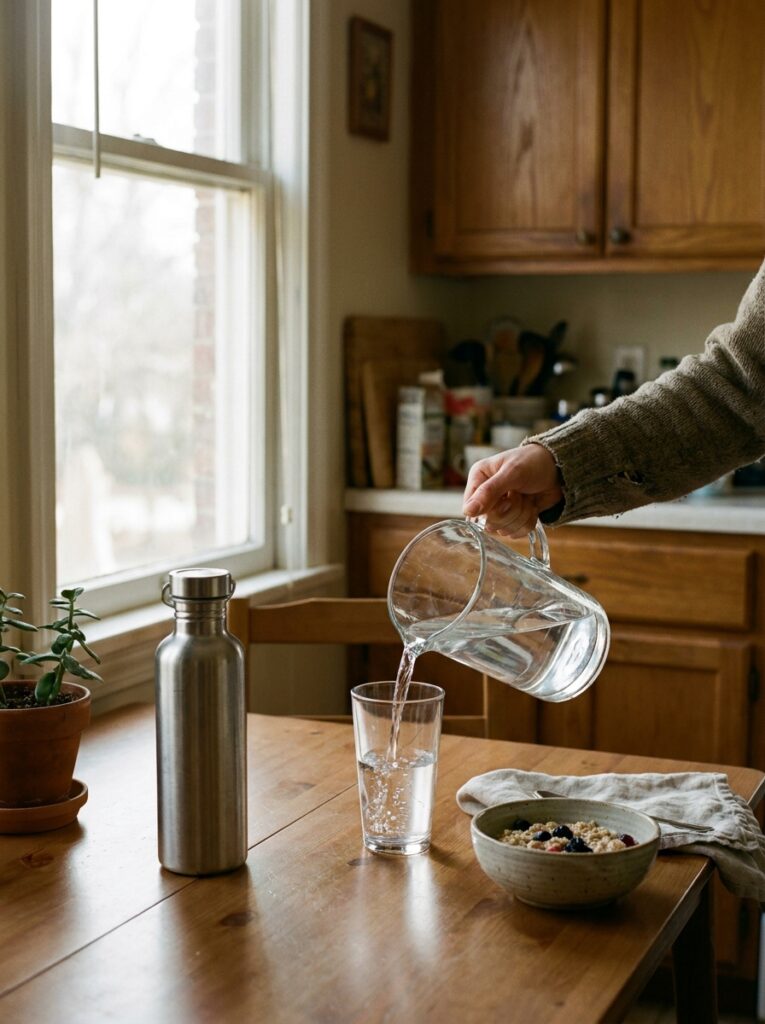
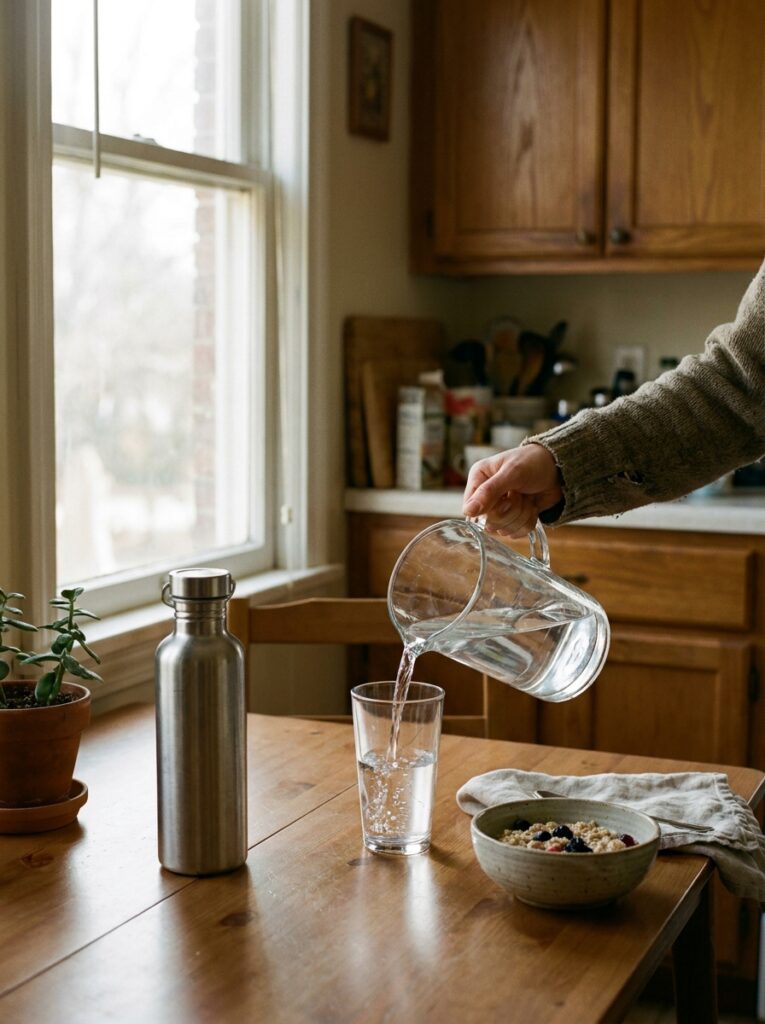
Building a water habit does not require dramatic change. Keeping water visible, drinking a glass after waking, carrying a reusable bottle, choosing water with meals and increasing intake during heat or exercise can make hydration easier. People who dislike plain water can add slices of citrus, cucumber or mint without turning it into a sugary drink. The best habit is the one that can be repeated daily.
Water’s importance is easy to underestimate because it is ordinary. But health often depends on ordinary things done consistently: sleeping enough, moving the body, eating balanced meals and drinking safe water. In every cell, organ and system, water helps maintain the conditions of life. It does not promise miracles. It performs something more valuable: quiet, constant, essential work.”””