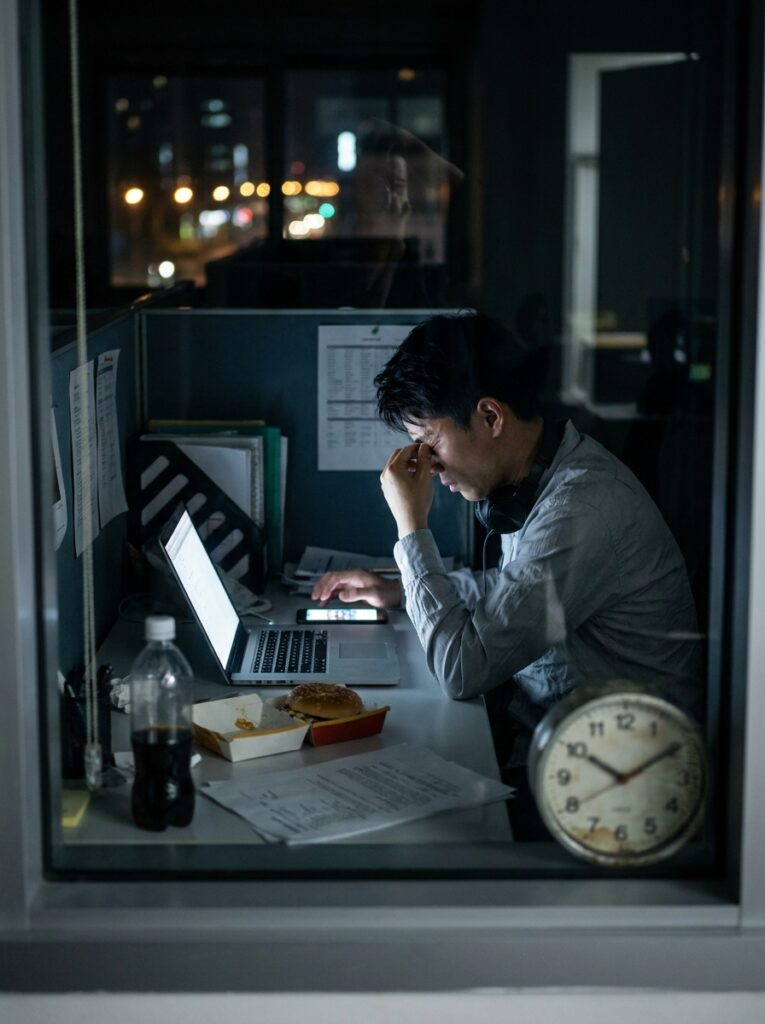
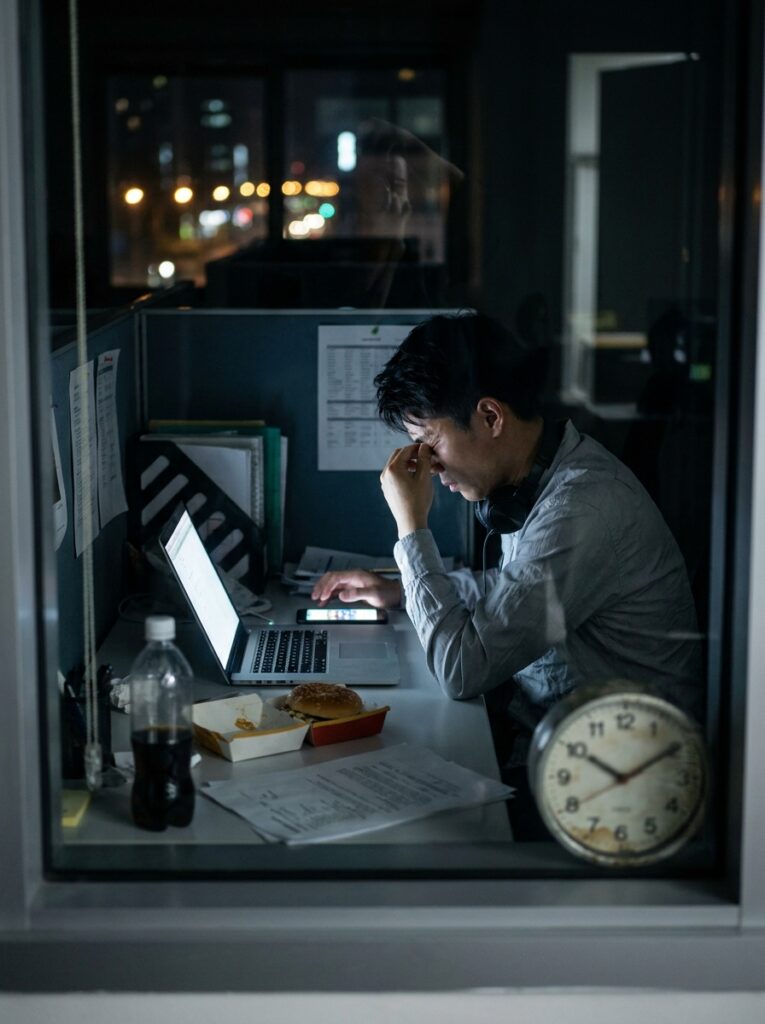
From poor sleep and inactivity to processed food, smoking and constant stress, small routines repeated every day can shape the body’s future more than many people realize.
Health is often imagined as something determined by major events: a serious diagnosis, a hospital visit, a sudden accident or a family history of disease. But for many people, long-term health is also shaped by quieter forces. The way a person eats, sleeps, sits, moves, drinks, smokes, works and handles stress each day can gradually influence the heart, brain, metabolism, immune system and emotional balance.
Bad habits rarely feel dangerous at first. Skipping breakfast, sleeping late, sitting for hours, drinking too many sugary beverages, scrolling through a phone before bed or postponing exercise may appear harmless when they happen once. The problem is repetition. A behavior that seems small in a single day can become powerful when repeated for months or years.
One of the most common harmful habits is prolonged sitting. Modern life has made physical inactivity easier than ever. Many people sit during commuting, work, meals and entertainment. Even after work, relaxation often means sitting again in front of a television or mobile screen. The human body, however, is designed for movement. When movement becomes rare, muscles use less energy, circulation slows and the body becomes less efficient at regulating weight, blood sugar and blood pressure.
Lack of physical activity is not only a matter of appearance or fitness. It is linked to broader health risks, including heart disease, type 2 diabetes, some cancers and depression. Regular movement helps the body maintain muscle strength, cardiovascular function, joint flexibility and mental well-being. This does not require elite athletic training. Walking, climbing stairs, stretching, cycling or doing household tasks can all help reduce the damage caused by a sedentary routine.
Poor diet is another daily habit with long-term consequences. Many people rely on processed foods because they are cheap, convenient and heavily marketed. These foods are often high in salt, added sugar and unhealthy fats, while being low in fiber and essential nutrients. A diet built around fast food, sugary drinks, refined carbohydrates and late-night snacks can place pressure on the body’s metabolic system.
The consequences may develop slowly. Excess salt can contribute to high blood pressure. Too much added sugar can increase the risk of weight gain and blood sugar problems. Low intake of fruits, vegetables, whole grains and healthy proteins can leave the body without the nutrients it needs to repair tissue, maintain immunity and support energy. A poor diet does not harm the body in one meal, but in the pattern created by hundreds of meals.
Another damaging habit is not drinking enough water. Some people move through the day fueled mainly by coffee, sweetened drinks or energy beverages. Mild dehydration can contribute to headaches, fatigue and poor concentration. Sugary drinks add calories without creating lasting fullness, making it easier to consume more energy than the body needs. Replacing some sweetened drinks with water is one of the simplest daily changes, but also one of the most often ignored.
Sleep deprivation has become one of the defining health problems of modern life. Many people treat sleep as flexible, something to cut when work, entertainment or social obligations demand more time. Yet sleep is not a luxury. It is an essential biological process that supports memory, mood, immune function, hormone balance and physical recovery.
When sleep is too short or poor in quality, the effects appear quickly. People may become more irritable, less focused and slower to react. They may crave high-calorie foods, rely on caffeine and make poorer decisions. Over time, chronic sleep deficiency can affect cardiovascular health, metabolism and mental well-being. A person may think they are adapting to little sleep, but the body often continues to carry the cost.
Screen use before bed has made sleep problems worse. Smartphones, tablets and computers keep the brain alert when it should be winding down. Social media, streaming platforms and games are designed to hold attention, often turning a short break into hours of lost sleep. Light from screens can also interfere with the body’s natural sleep rhythm. The result is a cycle in which people sleep later, wake tired and use more caffeine or stimulation to get through the next day.
Smoking remains one of the most harmful daily habits. Its risks are well established, including damage to the lungs, heart and blood vessels, as well as increased risk of cancer. Even people who smoke only socially may underestimate the danger of repeated exposure. Tobacco use does not only affect the smoker. Secondhand smoke can harm family members, co-workers and children who share the same environment.
Excessive alcohol use is another habit often normalized in social life. Drinking may be associated with relaxation, celebration or stress relief, but frequent heavy use can damage the liver, raise accident risk, disrupt sleep and affect mental health. Alcohol can make a person feel sleepy, but it often reduces sleep quality. This means the body may spend the night processing alcohol instead of recovering fully.
Stress-related habits are also important. Stress itself is a natural response, but constant unmanaged stress can push people toward behaviors that damage health: overeating, smoking, drinking, sleeping poorly, avoiding exercise or isolating from others. The body under chronic stress may remain in a state of tension, affecting blood pressure, digestion, mood and immune response.
Many people also develop the habit of ignoring early warning signs. Fatigue, headaches, shortness of breath, chest discomfort, digestive problems or persistent sadness may be dismissed as normal. While not every symptom signals serious disease, repeatedly ignoring the body can delay care. Preventive checkups, dental visits, eye exams and basic health screenings are part of responsible self-care, especially for people with family histories of chronic illness.
Poor posture and long hours at screens create another set of problems. Neck pain, back pain, eye strain and headaches are common among office workers and students. Looking down at a phone for long periods, sitting without support or working without breaks can place stress on muscles and joints. Over time, discomfort can become chronic and reduce quality of life.
A less obvious habit is eating too quickly. Fast eating can make it harder for the body to recognize fullness, leading some people to consume more than they need. It can also reduce awareness of food quality. Meals eaten while scrolling, driving or working are often less satisfying and more likely to include convenience foods. Slowing down, even slightly, can improve awareness and digestion.
Social isolation can also harm health. In a connected digital world, many people interact constantly online while feeling emotionally alone. Strong social relationships are associated with better mental well-being and resilience. Isolation, loneliness and lack of support can increase stress and make unhealthy habits harder to change. Health is not only biological; it is also social.
The challenge is that unhealthy habits often provide immediate comfort. A sugary snack gives quick pleasure. A cigarette may feel calming. Staying up late offers private time after a long day. Avoiding exercise saves effort in the moment. The benefits of healthy habits are usually slower and less dramatic. This is why changing behavior requires patience rather than perfection.
Experts often emphasize that small improvements matter. Walking for 10 minutes is better than sitting all day. Going to bed 30 minutes earlier is better than continuing a pattern of exhaustion. Adding vegetables to one meal is better than waiting for a perfect diet plan. Reducing cigarettes, alcohol or sugary drinks can be a step toward larger change. Health is built through direction, not sudden transformation.
It is also important not to blame individuals alone. Daily habits are shaped by work schedules, income, housing, food prices, neighborhood safety, advertising and access to health care. A person working two jobs may find it harder to cook, exercise or sleep well. Someone living in an area without safe parks or affordable fresh food faces barriers that personal discipline cannot fully solve. Public health depends on both personal choices and social conditions.
Still, awareness is a starting point. People can begin by observing their routines honestly. How many hours are spent sitting? How often are meals rushed or processed? Is sleep treated as essential or optional? Is stress being managed or simply buried? Are screens controlling the evening? Are symptoms being ignored?
Bad habits do not usually destroy health overnight. They work quietly, through repetition. The encouraging truth is that good habits work the same way. A healthier body is often built not by extreme change, but by ordinary choices repeated with consistency. In daily life, health is not only found in hospitals or clinics. It is found in the small decisions made before breakfast, during work, after dinner and before sleep.”””