From flu and RSV to dengue, heat illness and food poisoning, simple habits can reduce the health risks that return with each change in weather.
Every season brings its own routines, foods, clothes and celebrations. It also brings familiar health risks. Cold months are often associated with respiratory infections. Rainy periods can increase mosquito breeding. Hot weather raises the danger of dehydration, heat exhaustion and foodborne illness. Changes in temperature and humidity can worsen allergies, asthma and skin problems. For families, schools, workplaces and health systems, the challenge is not only treating these illnesses after they appear, but preventing as many of them as possible before they spread.
Seasonal disease prevention begins with a basic idea: illness is shaped by environment and behavior. Viruses move more easily when people gather indoors. Mosquitoes multiply where standing water is left undisturbed. Bacteria grow faster when food is stored at unsafe temperatures. Heat becomes dangerous when people work outdoors, lack cooling or fail to drink enough fluids. The risks may differ by country and climate, but the pattern is universal. Weather changes human behavior, and human behavior changes disease risk.
Respiratory infections remain among the most common seasonal threats. Influenza, COVID-19, respiratory syncytial virus and the common cold often circulate more intensely when people spend more time indoors and close to one another. Prevention does not rely on one measure alone. Vaccination, hand hygiene, cleaner air, masks in higher-risk settings, cough etiquette and staying home when sick all reduce the chance that one infected person becomes the start of a larger outbreak.
Annual flu vaccination is one of the most important protections for eligible people, especially older adults, young children, pregnant women and people with chronic medical conditions. Vaccines do not prevent every infection, but they can reduce the risk of severe disease, hospitalization and complications. In communities where vaccine access is uneven, public health campaigns, workplace clinics and school-based information can help close the gap between recommendation and reality.
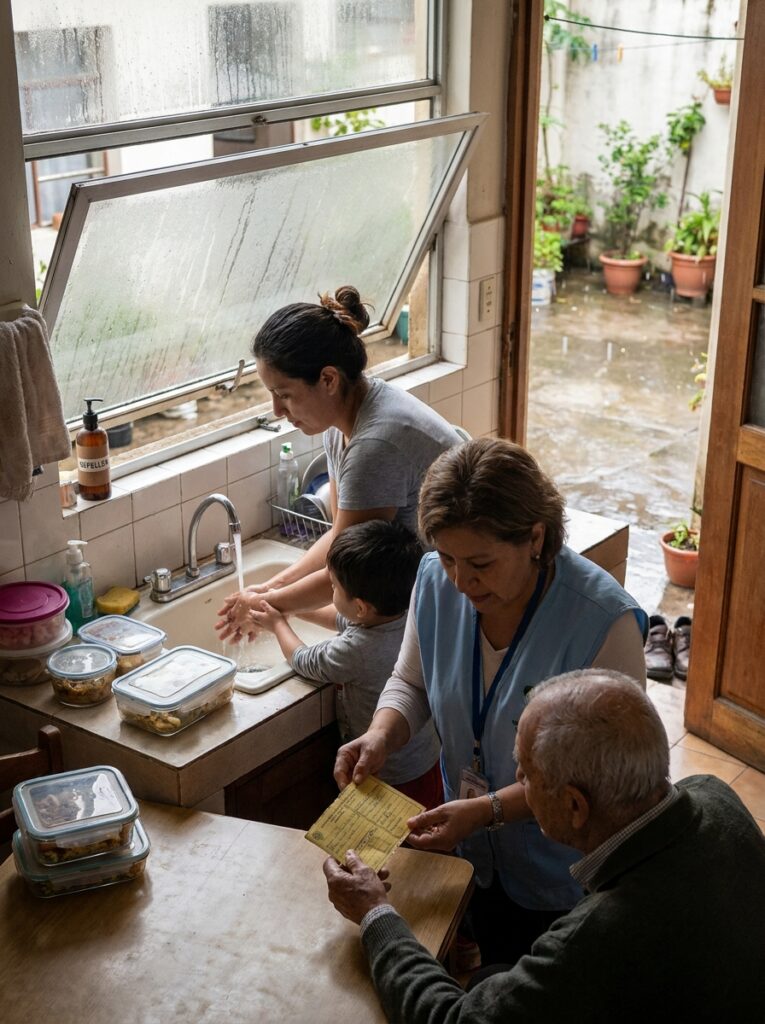
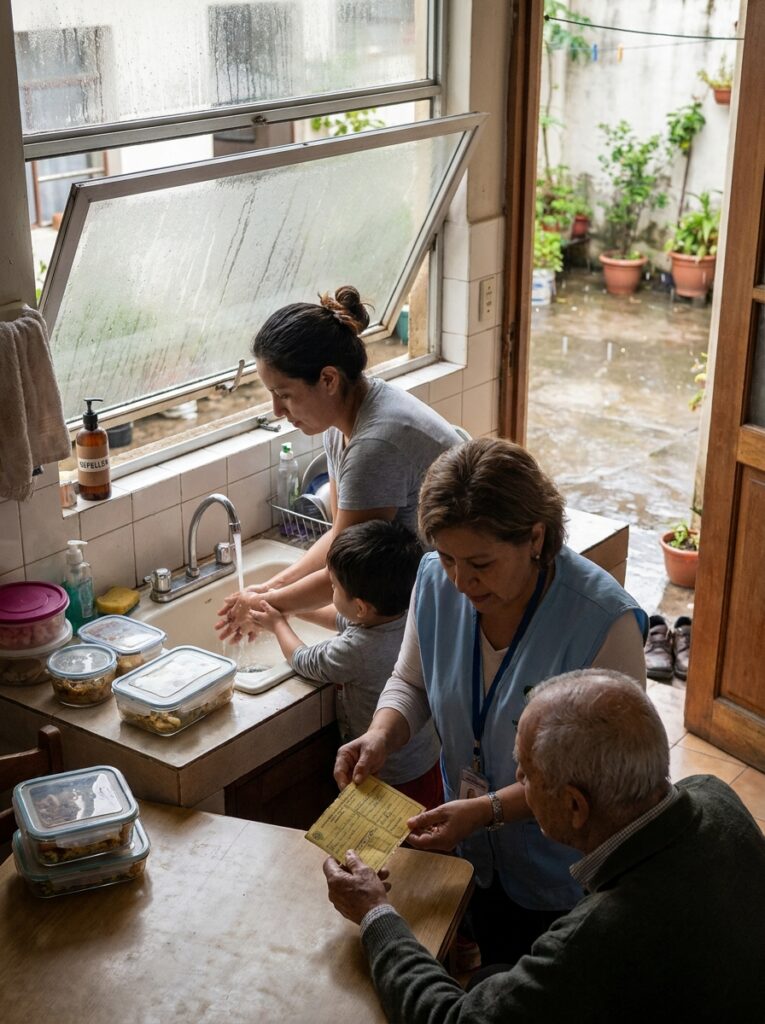
Everyday hygiene remains essential. Washing hands with soap and water, especially before eating and after using the bathroom, is a simple barrier against many pathogens. Covering coughs and sneezes, avoiding touching the face with unwashed hands and cleaning frequently touched surfaces can reduce transmission in homes, classrooms and offices. These actions may seem ordinary, but seasonal outbreaks often grow from ordinary lapses.
Ventilation is another lesson strengthened by the COVID-19 pandemic. When people gather indoors, fresh air matters. Opening windows when conditions allow, improving air filtration and avoiding overcrowded indoor spaces during periods of high respiratory illness can lower risk. Masks remain useful in crowded places, healthcare settings or when someone is recovering from illness but must be near others. The goal is not permanent isolation. It is smarter risk management during periods when viruses are spreading.
Parents and caregivers should pay close attention to children, because schools and daycare centers can amplify seasonal infections. Children often share toys, food, desks and air with many others. Teaching handwashing, keeping sick children at home when possible and ensuring routine immunizations are up to date can protect both children and vulnerable relatives at home. For infants, older adults and people with weakened immune systems, a mild infection in one person can become a serious illness in another.
Gastrointestinal illnesses, including norovirus, also follow seasonal patterns in many regions. Norovirus spreads easily through contaminated hands, surfaces, food and close contact. It can move quickly through schools, cruise ships, restaurants, nursing homes and households. Prevention depends on strict handwashing with soap and water, safe food handling, careful cleaning after vomiting or diarrhea and avoiding food preparation while sick and for a period after symptoms stop. Alcohol-based hand sanitizer can be useful for many germs, but soap and water are especially important for norovirus.
Food poisoning becomes a greater concern during hot and humid weather, outdoor gatherings and travel seasons. The basic rules are straightforward: keep hands and surfaces clean, separate raw meat and seafood from ready-to-eat foods, cook food to safe temperatures and chill leftovers promptly. Picnic food left too long in the heat can become unsafe even if it looks and smells normal. In hot seasons, food safety is not only a kitchen issue; it is part of seasonal disease prevention.
Rainy seasons bring another set of risks. Dengue and other mosquito-borne diseases can rise when mosquitoes find places to breed. Buckets, flowerpots, old tires, clogged gutters and uncovered water containers can become small but dangerous habitats. Preventing mosquito-borne illness requires both personal protection and community action. People can wear long sleeves, use appropriate insect repellent, sleep under nets where needed and keep screens or doors in good repair. Communities can remove standing water, improve drainage and support mosquito control programs.
Dengue prevention is especially important because there is no simple cure once infection occurs. Many people recover with rest and fluids, but severe dengue can be life-threatening and requires urgent medical attention. Fever, severe headache, pain behind the eyes, joint and muscle pain, rash, bleeding, persistent vomiting or severe abdominal pain should not be ignored in areas where dengue is circulating. Seasonal awareness can save time, and time can save lives.
Hot weather creates risks that are sometimes underestimated. Heat exhaustion and heatstroke can affect outdoor workers, older adults, infants, athletes, people with chronic disease and anyone exposed to extreme heat without enough cooling. Prevention begins before symptoms appear. Drinking water regularly, reducing strenuous activity during the hottest hours, wearing light clothing, seeking shade or air-conditioned spaces and checking on vulnerable neighbors are practical steps. Confusion, fainting, very high body temperature or stopped sweating in extreme heat should be treated as an emergency.
Seasonal allergies and asthma also deserve attention. Pollen, mold, dust, smoke and changes in air quality can trigger sneezing, itchy eyes, coughing and breathing problems. People with asthma should follow their medical action plans, keep prescribed inhalers available and monitor air quality when pollution, wildfire smoke or heavy pollen is expected. For allergy sufferers, simple steps such as washing bedding, showering after outdoor exposure and keeping windows closed during high-pollen periods may reduce symptoms.
Skin and water-related illnesses can increase in humid or rainy conditions. Fungal infections, infected insect bites and rashes are more common when skin stays wet or irritated. Wearing breathable clothing, drying the body carefully, avoiding scratching bites and seeking care for wounds that become red, swollen or painful can prevent small problems from becoming larger ones. Floodwater is especially hazardous because it may contain sewage, chemicals or sharp objects. People should avoid wading through floodwater unless absolutely necessary and should clean any exposed skin afterward.
Travel adds another layer of seasonal risk. A person moving from one climate to another may face unfamiliar viruses, mosquitoes, food practices or heat levels. Before travel, it is wise to check local health advisories, update routine vaccines, pack necessary medicines and plan for safe drinking water and food. After returning from areas with mosquito-borne disease risk, continued bite prevention can help reduce the chance of spreading infection to local mosquitoes.
The most effective prevention strategy is not panic but preparation. Households can keep basic supplies ready: soap, oral rehydration solution, fever medicine appropriate for age, insect repellent, a thermometer, masks for high-risk situations and contact information for healthcare providers. Communities can strengthen prevention by keeping public spaces clean, improving drainage, supporting vaccination campaigns and sharing clear information before disease peaks.
Seasonal illnesses will not disappear. Weather will keep changing, viruses will keep circulating and mosquitoes will keep seeking water. But the damage they cause is not fixed. Prevention works best when it becomes routine: vaccines before outbreaks, handwashing before meals, water containers emptied before mosquitoes breed, food chilled before bacteria multiply, and heat precautions taken before the body fails.
The lesson is simple but powerful. Seasonal disease is predictable, and predictable risks can be reduced. A healthier season begins not in the hospital, but in the daily decisions made at home, school, work and in the community.
“””