
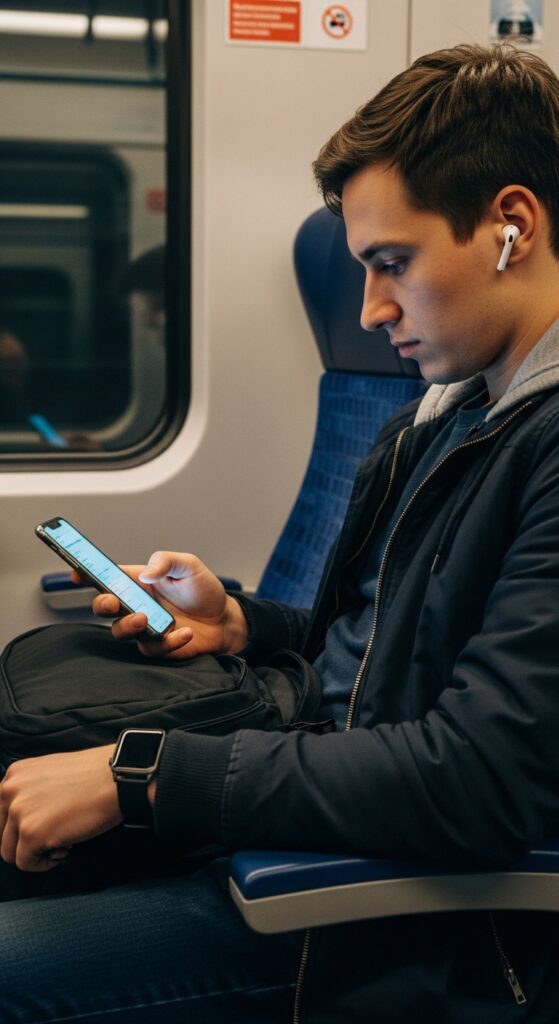
Smartphones remain central, but AI assistants, wearables, mixed reality and connected homes are competing to define the next phase of personal technology.
The smartphone is still the most important consumer technology device in the world. It is a wallet, camera, map, television, office, health tracker and social space. But after years of steady improvement, the industry is searching for the next major shift in how people interact with technology.
Artificial intelligence is the leading candidate. Phone makers and software companies are embedding AI into operating systems, cameras, messaging apps and search tools. Instead of opening several apps, users may increasingly ask an assistant to plan a trip, summarize messages, edit a photo or compare products.
The promise is convenience. The risk is dependence. A useful AI assistant may save time, but it may also collect more personal information than previous apps. To be truly helpful, it must understand schedules, contacts, location, habits and preferences. That makes privacy and trust essential.
Wearables are becoming more important because they are close to the body. Smartwatches and health bands monitor heart rate, sleep, exercise and sometimes warning signs. Earbuds are adding translation, voice assistants and hearing support. Smart rings are gaining attention for sleep and recovery tracking. The consumer technology industry is moving from the pocket to the wrist, ear and finger.
Health is one of the strongest selling points. People want devices that help them understand stress, fitness, sleep and aging. But consumer health data can be sensitive. A wearable may encourage better habits, but it can also create anxiety or provide information that users do not fully understand. Medical accuracy and data protection will become more important as health features expand.
Mixed reality remains a long-term bet. Headsets can blend digital information with physical space, offering new possibilities for gaming, training, design and remote collaboration. But cost, comfort and limited everyday use remain barriers. The technology is impressive, but it has not yet become as natural as the smartphone.
The smart home is growing slowly and unevenly. Connected lights, speakers, cameras, thermostats and appliances promise convenience and energy savings. Yet many consumers face confusing standards, security concerns and devices that become obsolete too quickly. A truly smart home must be simple, reliable and respectful of privacy.
Deloitte’s 2026 technology, media and telecommunications predictions described AI as a force driving infrastructure investment and reshaping how people connect and consume content. That shift is visible in consumer devices, where AI is becoming less a separate product than a feature inside everything.
Affordability is a constraint. Premium devices showcase innovation, but most consumers replace technology based on price, durability and necessity. In many markets, refurbished devices and longer upgrade cycles are becoming more common. Sustainability may push companies to offer better repairability and longer software support.
The next everyday device may not replace the smartphone. It may surround it. Phones, watches, earbuds, glasses, cars and home devices may form a personal technology network controlled by AI. The challenge is preventing that network from becoming intrusive or fragmented.
Consumer technology succeeds when it disappears into life. It fails when it demands too much attention, money or trust. The next phase will be defined not by the most futuristic gadget, but by the device that makes ordinary life easier without making it feel monitored.”””
