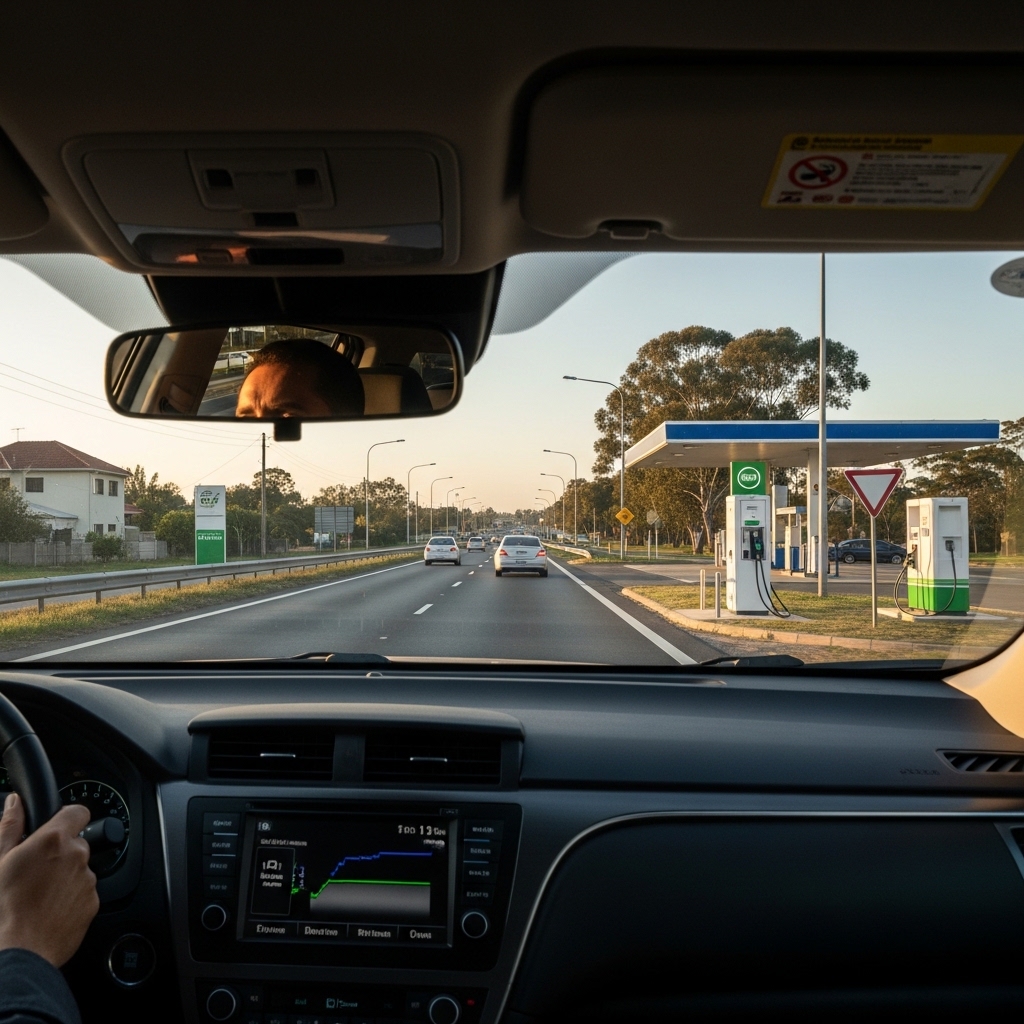
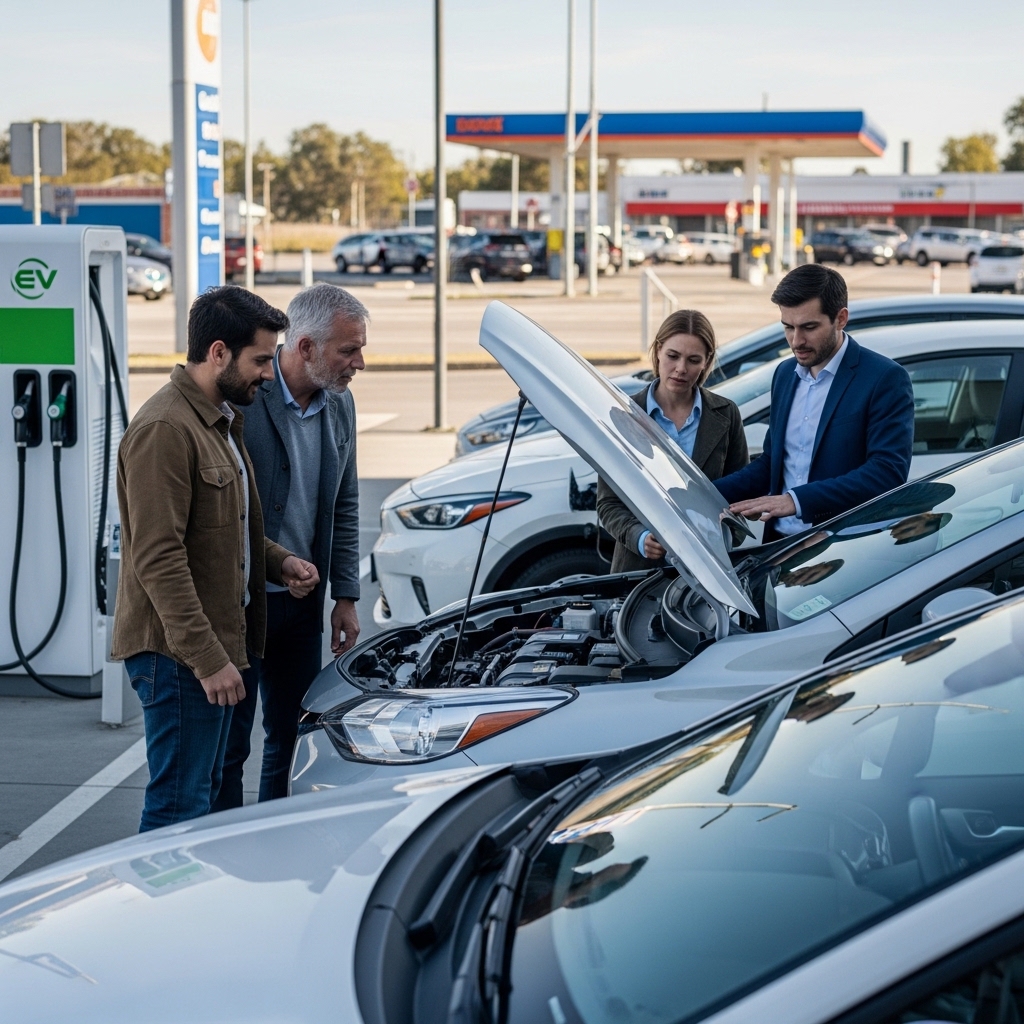
As charging concerns, high prices and uncertain incentives slow the electric transition in some markets, hybrid vehicles are re-emerging as the practical middle ground between gasoline cars and battery-powered mobility.
For years, the auto industry spoke as if the road to the future had only one destination: the fully electric vehicle. Automakers announced battery plants, governments wrote phaseout targets for combustion engines, and investors treated traditional powertrains as technologies from another era. The message was clear. The gasoline car was fading, the electric car was rising, and everything in between looked temporary.
But consumers have complicated that story. In 2026, hybrids are back with unexpected force. Not as nostalgic compromises, and not merely as older technology waiting to disappear, but as a pragmatic answer to a market that is moving toward electrification at uneven speeds. For millions of drivers, especially those who worry about charging access, long-distance travel, purchase prices and battery reliability, the hybrid has become the car that makes the transition feel possible.
The return of the hybrid does not mean the electric vehicle revolution has failed. Battery electric vehicles are still central to the long-term strategy of the global auto industry, and the International Energy Agency continues to track expanding electric mobility across major markets. China, Europe and parts of Asia remain powerful engines of EV growth. Battery costs have fallen over time, charging networks are improving, and many drivers who switch to EVs do not want to return to gasoline. The direction of travel remains electrified.
What has changed is the assumption that every consumer will move at the same speed. The auto market is revealing a more complicated transition, one shaped by geography, income, infrastructure and habit. In dense cities with reliable chargers and strong incentives, a full EV can be an obvious choice. In suburban or rural areas, where drivers cover longer distances and public chargers are less available, the decision is harder. In countries where electricity is expensive, incentives are uncertain or apartment dwellers cannot install home chargers, the practical barriers remain real.
Hybrid vehicles fit into that gap. A conventional hybrid uses a gasoline engine and an electric motor, with a small battery that recharges through braking and engine operation. It does not require a plug. A plug-in hybrid has a larger battery that can be charged externally and can drive shorter distances on electricity before the gasoline engine takes over. Extended-range electric vehicles and series hybrids add further variations, using gasoline mainly to generate electricity for longer trips. The technical differences matter, but the consumer promise is similar: lower fuel use and some electric benefits without the full dependence on charging infrastructure.
That promise is proving powerful. In the United States, the Energy Information Administration reported that hybrid electric vehicles continued gaining market share in the second half of 2025, while battery electric and plug-in hybrid sales declined after federal tax credits expired. Ford said it sold a record 228,072 hybrid vehicles in 2025, up 21.7 percent from the previous year, helped by strong demand for hybrid trucks and compact pickups. Honda, after years of aggressive EV planning, announced that it would scale back electric-vehicle investment and focus more heavily on hybrids as EV demand slowed.
Toyota, long criticized by some investors and environmental advocates for moving more cautiously on battery-only vehicles, now looks less defensive and more strategic. Its deep hybrid lineup has allowed it to serve customers who want better fuel efficiency but are not ready for a fully electric car. The company’s success has forced rivals to reconsider whether skipping the hybrid stage was wise. In a market where consumer confidence matters as much as technology, patience can become a competitive advantage.
The appeal of hybrids begins with convenience. Drivers do not need to plan routes around chargers, install home equipment or change refueling habits. They can drive in heavy traffic with electric assistance, use less fuel in cities and still take long highway trips with the familiarity of gasoline stations. For households with one vehicle, that flexibility is especially important. A full EV may work beautifully as a second car, but many families still want their primary car to handle every possible trip.
Cost is another reason hybrids are gaining attention. Fully electric vehicles can be cheaper to operate over time, especially when charged at home, but their purchase prices remain high in many segments. Insurance, repair costs and battery concerns also influence buyers. A hybrid often costs less than a comparable EV and avoids the psychological barrier of depending on a large battery pack. For middle-income consumers facing high interest rates, inflation and uncertain resale values, that matters.
Charging infrastructure remains the central obstacle. Public charging networks have expanded, but reliability and availability vary widely. A driver who regularly sees broken chargers, long queues or confusing payment systems may hesitate to buy an EV, even if the technology itself is appealing. Apartment residents face another barrier: they may not control parking or electrical access. A hybrid allows them to participate in the shift toward cleaner mobility without waiting for cities, landlords or utilities to catch up.
The environmental case for hybrids is more nuanced. A hybrid still burns fuel and emits carbon dioxide. It is not a zero-emission vehicle. For climate targets, full electrification powered by cleaner electricity remains the stronger long-term solution. But compared with a traditional gasoline car, a well-designed hybrid can reduce fuel consumption and emissions significantly, particularly in urban driving. For drivers who would otherwise buy another combustion vehicle, a hybrid can be a meaningful step forward.
That is why some analysts describe hybrids as a bridge technology. The phrase is useful, but it can be misleading if it suggests hybrids are merely temporary. Bridges can last for decades when the crossing is long. The global auto transition will not happen overnight. Vehicles remain on the road for many years, charging infrastructure takes time to build, and consumer trust develops gradually. Hybrids may continue to play a major role well into the 2030s, especially in markets where full EV adoption is slower.
Automakers are adapting quickly. Companies that once spoke almost exclusively about battery-only futures are now emphasizing powertrain flexibility. Factories are being designed to build gasoline, hybrid and electric models depending on demand. Product planners are adding hybrid versions of popular SUVs, pickups and family cars rather than limiting the technology to small efficiency models. This is an important change. The hybrid comeback is not driven only by compact sedans; it is increasingly tied to the vehicles people actually buy.
The SUV and pickup segments are especially important. In North America and other markets, consumers continue to favor larger vehicles. Full electrification of heavy vehicles requires larger battery packs, which can increase cost, weight and charging demands. Hybrid systems offer a way to improve efficiency in these popular categories without asking buyers to accept major changes in behavior. A hybrid pickup that lowers fuel use while preserving towing range and refueling speed may appeal to customers who are skeptical of electric trucks.
Still, the hybrid boom carries risks. Automakers could use it as an excuse to delay investment in charging networks, battery technology and affordable EVs. Governments could weaken emissions policy too far if they treat hybrids as a complete substitute for zero-emission vehicles. Consumers could also misunderstand the limits of plug-in hybrids if they buy them but rarely charge them. A plug-in hybrid that runs mostly on gasoline delivers far fewer benefits than one used properly.
Policy will therefore shape the next stage. Regulators need to distinguish between different technologies and real-world emissions. Incentives should reward vehicles that genuinely reduce fuel use, not merely carry an electrified label. Cities need charging infrastructure not only for wealthy homeowners but also for renters, delivery drivers, taxi fleets and lower-income communities. The goal should not be to force every driver into the same vehicle immediately, but to make cleaner choices easier and more credible.
For consumers, the best choice depends on daily life. A driver with home charging, short commutes and access to reliable public chargers may find a battery electric vehicle ideal. A driver who travels long distances, lives in an apartment, or cannot rely on charging may find a conventional hybrid more sensible. A plug-in hybrid can work well for people who can charge regularly and use electric power for daily trips while keeping gasoline for longer journeys. The important question is not which technology is fashionable, but which one will actually be used efficiently.
The return of hybrids shows that the future of mobility is not a straight line. It is a negotiation between ambition and reality. Climate goals demand rapid change, but consumers need trust, affordability and convenience. Automakers need to decarbonize, but they also need to sell vehicles people are willing to buy today. Hybrids have re-entered the spotlight because they speak to both sides of that equation.
In the long run, the road may still lead to vehicles with no tailpipe at all. But the path there will pass through different technologies, different markets and different levels of readiness. For many drivers, the hybrid is not a retreat from the electric future. It is the first step toward it.
That is why its comeback matters. The hybrid offers a quieter, less ideological form of progress: fewer fuel stops, lower emissions, familiar driving and less fear of being stranded. It does not ask consumers to leap before the infrastructure is ready. It asks them to move. In a transition as large as the reinvention of the automobile, that may be exactly what the market needs now.