
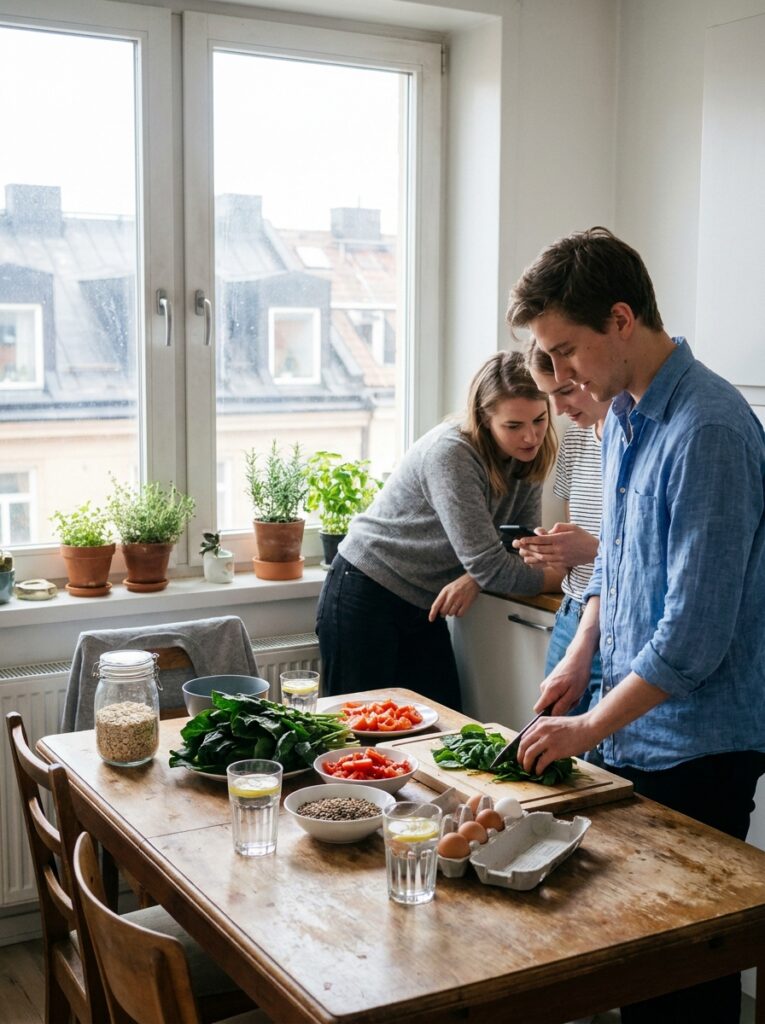
As consumers rethink food, exercise, sleep and stress, healthy living is becoming less of a luxury trend and more of a daily strategy for preventing disease and improving quality of life.
Healthy eating and wellness living have moved far beyond gyms, diet books and expensive lifestyle brands. They are now part of a broader social shift shaped by chronic disease, rising health costs, climate concerns, digital culture and a growing desire to live longer with better physical and mental strength. For many people, the question is no longer how to look healthy for a short period, but how to build a way of life that can be maintained for years.
The modern wellness movement is not defined by one diet or one routine. It includes people choosing more vegetables, reducing sugary drinks, walking after meals, buying less processed food, cooking at home, sleeping earlier, tracking steps, practicing meditation and paying closer attention to mental health. Some follow plant-forward diets. Others focus on protein, gut health, hydration or balanced blood sugar. What connects these habits is a practical belief: daily choices can shape long-term health.
This shift is partly a response to the burden of chronic disease. Heart disease, type 2 diabetes, obesity and some cancers are strongly influenced by lifestyle, although they are also affected by genetics, income, environment and access to health care. People increasingly understand that prevention cannot begin only in hospitals. It begins in kitchens, workplaces, schools, markets and neighborhoods. A healthy life is built before symptoms appear.
Food remains the center of the trend. Across many countries, consumers are paying more attention to what is inside their meals. They are reading labels, reducing added sugar, choosing whole grains, eating more fiber and asking whether food is fresh, minimally processed and nutritionally meaningful. The old idea of dieting as punishment is slowly giving way to a more sustainable view: food should provide energy, support immunity, protect the gut and make people feel well enough to live actively.
Vegetables, fruits, legumes, nuts and whole grains have become symbols of this approach because they offer fiber, vitamins, minerals and protective plant compounds. They also help people feel full without relying heavily on ultra-processed products. A meal built around rice, beans, greens, eggs, fish, tofu or seasonal vegetables may not look fashionable on social media, but it often reflects the foundation of healthy eating better than expensive powders or imported wellness products.
Protein has also become a major part of the conversation. Young professionals, older adults and fitness-focused consumers are increasingly aware that protein supports muscle, recovery and satiety. But the healthiest approach is not simply to eat more meat. Fish, eggs, dairy, beans, lentils, tofu, nuts and moderate portions of lean meat can all play a role. The trend is moving toward balance rather than extremes, especially as people connect diet with both personal health and environmental impact.
Gut health is another reason healthy eating has gained momentum. Fermented foods, yogurt, kimchi, kombucha, kefir and fiber-rich meals have become more popular as people hear more about the relationship between the gut, immunity, metabolism and mood. Science is still developing, and not every product marketed for gut health deserves its claims. But the basic message is sound: diets rich in diverse, minimally processed foods tend to support a healthier digestive system than diets dominated by sugar, refined starch and low-fiber snacks.
The wellness trend is also changing how people think about beverages. Water, unsweetened tea and low-sugar drinks are replacing soft drinks for some consumers. This is not only about calories. It is about energy stability, dental health and reducing the habit of constant sweetness. In many households, replacing sugary beverages with water is one of the simplest health changes because it does not require cooking skills, expensive ingredients or complicated rules.
At the same time, healthy living now extends beyond the plate. Physical activity has become a daily goal rather than a separate event reserved for athletes. Walking, cycling, home workouts, yoga, stretching and short exercise sessions are popular because they fit into busy schedules. Many people no longer measure fitness only by weight loss. They measure it by strength, mobility, endurance, posture, sleep and mental clarity.
Sleep is increasingly treated as a pillar of health. In the past, lack of sleep was often seen as proof of ambition. Today, more people recognize that poor sleep can affect appetite, concentration, mood, immune function and productivity. Wellness culture has helped normalize bedtime routines, reduced screen exposure at night, calmer evening habits and the idea that rest is not laziness. It is recovery.
Mental health is another key part of the shift. Stress, burnout and anxiety have pushed many people to seek healthier routines. Meditation apps, journaling, therapy, breathing exercises, nature walks and digital breaks are becoming common wellness tools. The modern idea of living well is not only about a strong body. It is about emotional resilience, social connection and the ability to function without constant exhaustion.
Technology has accelerated the movement. Smartphones and wearable devices allow people to track steps, heart rate, sleep, calories, water intake and workouts. Social media spreads recipes, exercise routines and personal transformation stories. This can be helpful, but it can also create pressure. Not every online health claim is reliable. Not every influencer is qualified. Not every viral diet is safe. The challenge for consumers is to use digital tools without becoming controlled by them.
The wellness market has also become crowded. Superfoods, supplements, detox programs, low-carb products, high-protein snacks, organic labels and personalized nutrition plans compete for attention. Some products are useful. Others are exaggerated. A responsible approach to healthy living should separate evidence from marketing. Most people do not need expensive products to live better. They need regular meals, enough sleep, movement, clean water, less tobacco and alcohol, and access to affordable nutritious food.
Cost remains a major barrier. Healthy living is often presented through polished images of boutique gyms, imported foods and luxury retreats. But real wellness must be accessible. Seasonal vegetables, beans, eggs, local fruit, home-cooked soups, walking, public parks and community sports can be powerful tools. If healthy living becomes only a status symbol, it will fail the people who need it most.
Culture also matters. A healthy diet should not require people to abandon traditional food. Many traditional cuisines already include vegetables, herbs, grains, legumes, fish and shared meals. The problem often comes from oversized portions, too much salt, added sugar, frying, processed snacks and reduced physical activity. A healthier future may come not from rejecting culture but from adapting it with moderation and care.
The strongest version of the healthy living trend is not extreme. It does not demand perfection, shame people for enjoying food or turn every meal into a moral test. It encourages consistency. A person can eat cake at a celebration and still live healthily. A busy worker can begin with a 20-minute walk. A family can reduce sugary drinks before changing the whole menu. Small changes become powerful when they are repeated.
Healthy eating and wellness living are therefore becoming a new form of practical self-protection. They reflect a public that is more aware of disease risk, more skeptical of empty advertising and more interested in quality of life. The movement is not without contradictions, commercial pressure or misinformation. But at its best, it offers a simple message: health is not built by one miracle product or one perfect week. It is built through ordinary choices, repeated every day, in ways that people can actually sustain.”””
