
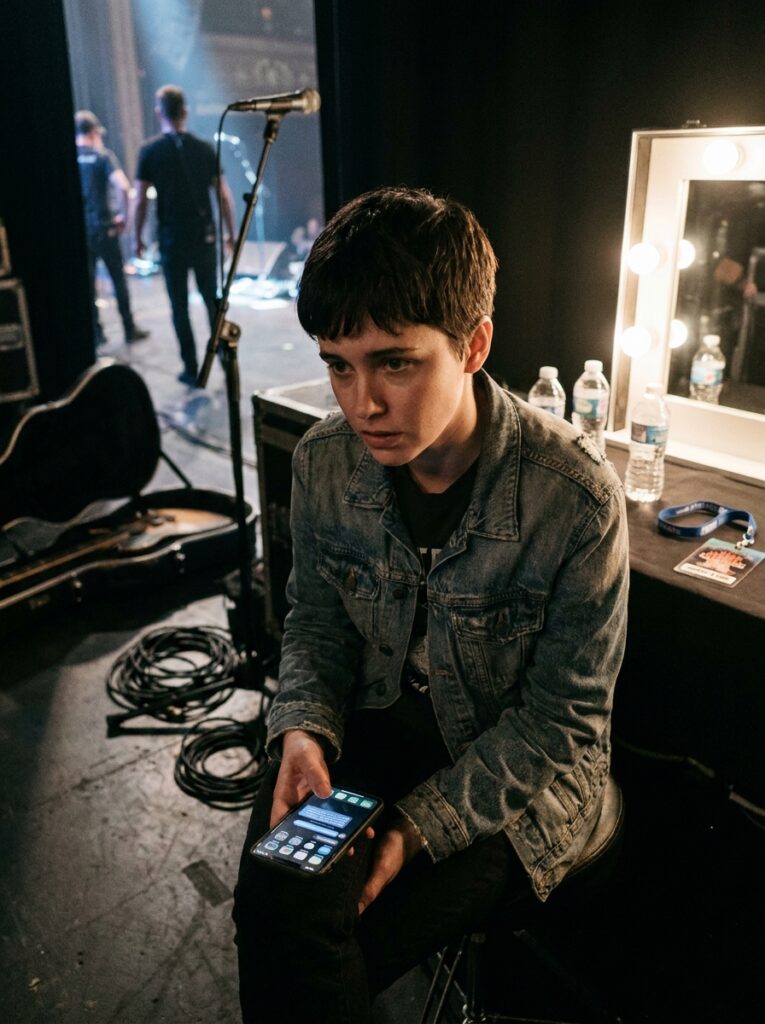
In an entertainment industry shaped by algorithms, fan communities and instant public reaction, an artist’s image can be built, damaged and rebuilt faster than ever before.
For today’s artists, reputation no longer lives only in theaters, galleries, music charts, film reviews or television interviews. It lives on phones. It is measured in clips, comments, reposts, memes, livestreams, hashtags and the emotional judgment of audiences who may never attend a concert, buy an album or watch a full film, but who still help define how an artist is perceived.
Social media has become one of the most powerful forces in shaping the public image of musicians, actors, dancers, visual artists, comedians and digital creators. It offers visibility that previous generations could hardly imagine. A young singer can reach millions without a major label. An actor can show personality beyond scripted roles. A painter can sell work directly to collectors. A performer from a small market can build an international following before traditional media even notices.
But the same system that creates opportunity also creates vulnerability. Social platforms reward speed, emotion and repetition. Praise can spread within hours, but so can criticism. A single careless comment, an old video, an awkward interview clip or an unverified accusation can become a global topic before managers, agents or publicists have time to respond. For artists, the digital public square is both a stage and a courtroom.
The positive impact is clear. Social media allows artists to control more of their own narrative. In the past, reputation was often filtered through journalists, studios, record companies, galleries and broadcasters. Those institutions still matter, but they no longer hold the only microphone. Artists can explain their work, show the process behind it, thank fans directly, correct rumors and present themselves as real people rather than distant celebrities.
This direct connection can create loyalty. Fans who see rehearsals, studio sessions, backstage moments or personal reflections may feel emotionally closer to an artist. That relationship, sometimes called a parasocial bond, can be commercially powerful. It can help sell concert tickets, boost streaming numbers, attract brand partnerships and protect an artist during difficult periods. A strong fan community can defend an artist, promote new projects and keep older work alive.
Social media has also changed discovery. Short video platforms, music clips and fan edits can turn unknown performers into international names. A song used in a viral dance, a scene transformed into a meme or a street performance captured by a passerby can introduce an artist to audiences far beyond the reach of conventional advertising. For emerging artists, this can reduce barriers that once depended heavily on money, geography and industry access.
The effect is especially visible in music, where fragments of songs often circulate before listeners know the artist’s full catalog. A chorus, beat or lyric can become familiar through repetition on social platforms. That familiarity can later translate into streaming, ticket sales and media attention. In film and television, actors can gain popularity through short clips that highlight facial expressions, emotional scenes or off-screen charm.
Yet social media fame can be unstable. An artist may become known for one viral moment rather than a body of work. The audience that arrives quickly may leave just as quickly. Platforms also encourage constant output, pushing artists to be visible even when they may need time to create, rest or develop. The pressure to remain relevant can blur the line between artistic career and personal performance.
Reputation is also shaped by authenticity, a word often used but difficult to define. Audiences tend to reward artists who appear sincere, self-aware and accessible. However, the demand for authenticity can become another kind of performance. Artists are expected to be polished but not fake, open but not reckless, political but not divisive, grateful but not desperate. Every post can be interpreted as evidence of character.
This environment makes mistakes more costly. In earlier media eras, a controversial remark might appear in one newspaper or broadcast and then fade. Online, it can be clipped, archived, translated and circulated repeatedly. Context is often lost. Sarcasm may be misunderstood. Cultural differences may be ignored. Old statements can be judged by new standards. Even silence can be interpreted as a position.
The rise of public accountability has brought important benefits. Social media has allowed audiences, workers and victims to challenge abusive behavior, discrimination and exploitation in industries that once protected powerful figures. It has made it harder for harmful conduct to remain hidden. In that sense, reputational risk is not merely a problem for artists; it is also a mechanism through which the public demands better conduct.
But the same mechanism can become excessive or unfair. Online criticism does not always distinguish between serious wrongdoing, poor judgment, artistic disagreement and misinformation. The intensity of a backlash can depend less on facts than on timing, platform dynamics and whether influential accounts choose to amplify the issue. When outrage becomes entertainment, reputational damage can occur before evidence is clear.
For this reason, crisis response has become a central part of artistic life. A weak apology can worsen a scandal. A defensive statement can appear arrogant. A delayed response can look evasive. A sincere explanation, followed by visible action, may help repair trust, but not always. The public often examines whether an artist accepts responsibility, understands harm and changes behavior rather than simply trying to protect a career.
Fan communities play a complicated role. Loyal fans can provide emotional and professional support, but they can also become aggressive toward critics, journalists or rival artists. When fandom turns into digital combat, the artist’s reputation may suffer even if the artist did not directly encourage it. Silence from an artist can be read as approval, while intervention can alienate supporters who believe they are defending someone they admire.
Brands, studios, galleries and sponsors now monitor this environment closely. An artist’s online reputation can influence casting, endorsements, festival invitations and commercial partnerships. Companies want attention, but they fear controversy that could damage their own image. As a result, follower counts and engagement rates matter, but so do tone, behavior and perceived risk.
The influence of social media also differs by age and career stage. New artists may depend on platforms for discovery and audience building. Established artists may use them to maintain relevance or reshape a legacy. Older artists sometimes face difficulty adapting to the language and rhythm of platforms designed around speed and informality. Younger artists may understand the platforms better but face greater pressure to share personal life before professional boundaries are fully formed.
Mental health is another serious concern. Constant judgment can be exhausting. Artists may read thousands of comments about their appearance, voice, politics, relationships or family. Praise can become addictive, while criticism can become destructive. The pressure to monitor public opinion can affect creativity, confidence and personal stability. For some artists, stepping back from social media is not a retreat from fans but a form of self-protection.
Artificial intelligence and manipulated media are adding new risks. Deepfakes, fake screenshots, synthetic voices and edited videos can create reputational crises from material that is not real. Even when false content is debunked, the correction may travel more slowly than the original claim. Artists now face not only criticism of what they have done, but also fabricated evidence of things they never did.
Despite these dangers, social media is unlikely to become less important. It has become part of the infrastructure of modern fame. The question is no longer whether artists should use it, but how carefully they should manage it. Successful artists increasingly treat social media as a public space that requires strategy, discipline and emotional restraint.
The most resilient reputations are usually built on consistency. Audiences may forgive mistakes when an artist has a long record of honesty, respect and serious work. They may be less forgiving when the public image appears manufactured or when apologies seem tactical. Reputation in the social media era is not only about popularity. It is about trust.
For artists, the lesson is both simple and difficult. Social media can open doors that traditional gatekeepers once kept closed. It can turn talent into visibility and visibility into opportunity. But it can also magnify weakness, punish arrogance and expose contradictions. The artist who succeeds in this environment must understand that every post is part of a larger story.
In the past, an artist’s reputation was built over years through performances, interviews, reviews and word of mouth. Today, it can shift in a single afternoon. That speed is the defining reality of digital fame. Social media has not replaced talent, discipline or artistic value. But it has changed the path by which the world discovers them, judges them and remembers them.”””
