As consumers rethink spending, sustainability and personal identity, a smaller, better-planned closet is becoming a modern answer to fashion overload.
For years, the dream wardrobe was measured by abundance. More shoes, more shirts, more dresses, more choices. Social media accelerated the idea that style required constant novelty, while fast-fashion retailers trained shoppers to treat clothing as disposable entertainment. But a different idea is gaining ground: the smartest wardrobe may not be the fullest one. It may be the one that works harder.
The concept is often called a capsule wardrobe, but the modern version is broader than a minimalist trend. It is not about owning only black T-shirts or dressing in a uniform. It is about building a smaller, more coherent collection of clothes that fit well, combine easily and reflect a person’s real life. In an era of rising costs, climate anxiety and algorithm-driven overconsumption, the smart wardrobe is emerging as both a practical tool and a quiet style statement.
The shift is not happening in isolation. The global fashion industry is entering 2026 under pressure from low growth, volatile costs and more value-conscious consumers. McKinsey’s State of Fashion 2026 report describes an industry adapting to rapid changes in trade, consumer behavior and technology, with shoppers becoming more cautious about spending. In that environment, buying fewer but better pieces is no longer just an aesthetic preference. It is a rational response to uncertainty.
A smart wardrobe begins with a simple question: what does a person actually wear? Many closets are filled with imagined lives: the blazer for meetings that never happen, the dress for a party that never comes, the jeans bought for a future body, the trend piece worn once for a photograph. The smart wardrobe rejects fantasy buying. It starts with real routines — commuting, working, studying, parenting, exercising, traveling, meeting friends — and builds around those needs.
The result can be surprisingly liberating. Fewer clothes can mean fewer decisions, less clutter and a clearer sense of identity. A person who owns 35 useful pieces may dress more confidently than someone with 150 disconnected items. Style is not created by quantity. It is created by proportion, color, texture, fit and repetition. The most stylish people often have recognizable formulas: a crisp shirt and relaxed trousers, a tailored jacket over denim, a monochrome base with one strong accessory, or a simple dress sharpened by shoes and jewelry.
The key is versatility. A smart wardrobe depends on pieces that can move across situations. A white shirt should work with jeans on the weekend and tailored trousers at the office. A navy blazer should soften a T-shirt and elevate a simple dress. Clean sneakers, loafers or ankle boots should serve more than one outfit. Neutral colors are useful not because they are fashionable, but because they make combinations easier. Black, navy, gray, beige, cream, denim blue, olive and brown create a stable base. Accent colors can then be added with intention rather than impulse.
Fit matters more than logos. A perfectly cut pair of trousers can do more for style than a loud designer item that does not suit the body. A smart wardrobe encourages tailoring, repair and care. Hemming pants, replacing buttons, cleaning shoes and steaming garments are small acts that make clothing look more expensive and more personal. The best wardrobe is not necessarily new. It is maintained.
This is where the smart wardrobe intersects with sustainability. Fashion’s environmental problem is not only what clothes are made from, but how many are made, shipped, bought and discarded. A smaller wardrobe does not automatically solve that problem, but it challenges the habit of treating clothing as temporary content. When shoppers ask whether an item can be worn 30, 50 or 100 times, they change the economics of desire. The cost per wear of a well-made jacket may be lower than that of a cheap trend piece worn twice.
Secondhand fashion is strengthening this shift. The resale market has moved from fringe behavior to a major part of the global clothing economy, supported by digital platforms, economic pressure and younger consumers who are more comfortable buying pre-owned items. The Guardian, citing ThredUp’s 2026 resale report based on GlobalData research, reported that global secondhand clothing sales were forecast to reach $289 billion in 2026 and grow to $393 billion over five years. That growth makes the smart wardrobe more accessible: shoppers can buy better-quality garments without always paying full retail prices.
Technology is also changing how people manage clothing. Wardrobe apps, resale platforms, AI styling tools and digital wish lists allow users to track what they own, plan outfits and identify gaps before buying. The most useful technology is not the tool that encourages more shopping. It is the tool that prevents duplicate purchases and reveals patterns. A user may discover that they own seven black tops but no reliable jacket, or that they keep buying occasion wear while lacking everyday shoes.
For brands, the smart wardrobe creates both a challenge and an opportunity. The challenge is obvious: a consumer who buys fewer items may be less responsive to weekly drops and trend cycles. But the opportunity is stronger loyalty. Brands that offer durable basics, transparent sizing, repair services, resale options, styling guidance and seasonless design can become wardrobe partners rather than one-time sellers. In a market crowded with disposable novelty, trust becomes a competitive advantage.
The movement also pushes back against a narrow idea of minimalism. For some consumers, a smart wardrobe may be colorful, patterned and expressive. It can include traditional garments, work uniforms, modest fashion, streetwear, vintage pieces or luxury accessories. The principle is not visual austerity. The principle is coherence. A wardrobe is smart when the pieces speak to each other.
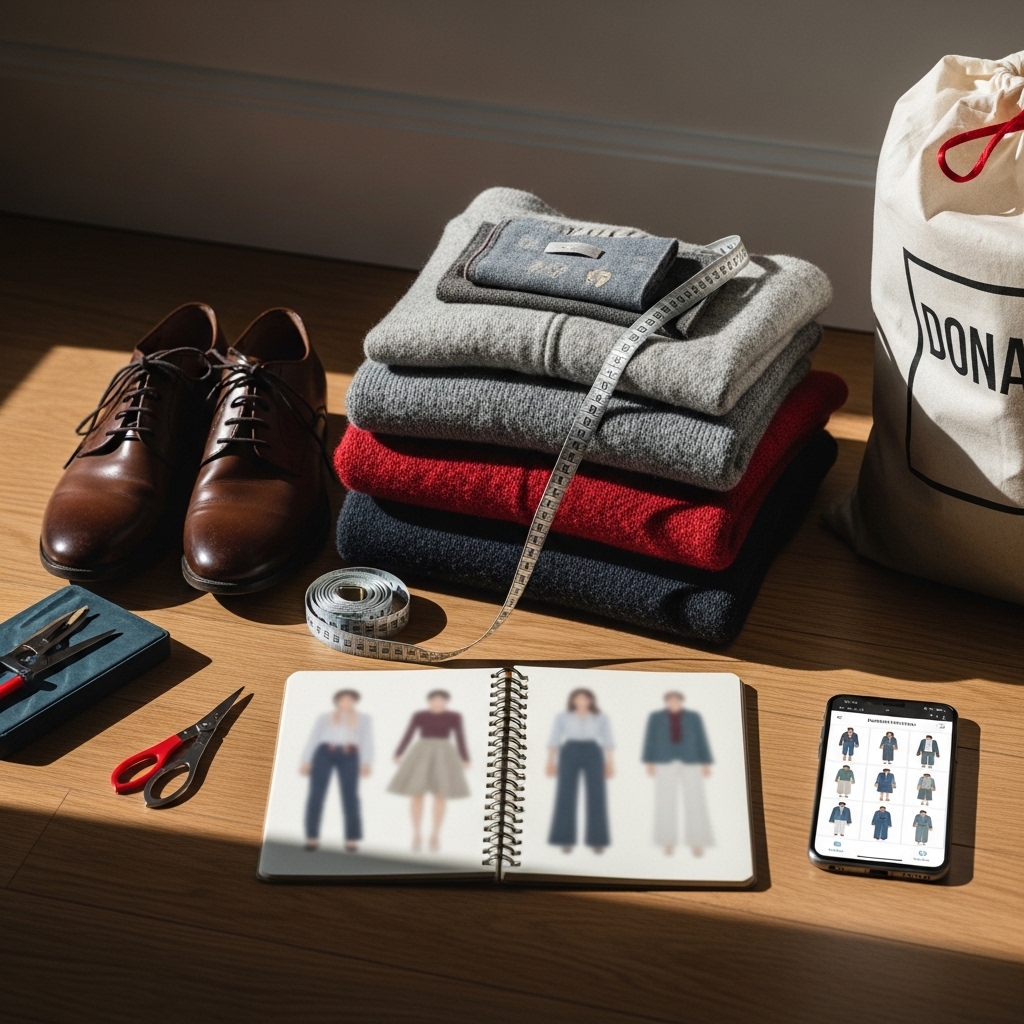
Building one requires editing before buying. The first step is usually a wardrobe audit. Clothes should be sorted into four groups: items worn often, items that fit but need styling, items that need repair, and items that no longer serve a purpose. The audit should be honest but not cruel. Bodies change, jobs change, climates change and identities change. A smart wardrobe is not a museum of past selves.
The second step is identifying repeat outfits. People often underestimate the value of repetition. Wearing a reliable combination is not boring; it is efficient. Repetition builds personal style. The goal is not to impress strangers with constant novelty, but to feel prepared. A signature outfit can become a visual anchor.
The third step is setting rules for new purchases. Before buying, a shopper can ask: does this fit my current body, match at least three things I own, suit my real schedule, and fill a genuine gap? Waiting 24 hours before purchasing can reduce impulse buying. Keeping a wish list can reveal whether desire lasts beyond the moment. Buying less does not mean never buying. It means buying with evidence.
The fourth step is investing selectively. Not every item needs to be expensive. T-shirts, trend accessories and seasonal pieces can be affordable if they are used well. But items that carry an outfit — coats, shoes, trousers, bags, knitwear and tailoring — often deserve more attention. Quality should be judged by fabric, stitching, comfort, maintenance and how the garment behaves after repeated wear.
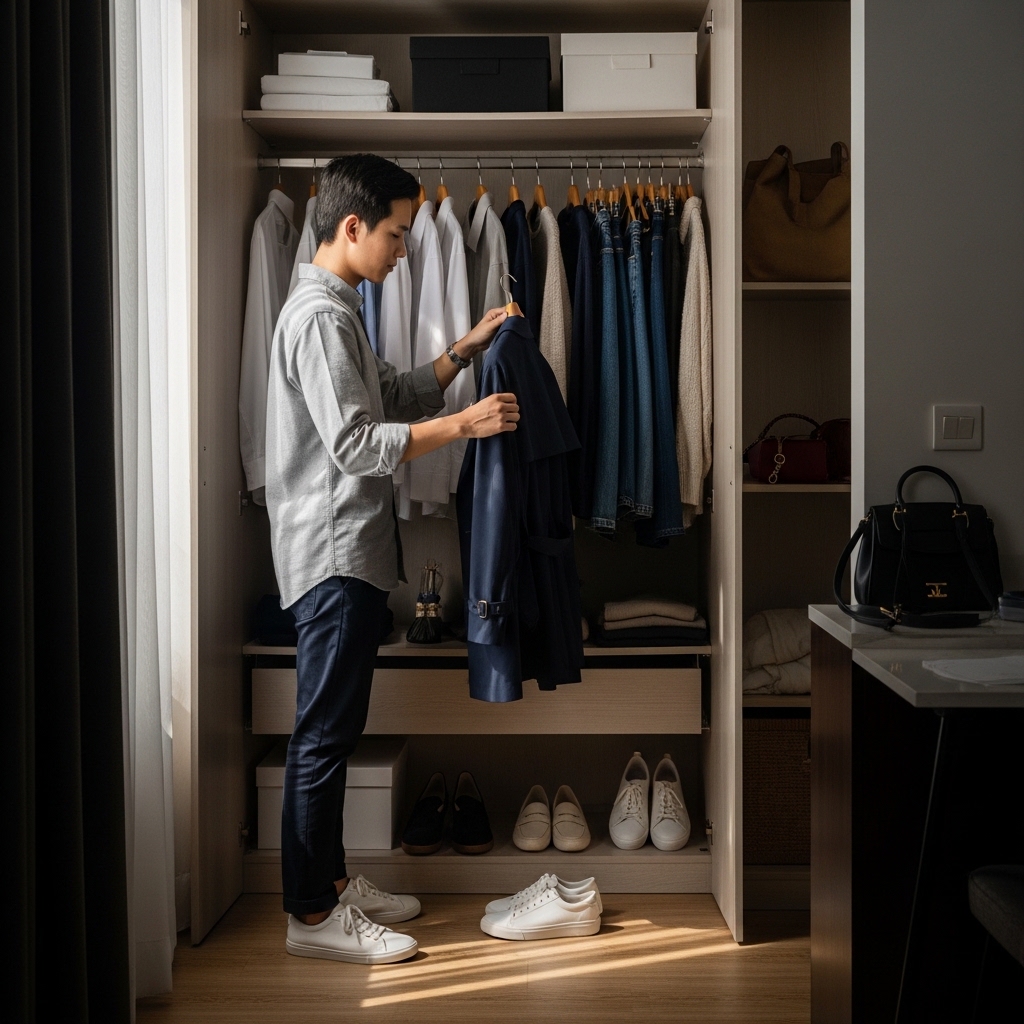
The smart wardrobe is especially relevant in dense cities, where living space is limited and daily life demands flexibility. A smaller closet can make apartments feel calmer. It can also reduce the morning anxiety of choosing what to wear. In that sense, the trend belongs not only to fashion, but to lifestyle design. It reflects a wider desire to own less noise and more value.
There are limits. A smart wardrobe can be marketed as another form of consumption, with people pressured to throw everything away and buy a new “capsule.” That misses the point. The most sustainable wardrobe usually begins with what already exists. The smartest purchase may be a tailor visit, a shoe repair, a missing belt or simply no purchase at all.
The future of style may therefore be quieter than the last decade suggested. It may rely less on hauls, micro-trends and overflowing closets, and more on repeatable formulas, better care and personal clarity. Fashion will always involve fantasy, pleasure and change. But the smart wardrobe restores balance. It reminds consumers that style is not the act of owning everything. It is the skill of choosing well.
A closet with fewer pieces can still hold more possibility. When every garment has a role, every outfit becomes easier, and every purchase has a reason. In a world of endless options, restraint may be the most modern luxury.