A quieter version of minimalist living is gaining ground as people seek meaning, calm and control in a world of constant consumption.
Minimalism used to be easy to recognize. It appeared as white walls, empty shelves, capsule wardrobes and apartments photographed so cleanly that they seemed almost uninhabited. The message was often simple: own less, discard more, free yourself from things. For some people, that approach was liberating. For others, it felt severe, unrealistic or even privileged — a lifestyle easier to perform than to sustain.
A different kind of minimalism is now taking shape. It is less about getting rid of everything and more about deciding what deserves space in a life already crowded by work, screens, advertising, financial pressure and emotional fatigue. The new minimalism is not an aesthetic of emptiness. It is a practice of intention.
This shift reflects a broader change in consumer culture. After years of online shopping, fast fashion, subscription services, influencer marketing and pandemic-era home accumulation, many households are confronting a simple fact: owning more has not always made life feel richer. Closets are full, storage units are rented, digital carts are saved, and yet many people feel more anxious, not more satisfied. At the same time, inflation and economic uncertainty have made careless spending harder to justify. The result is a quieter reassessment of what people buy, keep and value.
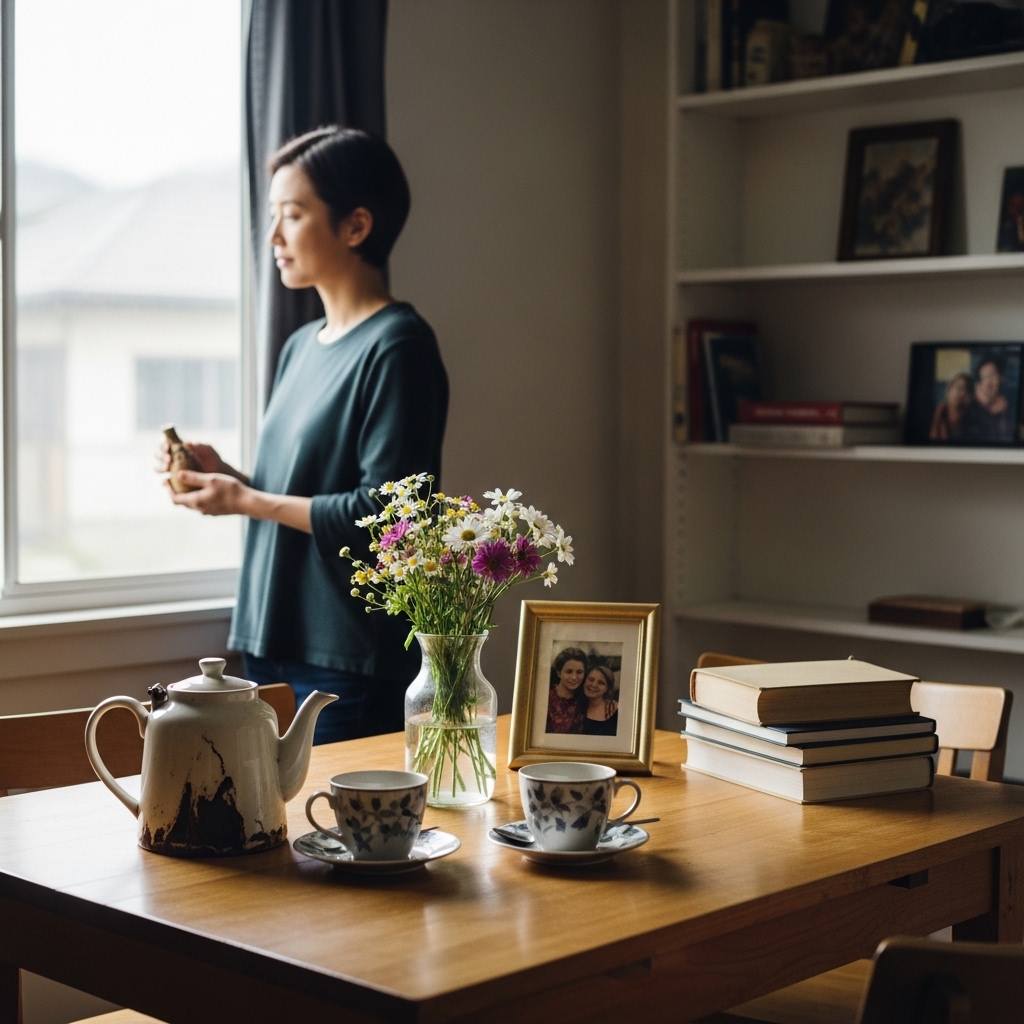
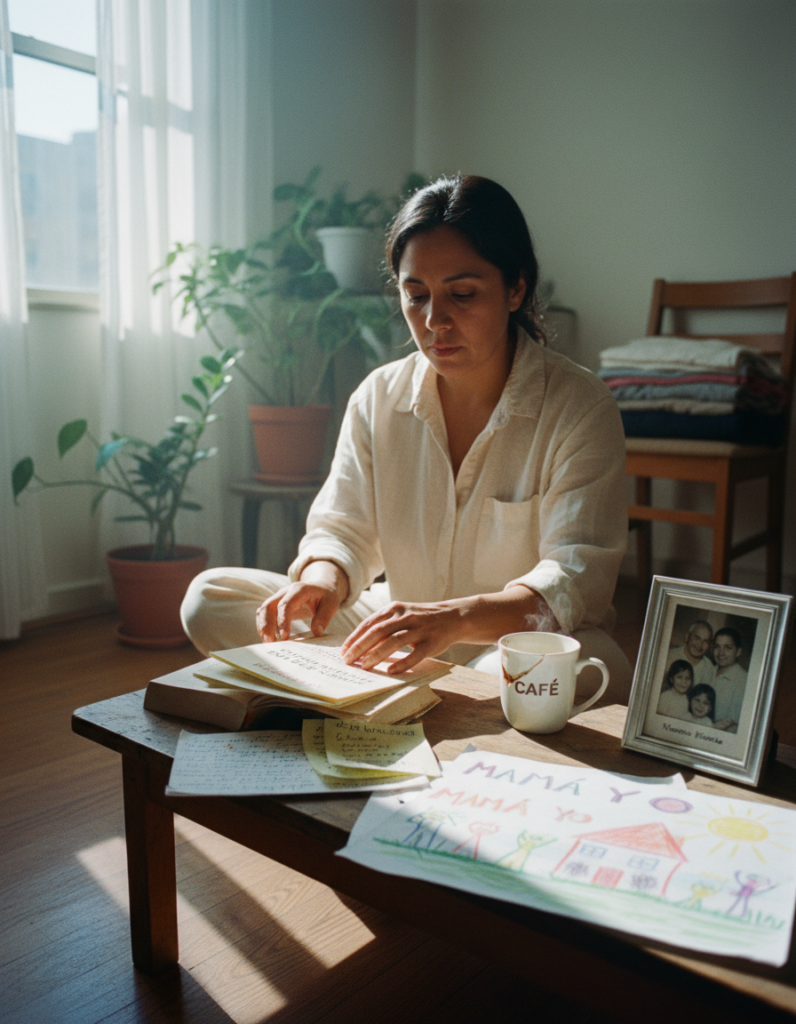
Unlike earlier versions of minimalism, the new movement does not demand that every object be beautiful, expensive or perfectly curated. It allows for memory, culture, family and imperfection. A chipped bowl from a grandmother may stay. A child’s drawing may stay. A crowded bookshelf may stay if the books are loved and used. The point is not to reduce life to a showroom. The point is to remove what distracts from living.
That distinction matters. Traditional decluttering advice often begins with subtraction: take everything out, sort it, donate it, throw it away. New minimalism begins with attention. What do I actually use? What gives me comfort? What reflects who I am now, rather than who I used to be or who advertising tells me to become? What am I keeping out of guilt, fear or habit?
The answers can be surprisingly emotional. Objects are rarely just objects. They carry memories, aspirations and identities. A suit may represent a former career. A box of baby clothes may hold the ache of time passing. Kitchen gadgets may symbolize the kind of host someone once hoped to become. Souvenirs may preserve travel, love or loss. This is why decluttering can feel less like cleaning and more like biography.
The new minimalism recognizes that emotional complexity. It does not ask people to treat every possession as clutter. It asks them to distinguish between meaningful attachment and silent burden. A home can hold history without becoming a museum. A person can honor the past without storing every item connected to it. Keeping one object with deep meaning can be more powerful than keeping twenty that blur together.
This approach is especially relevant in an age of digital overconsumption. The clutter of modern life is not only physical. It is also inboxes, cloud storage, unread newsletters, screenshots, unused apps, open tabs, notifications and algorithmic noise. Many people now feel overwhelmed not because they own too many chairs, but because their attention is constantly being claimed. Minimalism has therefore moved beyond the closet. It has become a question of mental space.
A person practicing new minimalism may unsubscribe from promotional emails, delete shopping apps, limit social media, reduce impulse purchases or set a waiting period before buying nonessential items. These acts are small, but they restore a sense of agency. They interrupt the cycle in which desire is manufactured instantly and satisfaction fades quickly.
Financial pressure has also changed the meaning of minimalism. In earlier lifestyle branding, minimalism could look like buying fewer but better things, often at premium prices. That version was criticized for turning simplicity into another form of consumption. The new minimalism is more practical. It may mean repairing instead of replacing, borrowing instead of buying, cooking with what is already in the pantry, or choosing not to upgrade a phone that still works. The emphasis is not perfection. It is sufficiency.
For younger consumers, this can become a quiet form of resistance. Many grew up surrounded by targeted advertising and social comparison. They have watched trends rise and vanish within days. They have seen closets fill with clothes bought for a single post and homes filled with objects ordered for convenience. Minimalism, in this context, is not a rejection of beauty or pleasure. It is a refusal to let every insecurity become a transaction.
The environmental argument is also becoming harder to ignore. Overconsumption carries costs beyond the household: waste, emissions, packaging, labor exploitation and resource extraction. But the new minimalism tends to be most persuasive when it begins at the human scale. People may first reduce consumption because they are tired, broke or overwhelmed. The environmental benefit follows. A lifestyle that begins as self-protection can become a form of sustainability.
Still, minimalism can be misunderstood. It should not become a moral ranking system in which people with fewer objects are treated as more enlightened. Many households keep items because replacing them would be expensive. Families with children, multigenerational homes, disabled people, artists, cooks, tradespeople and migrants may need or value more things than a single professional living alone. A sewing kit, medical device, religious object, tool collection or box of documents may look like clutter to an outsider but serve a real purpose.
This is why the new minimalism is less prescriptive. It is not about a universal number of possessions. It is about alignment. Does the space support the life being lived inside it? Does the object earn its place through use, beauty, memory or meaning? Does the purchase reflect a real need or a passing urge? These questions are more useful than any fixed rule.
Businesses are beginning to notice the change. Consumers are asking harder questions about durability, repairability, transparency and value. Some brands respond by emphasizing quality and longevity. Others use minimalist language as marketing while continuing to encourage constant buying. The contradiction is obvious: a company can sell a minimalist aesthetic while still depending on overconsumption. Shoppers are learning to distinguish between simplicity as a design style and simplicity as a life practice.
Homes are also being redesigned around this idea. The goal is no longer merely to hide clutter in better containers. It is to reduce the need for constant management. A functional entryway, a smaller wardrobe, a clear kitchen counter or a dedicated place for important papers can change the rhythm of daily life. Organization is not the same as minimalism, but the two often overlap. When fewer unnecessary objects compete for attention, the useful ones become easier to find.
The psychological appeal is clear. A calmer physical environment can make daily decisions feel lighter. Fewer clothes can make mornings easier. Fewer digital notifications can improve focus. Fewer financial leaks can reduce anxiety. Fewer symbolic obligations can create emotional room for the relationships and activities that matter most.
But minimalism is not a cure-all. A tidy home cannot solve low wages, housing insecurity, burnout or loneliness. It can become unhealthy if it turns into obsession or shame. The healthiest version is flexible. It allows seasons of abundance and disorder. It understands that life changes: babies arrive, relatives move in, grief disrupts routines, work becomes intense, illness changes capacity. A meaningful life is not always a neat one.
That may be the most important difference between old and new minimalism. The older image often seemed to ask, “How little can you own?” The newer question is, “What helps you live well?” That question makes room for warmth, memory and personal history. It allows a home to be simple without being empty, edited without being cold, peaceful without being performative.
In the end, the new minimalism is not a war against possessions. It is a defense of attention. It asks people to stop treating space, money and time as endlessly available. It challenges the belief that every problem can be solved by buying something new. It invites a slower, more deliberate relationship with objects and with the self.
To keep only what matters is not to live with nothing. It is to live with recognition. The useful mug. The worn jacket. The family photograph. The tool that still works. The book that changed something. The table where people gather. The objects that remain are not proof of discipline; they are evidence of care. In a culture built to produce endless wanting, that may be the most radical simplicity of all.