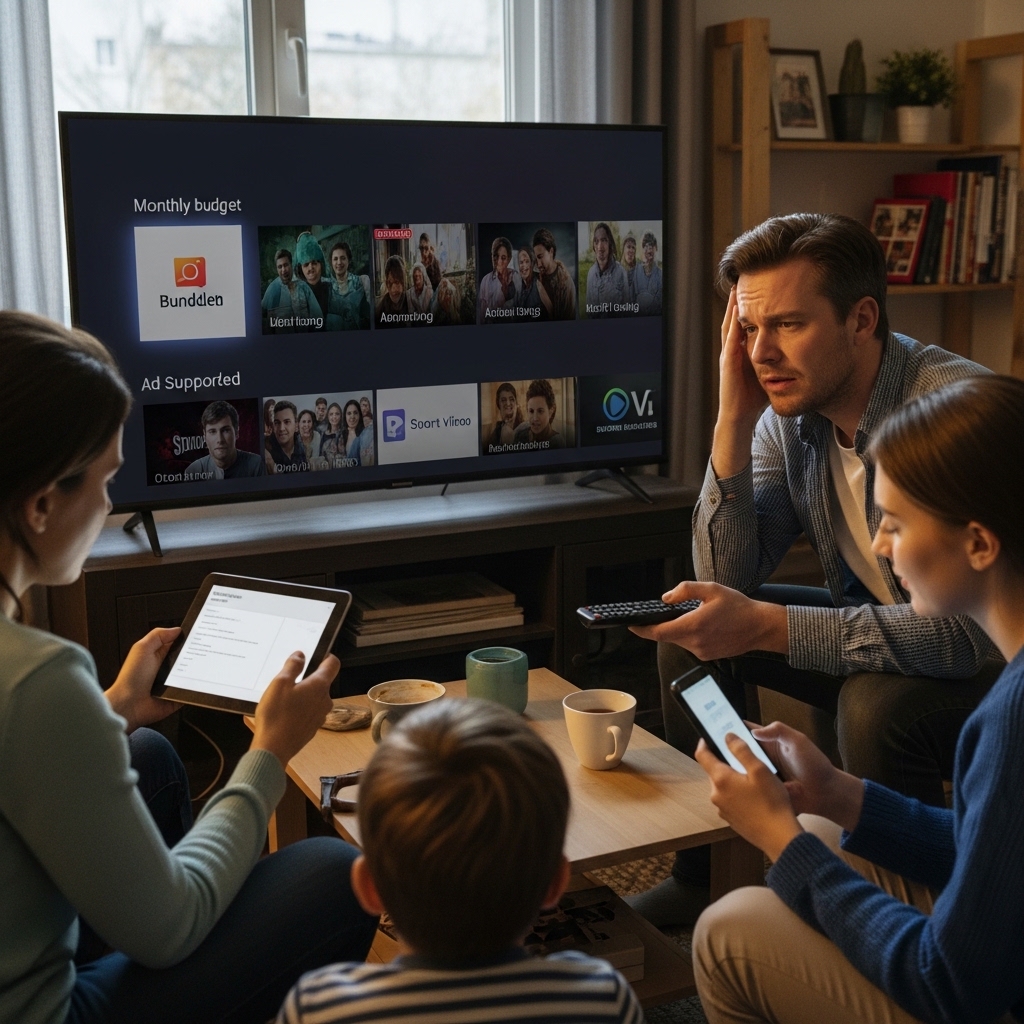
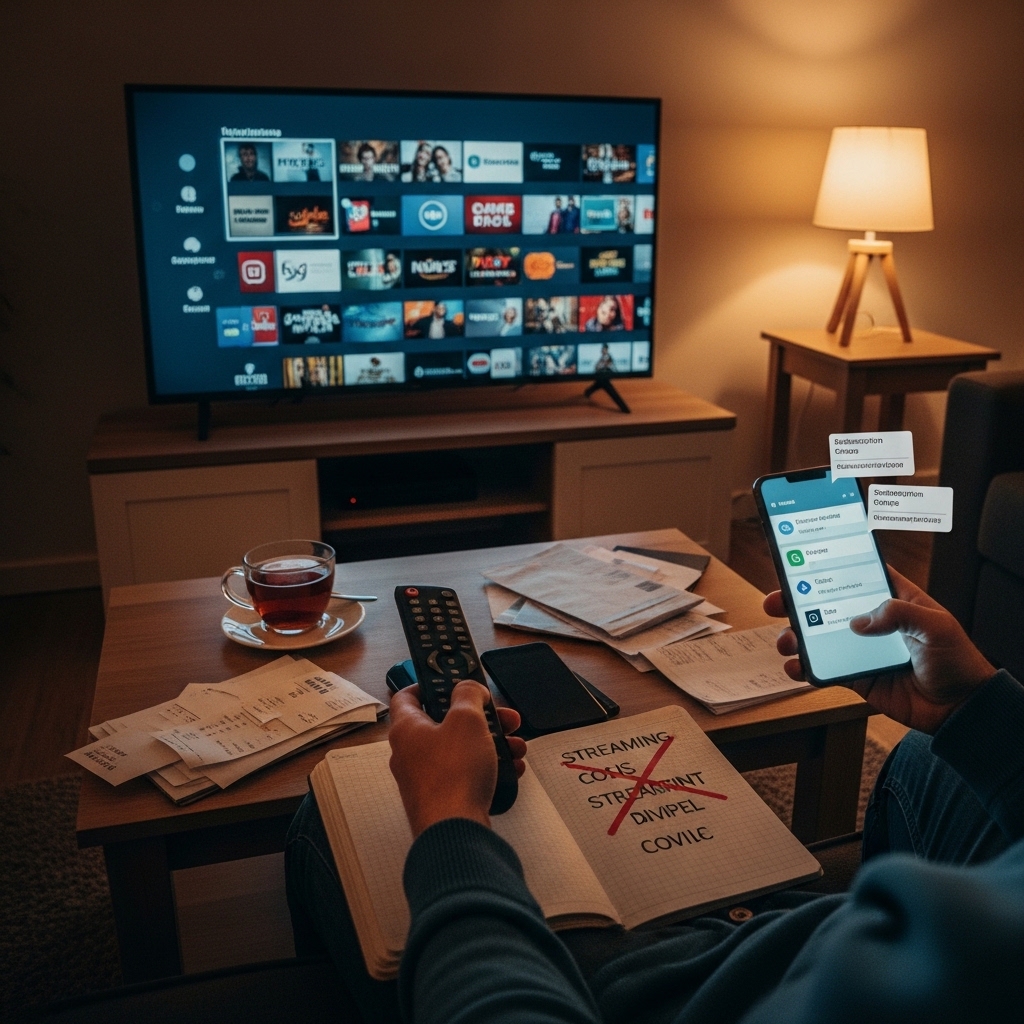
What began as a cheaper, simpler alternative to cable has become a crowded marketplace of rising prices, fragmented catalogs and constant decisions.
Streaming was supposed to make television easier. For a monthly fee, viewers could watch what they wanted, when they wanted, without cable boxes, fixed schedules or long contracts. The promise was freedom: fewer ads, lower costs, better choice and instant access. For a while, the promise felt real.
By 2026, that promise has become more complicated. Streaming is now the dominant way many people watch entertainment, but it is also a source of frustration. Viewers are paying for multiple services, tracking rotating catalogs, navigating password restrictions, accepting more advertising and still discovering that the one show, sport or movie they want is somewhere else. The convenience revolution has created its own form of exhaustion.
The problem is not that people have stopped watching. They are watching more than ever across televisions, phones, tablets and laptops. Nielsen reported that streaming reached a major milestone in May 2025, when it accounted for 44.8 percent of U.S. television viewing and surpassed the combined share of broadcast and cable for the first time. Streaming has won the attention battle in many households. The issue is that winning attention has not necessarily produced a better experience for the viewer.
The first source of fatigue is cost. A single subscription can still feel affordable. Five or six subscriptions, plus internet service, sports add-ons, premium tiers and family accounts, begin to resemble the cable bill that streaming once promised to replace. Price increases have become common as platforms search for profitability after years of expensive growth. Introductory discounts disappear. Annual plans renew quietly. A household may not notice the total until the monthly charges stack up.
This is why many viewers have become subscription managers. They join a service for one series, cancel after the season ends, return later for a new release and repeat the process elsewhere. Some call it “churn.” For users, it is a survival strategy. Instead of loyalty, streaming has trained audiences to treat platforms as temporary utilities. The emotional relationship is no longer with the service; it is with a specific show, franchise, sport or creator.
The second source of fatigue is fragmentation. In the early streaming era, viewers could often find large libraries in one or two places. Now major studios, technology companies and sports leagues have pulled content into separate ecosystems. A film series may be split across platforms. A beloved sitcom may vanish from one app and appear on another. A live match may require a service that carries nothing else the viewer wants.
Fragmentation turns entertainment into research. People search across apps, check availability, compare tiers, ask friends, browse online guides and sometimes give up. The old cable bundle was expensive and rigid, but at least it collected many channels in one place. Streaming unbundled that system, then slowly began rebuilding it through bundles, partnerships and aggregator interfaces. The industry is now trying to solve a problem it helped create.
The third source is choice overload. Streaming catalogs are enormous, but abundance does not always feel satisfying. Many viewers spend more time scrolling than watching. Recommendation systems promise personalization, yet they often repeat the same genres, push platform priorities or bury older titles. The viewer sees thousands of options and still says, “There is nothing to watch.”
This is not a lack of content. It is a lack of clarity. Traditional television had schedules, channels and shared moments. Streaming replaced those structures with menus. Menus are useful when the viewer knows what they want. They are tiring when the viewer wants guidance, surprise or a sense of event. The paradox of streaming is that unlimited choice can make leisure feel like work.
The fourth source of fatigue is the return of advertising. One of streaming’s early selling points was the escape from commercial breaks. That era is fading. As subscription growth slows and companies seek new revenue, ad-supported tiers have become central to the business model. For some viewers, lower-priced ad plans are welcome. They make services more affordable. For others, the return of advertising feels like a broken promise.
The frustration is not only that ads exist. It is that consumers are paying and watching ads at the same time. In the cable era, that was normal. Streaming taught users to expect something different. Now the industry is asking viewers to accept a hybrid model: pay less and watch ads, or pay more to avoid them. Many households choose ads because budgets are tight, but the psychological shift is real. Streaming feels less like a premium escape and more like television under a new interface.
The fifth source is password restrictions and household complexity. Platforms argue that account sharing reduced revenue and prevented investment in new content. Viewers often see the restrictions differently. Families are more complicated than billing systems: children live between homes, students move to college, relatives share accounts across cities, and couples manage multiple devices. When platforms tighten access, some legitimate users feel punished.
This has changed the emotional tone of streaming. A service that once felt flexible can begin to feel monitored. Login codes, household verification, device limits and location rules may make business sense, but they add friction. In a market built on convenience, friction is dangerous.
The sixth source is the decline of shared cultural moments. Streaming allows individual freedom, but it can weaken collective viewing. When everyone watches different shows at different times on different platforms, fewer programs become universal conversation. Some events still break through: major sports, hit dramas, reality finales, global franchises and true-crime phenomena. But the overall culture is more fragmented.
This matters because entertainment is social. People do not only watch stories; they talk about them, quote them, recommend them and build identity around them. When the audience is scattered, discovery becomes harder and fandom becomes more niche. That can be positive for specialized communities, but it also makes the media landscape feel noisy and unstable. A series can dominate online discussion for a week and disappear the next.
The seventh source is competition from social video. Streaming platforms are not only competing with one another. They are competing with YouTube, TikTok, Instagram, Twitch, podcasts, games and creator-led media. Younger viewers often move fluidly between professionally produced shows and user-generated content. A 40-minute prestige drama must compete with a creator’s daily vlog, a live gaming stream, a short comedy clip or a video essay.
This changes expectations. Social platforms are free or low-cost, constantly refreshed and algorithmically tuned. They offer intimacy and speed. Traditional streaming services offer higher production values but often at higher prices and slower release cycles. Viewers are asking a basic question: how much value does another subscription really provide?
The eighth source is trust. Viewers increasingly suspect that platforms are designing systems around investor needs rather than audience experience. Shows are canceled abruptly. Finished content disappears for tax or licensing reasons. Prices rise after customers are locked into favorite series. Apps change interfaces. Libraries shrink without clear explanation. Consumers may still subscribe, but loyalty weakens when they feel treated as data points rather than fans.
For the industry, the challenge is serious. Streaming companies need profits. Producing premium content is expensive. Sports rights are costly. Technology infrastructure, marketing and global expansion require capital. The era of spending heavily to gain subscribers at almost any cost is over. Platforms must now prove that streaming can be not only popular, but financially sustainable.
That pressure explains many of the changes viewers dislike: higher prices, ads, bundles, password enforcement and tighter content strategies. From a business perspective, these moves are rational. From a consumer perspective, they can feel like streaming is becoming the very thing it disrupted.
The next phase of streaming is likely to look more bundled, more ad-supported and more personalized. Companies will try to package services together to reduce cancellations. They will use artificial intelligence to improve recommendations, advertising and content localization. They will lean on franchises, live sports, reality formats and global hits because those categories reduce risk. They will also experiment with shorter seasons, cheaper production models and creator partnerships.
For viewers, the response is already clear. They are becoming more selective. They cancel faster, rotate subscriptions, tolerate ads when necessary and compare entertainment options more carefully. The passive subscriber is being replaced by the strategic subscriber. People still love stories, sports and shared entertainment, but they are less willing to pay endlessly for access that feels scattered and uncertain.
Streaming fatigue does not mean streaming is failing. It means streaming has matured. The easy growth phase is over. The industry can no longer rely on novelty. It must compete on value, simplicity, trust and emotional connection.
The original promise of streaming was not merely digital delivery. It was a better relationship with entertainment. Viewers wanted control without confusion, choice without overload and affordability without hidden complexity. In 2026, the companies that remember that promise may keep audiences. Those that forget it may discover that in a world of endless content, the hardest thing to win is not a subscription. It is patience.