As global luxury slows and social attitudes shift, wealthy consumers are turning away from loud logos toward discretion, craftsmanship and a subtler language of status.
The new sign of wealth may be how little it announces itself.
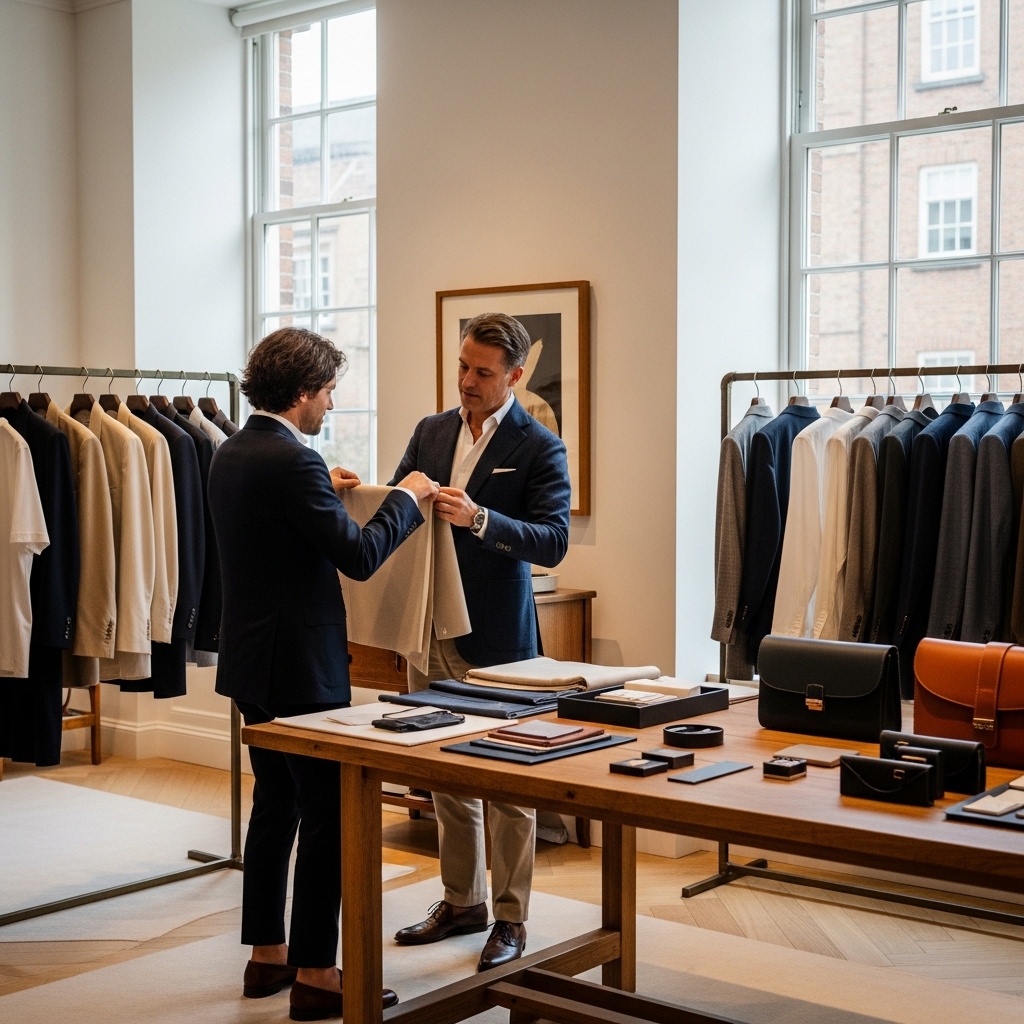
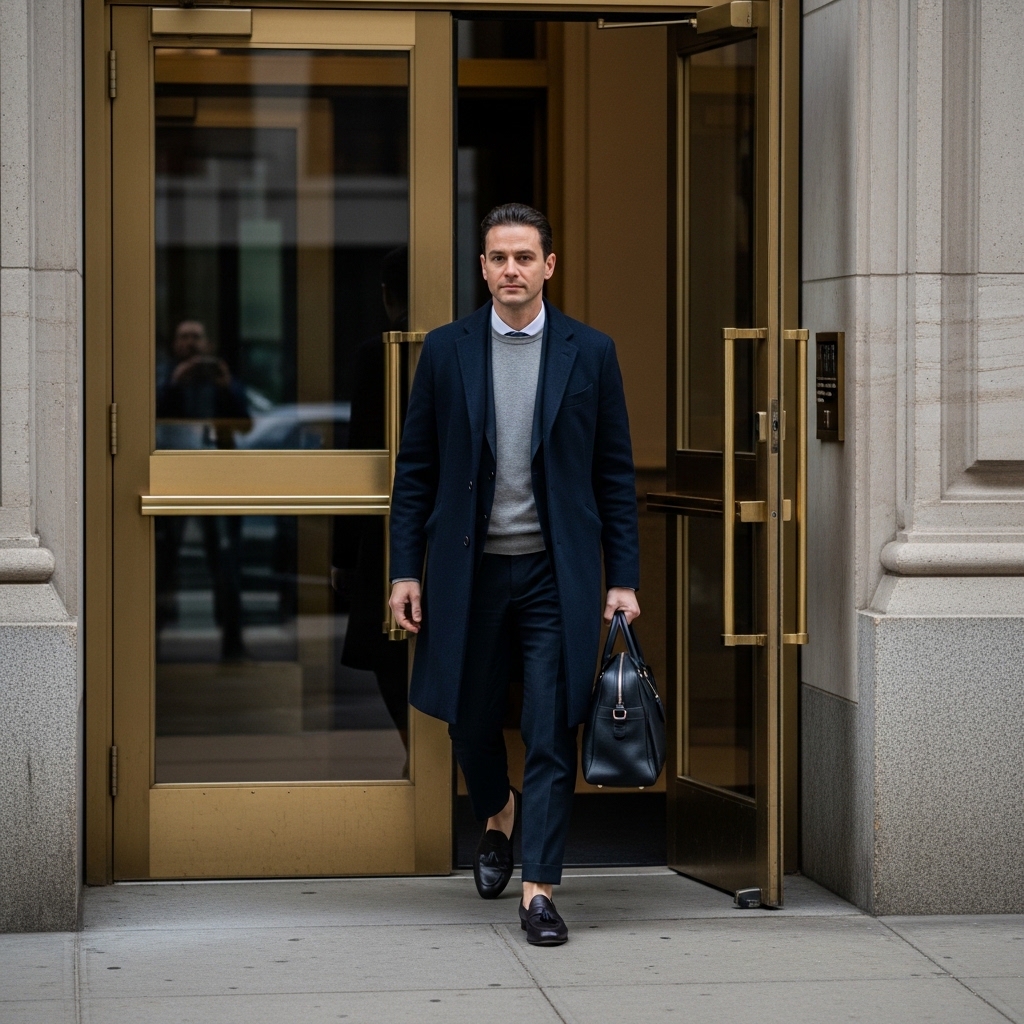
Across fashion capitals, private clubs, business lounges and expensive neighborhoods, a familiar form of luxury is being rewritten. The monogrammed handbag, oversized logo belt and instantly recognizable sneaker have not disappeared. But among many affluent consumers, especially those with durable wealth, the more desirable signal is increasingly quiet: a cashmere coat with no visible branding, a perfectly cut navy blazer, a handmade leather bag recognized only by insiders, a watch whose value is known to collectors rather than strangers.
The trend has been called “quiet luxury,” “stealth wealth” and the “old money aesthetic.” Each term captures part of the same cultural movement: the preference for high-quality goods that avoid obvious display. It is not anti-luxury. It is luxury made less public.
In 2026, the appeal of quiet luxury is being reinforced by several forces at once. The global luxury industry is facing slower growth, economic volatility and more selective consumers. Fashion executives are navigating a difficult environment shaped by tariffs, shifting demand, weaker consumer sentiment and a search for operational discipline. Major groups such as LVMH and Kering have emphasized brand desirability, product quality and tighter strategy as the sector adjusts to a more demanding market. In that environment, understated luxury has become more than an aesthetic. It is a business response to fatigue, uncertainty and changing ideas of status.
The first reason wealthy consumers are embracing discretion is simple: obvious luxury has become too visible.
For two decades, social media turned status into performance. Influencers, celebrities and aspirational shoppers helped make luxury goods part of the global attention economy. Logos functioned as shorthand. A handbag, shoe or watch could communicate taste, spending power and belonging within seconds on Instagram, TikTok or a city sidewalk. Brands benefited enormously from that visibility, and many still do.
But when a signal becomes too common, it loses some of its force. The same logo that once marked exclusivity can begin to feel mass-produced when it appears across airports, shopping malls and social feeds. Wealthy buyers who want distinction often move in the opposite direction of mass recognition. Quiet luxury allows them to separate themselves from both counterfeit culture and overt aspiration. The less a product needs to shout, the more it suggests that its owner does not need public confirmation.
That is why the style depends on insider knowledge. A plain coat from The Row, a Loro Piana knit, an Hermès bag without obvious hardware, a Brunello Cucinelli suit or a bespoke Savile Row jacket may look understated to most observers. To those who know, the fabric, cut, handwork and price are unmistakable. Quiet luxury is not the absence of signaling. It is signaling to a narrower audience.
The second driver is economic mood. Periods of uncertainty often change how wealth is displayed. When inflation, layoffs, geopolitical tension and market instability shape public life, conspicuous consumption can appear tone-deaf. For executives, heirs, founders and high-net-worth professionals, discretion can be both personal taste and social risk management. The richest consumers may still spend heavily, but they may prefer purchases that appear prudent, durable and timeless rather than flashy.
This is especially true in cities where inequality is visible. A luxury item that attracts attention can also attract criticism, resentment or safety concerns. In some markets, wealthy shoppers have become more cautious about wearing easily identifiable watches or jewelry in public. Quiet luxury offers a form of protection. It lets wealth remain present without becoming a target.
The third reason is cultural fatigue. After years of maximalism, hype drops and logo-heavy collaborations, many consumers are tired of fashion that feels disposable even when it is expensive. The quiet luxury wardrobe promises the opposite: fewer pieces, better materials, longer use. A camel coat, white shirt, black loafer, tailored trouser or leather tote does not need to be replaced every season to remain acceptable. In an industry criticized for overproduction and waste, timelessness has moral appeal as well as aesthetic appeal.
That does not mean quiet luxury is automatically sustainable. Expensive clothes can still be wasteful, and minimalist branding does not guarantee ethical supply chains. But the language of durability gives wealthy consumers a more defensible way to spend. Buying one costly coat meant to last for years sounds more responsible than buying ten trend-driven items meant for display.
There is also a generational dimension. Younger affluent consumers, including founders, investors and professionals shaped by technology culture, often prefer status symbols that align with competence rather than glamour. In Silicon Valley, understated clothing has long been part of the power uniform. In finance, private equity and family offices, discretion can communicate seriousness. In creative industries, minimalism can signal taste. Quiet luxury fits a world in which the richest person in the room may not want to look like the richest person in the room.
The rise of “Succession,” the television drama that turned muted billionaire dressing into a mainstream topic, helped popularize the language of stealth wealth. But the trend predates the show and extends beyond fashion. It is visible in interiors with natural stone, soft lighting and no obvious ornament; in travel built around privacy rather than spectacle; in wellness retreats that avoid celebrity flash; in cars whose performance exceeds their visual aggression; and in restaurants where exclusivity is communicated by reservation difficulty rather than gold décor.
Luxury, in other words, is moving from visibility to access. The truly expensive thing is often not the item but the environment around it: privacy, time, space, security, health, education, clean air, quiet rooms and freedom from crowds. A logo can be bought. Silence is harder to obtain.
This helps explain why quiet luxury resonates so strongly with the rich. For people with enough money, the rarest goods are no longer always material. They are conditions. A private entrance, a discreet adviser, a custom fitting, a house far from public view, a school with small classes, a medical appointment without delay, a vacation without being photographed — these are forms of luxury that do not need branding.
For brands, the movement creates both opportunity and risk. Houses built on craftsmanship, heritage and refined materials can benefit from a consumer shift toward substance. Specialist labels and heritage makers may find new audiences among shoppers who want credibility rather than spectacle. But the trend is difficult to scale without contradiction. Once quiet luxury becomes a mass-market aesthetic, it risks becoming another visible code. Beige cashmere, soft tailoring and logo-free bags can become as imitative as the logos they replaced.
That is already happening. Fast-fashion and mid-market brands have adopted the look, offering “old money” capsules, minimalist coats and neutral wardrobes at lower prices. This democratizes the appearance of quiet luxury while weakening its exclusivity. The result is a paradox: the richer quiet luxury becomes as a cultural symbol, the more loudly it is discussed, copied and marketed.
The wealthy response may be to move even further inward, toward custom goods, rare materials, private labels, vintage pieces and services that cannot be easily replicated. The future of status may belong less to what can be photographed and more to what requires context: who made it, how it was sourced, how long it lasts, who else can access it, and whether it carries a story known only to a few.
There is a political edge to the trend as well. Quiet luxury can look tasteful, but it does not erase inequality. In some ways, it makes inequality harder to read. A society accustomed to identifying wealth through visible excess may struggle when wealth becomes more discreet. The absence of logos can appear modest, even when the outfit costs more than a month’s salary for many workers. Stealth wealth is still wealth.
That tension is part of why the trend fascinates people beyond the luxury market. Quiet luxury reflects a broader anxiety about class in an age of exposure. Social media has made wealth more visible than ever, but the truly wealthy often prefer invisibility. The public sees influencers unboxing luxury goods, while older money may avoid public display altogether. The result is a split between aspirational luxury and protected luxury: one built for attention, the other built to escape it.
Still, the movement is not only about class defense. At its best, quiet luxury represents a genuine appreciation for design, materials and restraint. It rewards proportion over novelty, touch over logo, longevity over hype. It suggests that elegance can be measured by how well something serves a life rather than how quickly it attracts a camera.
The trend is likely to endure because it answers several needs at once. It helps wealthy consumers signal taste without appearing desperate for attention. It protects privacy in an age of surveillance and social judgment. It offers brands a path back to craftsmanship during a luxury slowdown. It gives consumers a language of durability in a world tired of waste. And it turns discretion itself into the ultimate privilege.
The irony is that quiet luxury has become one of the loudest conversations in fashion. But its core message remains simple: for the rich, being noticed is no longer always the point. In a crowded, anxious and overexposed world, the most powerful luxury may be the ability to choose when not to be seen.