
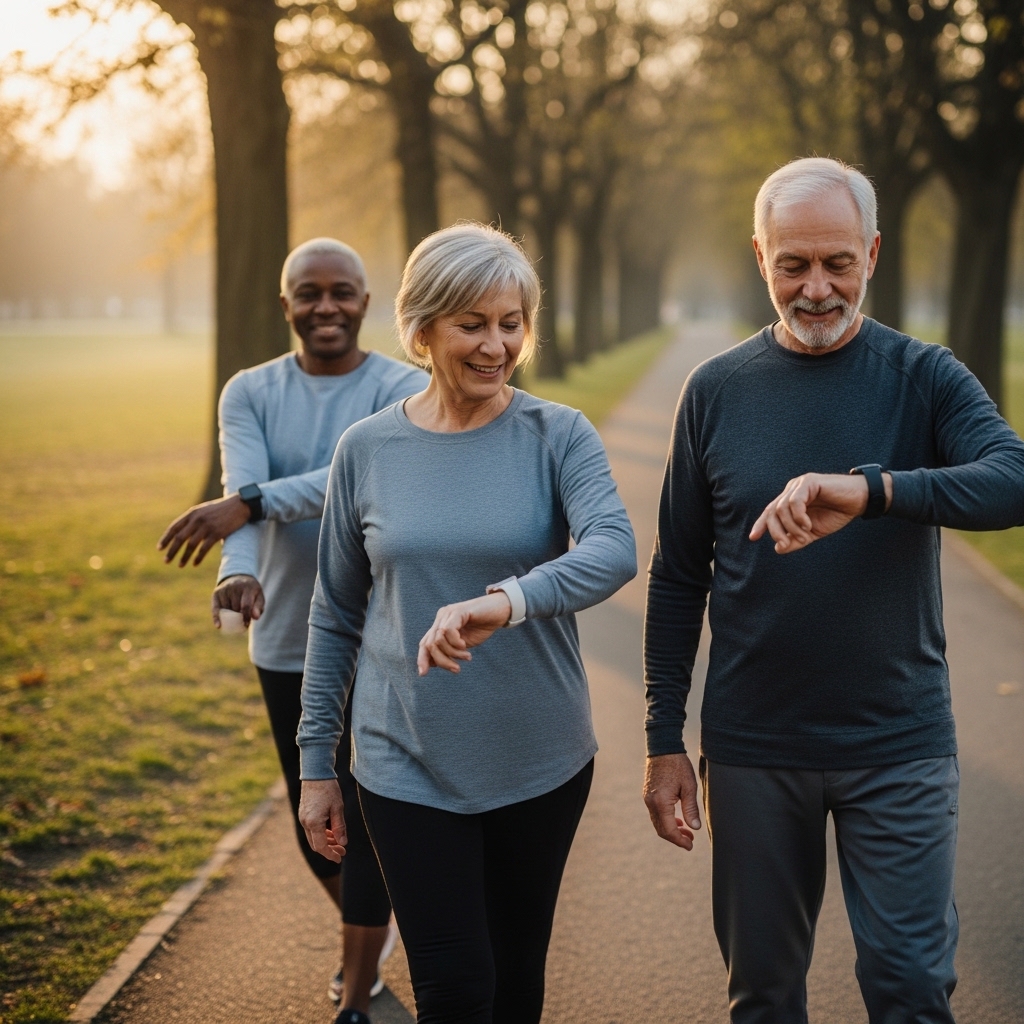
As societies age and chronic disease rises, the new goal of longevity science is shifting from adding years to life toward adding healthier, more independent years to those years.
For much of modern medicine, the great triumph was survival.
Vaccines, antibiotics, surgery, sanitation, safer childbirth, emergency care and treatments for heart disease and cancer helped millions of people live longer than previous generations could have imagined. In many countries, reaching old age is no longer unusual. Grandparents see grandchildren grow. Patients survive diseases that once killed quickly. The human lifespan has been extended by science, public health and prosperity.
But a more difficult question is now moving to the center of medicine, economics and daily life: what kind of years are those extra years?
That question is why the word “healthspan” has entered the mainstream. Healthspan generally refers to the period of life spent in good health, with enough physical, mental and social capacity to live independently and meaningfully. It is often contrasted with lifespan, which simply means the total number of years a person lives. A person may live to 90, but if the final 20 years are dominated by severe pain, frailty, dementia, disability or repeated hospitalization, the lifespan is long while the healthspan is much shorter.
The distinction is simple, but its implications are enormous.
The world is aging rapidly. More people are living into their 70s, 80s and 90s, and many countries are redesigning health systems, pension plans, housing, transport and labor markets around that reality. Longer life can be a historic achievement. It can also become a burden if it means decades of preventable illness, loneliness and dependence. The goal of healthspan is not immortality. It is compression of suffering: delaying disease and disability so that people remain active for as much of life as possible.
This is a major shift in how society thinks about aging. Old age was once treated as a period defined mainly by decline. Today, researchers and public health officials increasingly describe healthy aging in terms of function. The World Health Organization defines healthy aging as maintaining the functional ability that enables well-being in older age. That includes the ability to meet basic needs, move around, make decisions, maintain relationships and contribute to society. In other words, health is not only the absence of disease. It is the ability to live a life one has reason to value.
Healthspan matters because chronic disease often arrives long before death. Heart disease, diabetes, arthritis, cancer, stroke, chronic lung disease, depression and dementia can erode quality of life for years. Some conditions are treatable, but treatment alone is not the same as health. A person may survive a heart attack but lose mobility. A patient may control diabetes but develop kidney disease. An older adult may avoid death after a fall but never fully regain independence.
The central ambition of healthspan science is to intervene earlier.
That means looking beyond late-stage treatment and asking how disease risk accumulates across decades. Blood pressure in middle age, sleep habits, muscle strength, diet quality, air pollution exposure, social connection, stress, education, income and access to care all shape later-life health. Healthspan is therefore both biological and social. It depends on cells, organs and genes, but also on neighborhoods, food systems, work conditions and whether people can afford preventive care.
Longevity researchers are studying the biology of aging itself, including inflammation, cellular senescence, mitochondrial function, DNA damage, metabolic dysfunction and immune decline. The hope is that targeting these mechanisms could delay several age-related diseases at once, rather than treating each disease separately after it appears. This is the scientific frontier that has attracted universities, biotech companies, investors and large research prizes.
But the most powerful healthspan tools available today are not futuristic.
Regular physical activity remains one of the clearest ways to extend healthy years. Strength training helps preserve muscle and bone, reducing the risk of falls and frailty. Aerobic exercise supports the heart, brain and metabolism. Good sleep helps regulate hormones, immune function and cognition. A diet rich in minimally processed foods, fiber, vegetables, legumes, nuts, whole grains and adequate protein supports metabolic health. Not smoking, limiting alcohol, maintaining social relationships, treating hearing and vision problems, managing blood pressure and staying mentally engaged all contribute to healthy aging.
None of these habits is glamorous. All are difficult to sustain in environments built around stress, sedentary work, cheap ultra-processed food and unequal access to care. That is why healthspan cannot be reduced to individual willpower. A person cannot easily exercise in an unsafe neighborhood. A worker with two jobs may not sleep enough. A family living far from clinics may miss preventive screening. A healthy-aging agenda must include public policy, not only personal discipline.
This is where the healthspan debate becomes political and economic. Longer life with poor health is costly for families and governments. It increases demand for hospitals, long-term care, disability support and unpaid caregiving. It can remove older adults from the workforce earlier than necessary and place pressure on younger relatives. By contrast, longer healthspan allows people to remain independent, work if they choose, care for others, volunteer and participate in community life.
For employers and governments, healthspan is becoming a productivity issue. For families, it is an emotional one. Many people fear not death itself, but years of losing memory, mobility, dignity or control. They want to age without becoming invisible. They want more time, but not at any cost.
The rise of healthspan also explains the popularity of wearable devices, preventive testing, personalized nutrition, continuous glucose monitors, sleep tracking and longevity clinics. Some of these tools are useful. Others risk exaggerating what current science can prove. The market is full of supplements, biological-age tests and anti-aging claims that move faster than evidence. Consumers should be cautious. A lower “biological age” score from one test does not necessarily mean a longer or healthier life. No pill has yet been proven to make humans dramatically younger.
The strongest version of the healthspan movement is not a luxury wellness trend for the rich. It is a public health project. It asks how to give more people a fair chance at healthy years, not only how to help wealthy consumers optimize biomarkers. That means earlier prevention of chronic disease, better primary care, cleaner air, safer housing, healthier food, vaccination, fall prevention, dementia support, mental health care and accessible spaces for movement and social connection.
It also means changing how medicine measures success. A cancer therapy that extends life matters. So does whether the patient can walk, eat, sleep, think clearly and enjoy time with family. A diabetes drug may lower glucose. So does preventing blindness, kidney failure and foot amputations. A society may boast high life expectancy. But if many citizens spend their final decades sick and isolated, the achievement is incomplete.
The future of healthspan will likely combine old and new approaches. Traditional public health will remain essential: prevention, screening, vaccination, education and equitable care. At the same time, new science may produce drugs, diagnostics and devices that identify risk earlier or slow biological deterioration. Artificial intelligence may help doctors predict disease before symptoms appear. Wearables may track recovery, sleep and heart patterns. Regenerative medicine may improve damaged tissue. But technology will only improve healthspan if it reaches people before illness becomes irreversible and if it is used with humility.
There is also a philosophical dimension. Healthspan does not mean everyone must chase peak performance forever. Aging is not a failure. Bodies change. Loss is part of life. The goal is not to turn every older person into an athlete or to shame those who become ill. The goal is to protect capacity, choice and dignity for as long as possible.
That may be why the idea has resonated so widely. “Living longer” sounds like a number. “Living healthier” sounds like a life.
A longer lifespan can give people more birthdays. A longer healthspan can give them more mornings when they can get out of bed without fear, more walks taken without pain, more meals shared with friends, more years of remembering names, holding grandchildren, working with purpose, traveling, learning, laughing and deciding for themselves how to spend their time.
The healthspan movement is ultimately a correction to an incomplete victory. Medicine helped humanity add years to life. The next challenge is to make those years worth living.
“””

