
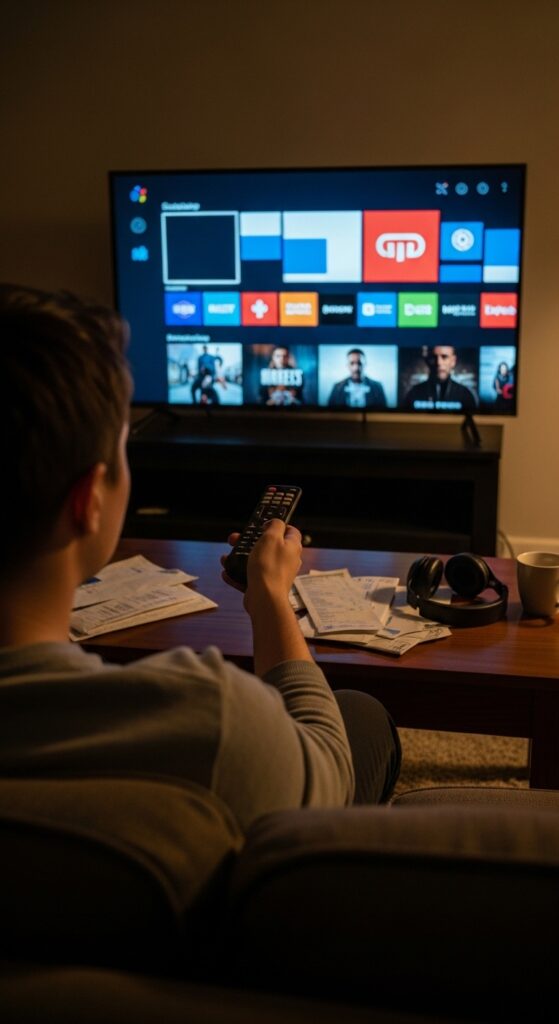
After years of rapid expansion, the streaming business is shifting from subscriber growth to profitability, advertising and tighter control over content spending.
Streaming once promised to free television from schedules, cable bundles and national borders. It delivered much of that promise. Viewers can now watch dramas, documentaries, sports and films on demand across phones, televisions and tablets. But the streaming revolution has entered a harder phase.
The question facing the industry is no longer whether audiences will stream. They already do. The question is whether the business can remain profitable while viewers grow more price-sensitive and content costs continue to rise.
For years, major platforms treated subscriber growth as the most important measure of success. They invested billions in original programming, acquired global rights and expanded into new markets. The result was a historic boom in production. Writers, actors, directors and technicians found new opportunities as streaming platforms competed to fill libraries.
That boom also produced financial strain. Expensive series could disappear after one season if they failed to attract enough attention. Films made for streaming sometimes lacked the cultural impact of theatrical releases. Consumers, facing a growing number of subscriptions, began to cancel and restart services depending on which shows were available.
The industry has responded with a new strategy. Subscription prices have increased. Password-sharing rules have tightened. Advertising-supported tiers have become common. Bundles are returning in new forms, bringing streaming closer to the cable packages it once challenged.
Advertising is especially important. Platforms that once sold themselves as ad-free now see commercials as a path to revenue growth. For consumers, cheaper ad-supported plans may be attractive. For companies, advertising allows them to earn from viewers who would not pay higher subscription fees. For advertisers, streaming offers targeted access to audiences who have moved away from traditional television.
But the shift also changes the viewing experience. Streaming originally appealed to many people because it felt cleaner and more controlled than broadcast television. The return of advertising risks frustrating some subscribers. Platforms must balance revenue with convenience, especially as competition remains intense.
Sports rights have become another battleground. Live sports are among the few forms of entertainment that still command immediate attention. Streaming companies are increasingly competing with traditional broadcasters for games, tournaments and leagues. Sports can reduce cancellations because fans follow seasons, not individual episodes. But rights are expensive, and the competition can drive costs even higher.
International content remains a major opportunity. Streaming has helped Korean dramas, Spanish thrillers, Japanese animation and Indian films reach global audiences. Local productions can travel faster than ever before. However, making content for dozens of markets requires cultural knowledge, regulatory compliance and careful spending.
The creative community has mixed feelings. Streaming expanded opportunity but also changed compensation. Residual payments, transparency and the use of data have become major issues. Writers and actors want to know how successful shows are and how that success translates into pay. The labor disputes of recent years reflected a deeper conflict over who benefits from digital distribution.
The viewer is both empowered and overwhelmed. There is more choice than ever, but finding something to watch can feel exhausting. Algorithms guide recommendations, but they can also bury smaller titles. A platform’s greatest challenge may be not producing content, but making audiences care about it.
Streaming is not collapsing. It has become a permanent part of entertainment. But it is maturing, and maturity brings discipline. The era of unlimited spending is fading. The next era will reward platforms that can combine scale, profitability, strong brands and genuine creative identity.
The revolution that began by replacing television is now becoming television’s successor in a more complicated form.”””
