
“””IDOL CULTURE AND THE GROWING POWER OF FANDOM
In the digital entertainment era, fans are no longer passive audiences but organized communities capable of building careers, shaping public opinion and influencing the business of fame.
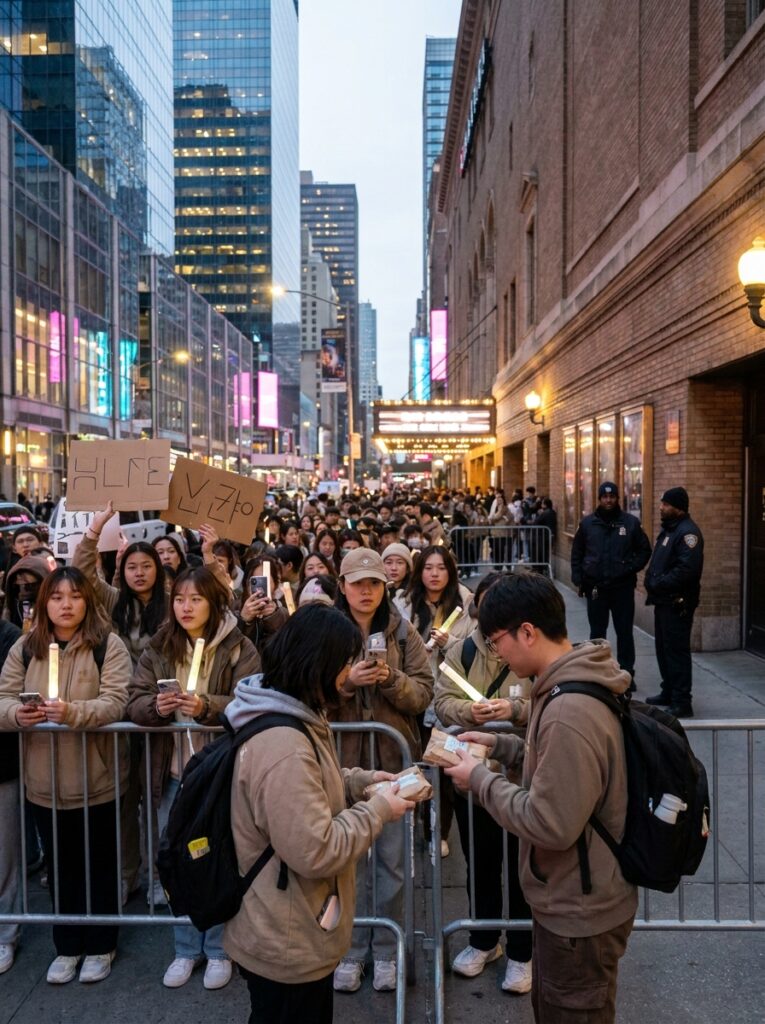
Idol culture has moved far beyond posters on bedroom walls and crowds outside concert venues. In today’s entertainment industry, it is a global system of emotion, identity, commerce and digital organization. Artists, actors, pop groups, streamers and public figures are no longer admired only through their work. They are followed through daily updates, livestreams, behind-the-scenes clips, fan edits, online debates and coordinated campaigns that can turn a performer into a worldwide symbol.
At the center of this transformation is fandom. A fandom is not simply a group of people who like the same artist. It is a community with its own language, customs, hierarchies, rituals and sense of belonging. Fans translate interviews, organize streaming parties, buy albums in bulk, defend artists during controversy, raise money for charity in an idol’s name and push hashtags across platforms. In many cases, they operate with a level of speed and discipline that resembles a political movement or a marketing agency.
This change has reshaped the meaning of fame. In the past, record labels, studios, broadcasters and newspapers played the dominant role in deciding who became famous. Those institutions still matter, but they now share power with millions of fans who can amplify content instantly. A song can rise because fans replay it across platforms. A film scene can become iconic because fan accounts circulate short clips. A new actor can gain international attention through edits made by viewers thousands of miles away.
Idol culture is especially visible in pop music, where artists are often presented not only as performers but as personalities. Fans follow their style, habits, friendships, public statements and even moments of silence. The emotional connection can be intense because idols are marketed as both extraordinary and accessible. They appear polished on stage but human in livestreams. They are distant enough to admire and close enough to feel familiar.
K-pop has become one of the clearest examples of this system, but it is not the only one. Similar dynamics exist around Japanese idols, Thai actors, Chinese pop stars, Bollywood performers, Latin music artists, Hollywood celebrities, anime voice actors, footballers and digital creators. The form changes by culture, but the pattern is recognizable: a public figure becomes the center of a shared emotional world, and fans help keep that world alive.
The positive influence of fandom is powerful. Fans can give artists longevity in an industry that often moves quickly from one trend to another. When a fandom is loyal, an artist may survive weaker releases, long breaks or hostile press coverage. Fans preserve old performances, introduce new listeners to earlier work and keep conversations active between official projects. This kind of support can turn a short burst of popularity into a lasting career.
Fandom also creates economic force. Concert tickets, albums, merchandise, streaming subscriptions, brand collaborations and tourism can all be shaped by organized fan behavior. A dedicated fanbase may influence where artists tour, which brands seek partnerships and how media companies measure value. In some markets, fandom can even boost local businesses, from cafes decorated around idol birthdays to travel linked to filming locations and music video sites.
The cultural influence can be just as significant. Fans often act as translators and cultural ambassadors. They explain lyrics, context, humor and social customs to international audiences. They create subtitles, essays, reaction videos and visual guides. Through this work, a local artist can become globally understandable. Fandom becomes a bridge between languages and markets.
There is also a social dimension. Many fans describe fandom as a place of friendship and emotional support. For young people in particular, joining a fan community can offer identity, creativity and belonging. They make art, write stories, edit videos, organize events and learn digital skills. In the best cases, fandom is not passive consumption but participation. It allows people to feel part of something larger than themselves.
Some fandoms have used their organization for public good. Fans have raised money for disaster relief, education, environmental causes and medical support. They have donated in the names of artists and turned celebrity admiration into civic action. These efforts show that fandom can become a form of collective responsibility, not merely entertainment.
But idol culture also carries risks. The emotional closeness between fans and idols can blur boundaries. Because social media allows constant access, some fans feel entitled to know every detail of an artist’s private life. Dating rumors, family issues, health struggles or personal mistakes can become public battles. The idol is expected to be talented, attractive, grateful, morally perfect and emotionally available at all times. That expectation is impossible to sustain.
The pressure on artists can be severe. Idols may be judged not only for their performances but for facial expressions, clothing, friendships and online activity. A brief absence from social media can generate speculation. A misunderstood comment can trigger a backlash. A relationship can be treated as betrayal by fans who have been encouraged to imagine personal closeness. In this environment, fame can become a form of surveillance.
Fandom can also become aggressive. Online fan wars are common when communities compete over chart positions, awards, sales or perceived disrespect. Support can turn into harassment of critics, journalists, rival artists or even other fans. Some fans believe they are protecting an artist, but their behavior may damage the artist’s reputation. A toxic fandom can make the public associate the idol with hostility, even when the artist has not encouraged it.
Another problem is commercialization. Entertainment companies understand the emotional power of fandom and often design products to maximize spending. Multiple album versions, limited photocards, exclusive events and paid messaging services can encourage fans to buy more than they can afford. For adult fans, this may be a personal choice. For younger fans, the pressure to prove loyalty through spending can become unhealthy.
The business of fandom depends heavily on metrics. Streams, views, likes, shares and chart positions become symbols of devotion. Fans may feel that supporting an idol means working constantly: voting, streaming, posting and defending. Enjoyment can turn into obligation. The language of love becomes tied to numbers, and the fan experience can become exhausting.
Idol culture also raises questions about authenticity. Fans often want to believe they know the real person behind the public image. But every idol’s image is partly constructed by agencies, stylists, managers, platforms and the artist’s own self-protection. This does not mean the connection is fake, but it is mediated. The danger comes when fans forget that the idol they love is both a real person and a public figure shaped by industry demands.
For society, the growing power of fandom reveals a broader shift in influence. Audiences no longer wait for cultural authorities to tell them what matters. They organize attention themselves. They can challenge media narratives, reward underrepresented artists and create global success from below. But they can also spread misinformation, punish dissent and intensify emotional conflicts.
The healthiest fandoms understand the difference between support and ownership. They celebrate artists without controlling them. They defend against unfair attacks without harassing others. They buy, stream and promote because they enjoy the work, not because loyalty must be proven every day. They remember that admiration should not erase privacy, humanity or critical thinking.
For artists and entertainment companies, the lesson is equally clear. Fandom is not just an audience segment. It is a living community with emotional power and economic influence. It must be respected, not exploited. Artists who communicate honestly, set boundaries and maintain consistency are more likely to build durable trust. Companies that treat fans only as wallets may create short-term profit but long-term resentment.
Idol culture is one of the defining features of modern entertainment. It can produce joy, creativity, friendship and cultural exchange. It can also produce pressure, conflict and obsession. Its influence will continue to grow because the digital world rewards connection, speed and participation.
The future of fame will not be shaped by artists alone. It will be shaped by the communities that gather around them, defend them, challenge them and carry their images across borders. In the age of fandom, popularity is no longer something audiences merely witness. It is something they help build.”””
