
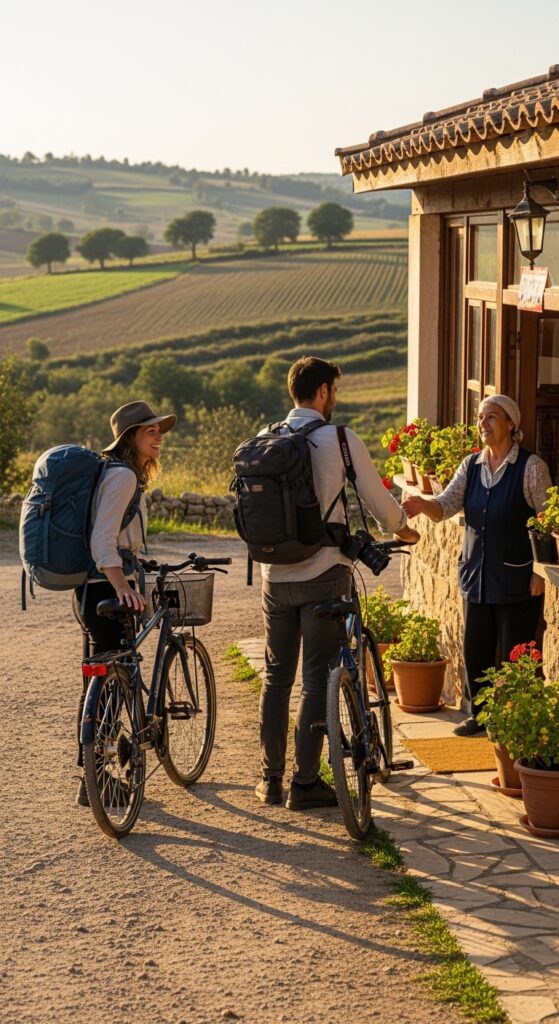
Travelers are increasingly seeking wellness, nostalgia, nature and connection as the industry responds to overcrowding and sustainability concerns.
Travel is no longer defined only by destinations. It is increasingly defined by feeling. Travelers want restoration, connection, memory, identity and stories they can carry home. The result is a lifestyle shift away from checklist tourism and toward experience-driven journeys.
Industry reports have pointed to several major travel trends, including nostalgia trips, real-life social connection, wellness travel and slower forms of exploration. Amadeus and Globetrender’s 2025 travel trends report described travelers seeking “Connections IRL” and revisiting meaningful places from earlier life stages. :contentReference[oaicite:7]{index=7}
The desire reflects a post-pandemic hunger for presence. Many people spent years postponing trips, missing family and living through screens. Travel has become a way to recover time, reconnect with people and mark life transitions. A journey is not simply leisure; it can feel like emotional repair.
Wellness travel is one of the strongest expressions of this change. Hotels and resorts are offering sleep programs, meditation, thermal bathing, fitness retreats, nutrition-focused menus and longevity services. Some travelers seek luxury. Others simply want quiet, nature and a break from digital pressure.
Nature-based travel is also growing. Hiking routes, farm stays, wildlife experiences and rural retreats appeal to people looking for space and authenticity. Condé Nast Traveler recently highlighted 2026 sustainability trends such as rewilding landscapes, eco-rewards, off-season travel and rural tourism, reflecting a broader move from reducing harm toward helping places regenerate. :contentReference[oaicite:8]{index=8}
But the industry faces a contradiction. The more people seek untouched places, the more those places risk being changed by tourism. Popular cities and natural sites struggle with overcrowding, rising rents and pressure on local infrastructure. Communities that benefit economically may also face cultural disruption.
This has made responsible travel more important. Travelers are being encouraged to visit outside peak seasons, support local businesses, respect cultural norms and choose lower-impact transport when possible. Some destinations are experimenting with visitor limits, fees and incentives for sustainable behavior.
Slow travel is gaining appeal. Instead of rushing through several cities in a week, some travelers prefer longer stays, train journeys and deeper local engagement. This style can reduce stress and sometimes lower environmental impact. It also fits remote-work lifestyles, though not all destinations welcome long-term digital nomads if they drive up housing costs.
Food has become central to travel identity. Markets, cooking classes, street food and regional agriculture allow travelers to experience place through taste. Dining is no longer an accessory to sightseeing; it is often the main reason for a trip.
Nostalgia travel is another rising pattern. People revisit childhood vacation spots, old honeymoon destinations or places linked to family history. In uncertain times, the past can feel emotionally valuable. Travel becomes a way to reconnect with personal memory.
Technology has changed planning and discovery. Social media can make unknown places famous overnight, but it can also produce overcrowding and unrealistic expectations. Artificial intelligence tools may help plan trips, translate languages and personalize itineraries, but they cannot replace local knowledge or spontaneous experience.
Cost remains a major limitation. Travel is a lifestyle aspiration, but inflation, airfares and hotel prices can restrict access. Many consumers are choosing shorter trips, domestic travel or off-season deals. The idea of meaningful travel does not always require distance; it may involve seeing a familiar place differently.
The future of travel will depend on balance. People will continue to seek beauty, escape and connection. Destinations will need tourism that supports local life rather than overwhelming it. The best travel may be less about how many places a person sees and more about how carefully they arrive.”””
