
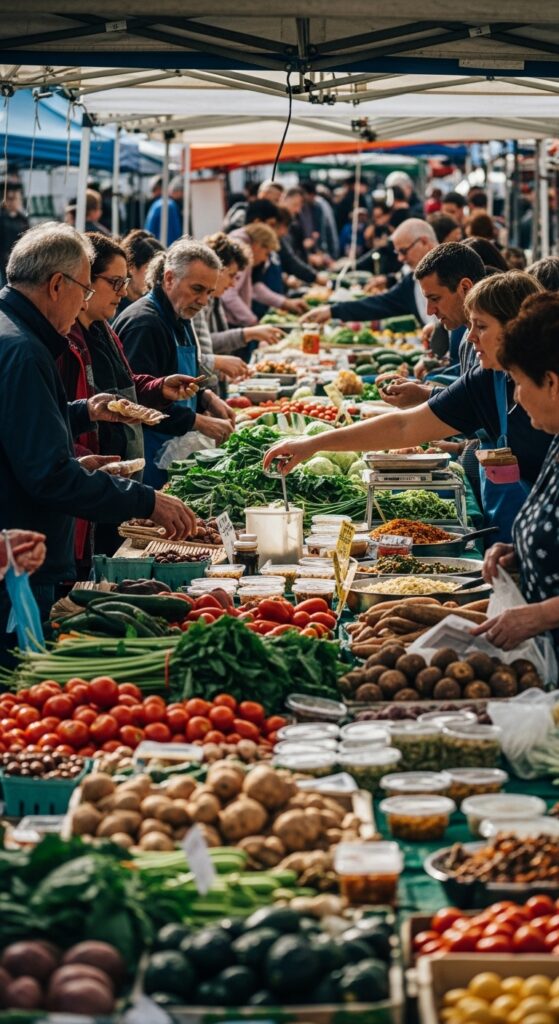
Modern eating habits are being shaped by wellness trends, inflation, technology and a renewed interest in local identity.
Food has always been more than nutrition. It is memory, status, comfort, family, religion, pleasure and identity. In modern lifestyle culture, it is also a battleground between health goals, economic pressure and convenience.
Consumers are more informed than ever, but not necessarily less confused. They hear about protein, gut health, plant-based eating, ultra-processed foods, blood sugar, organic farming and functional drinks. A supermarket aisle can feel like a health debate in packaged form.
The wellness boom has made food central to daily self-improvement. People are seeking meals that promise energy, focus, digestion, immunity and longevity. High-protein snacks, fermented foods, fiber-rich grains and low-sugar drinks have moved from niche markets into mainstream conversation. Yet many consumers still make decisions based on price and time.
Inflation has changed food culture. When household budgets are tight, people may cook more at home, search for discounts, reduce restaurant visits or choose cheaper ingredients. The result is not simply less consumption, but more strategic consumption. A home-cooked meal can be both an economic decision and a lifestyle statement.
Convenience remains powerful. Delivery apps, meal kits, ready-to-eat foods and frozen meals have reshaped expectations. Many people want healthy food but do not have the time, skills or energy to prepare it from scratch. The most successful food brands are often those that combine health language with speed.
Traditional and local foods are gaining renewed value. In many countries, younger consumers are rediscovering regional recipes, fermentation, ancestral grains and street-food cultures. This reflects pride in identity and resistance to a fully standardized global diet. It also aligns with interest in authenticity.
At the same time, global food culture spreads rapidly through social media. A drink, dessert or noodle dish can become internationally famous within days. Restaurants and home cooks adapt trends quickly. The result is a hybrid food culture in which local ingredients meet global formats.
Plant-based eating remains important but has become more nuanced. Some consumers are fully vegan or vegetarian. Many more are flexitarian, reducing meat without eliminating it. Plant-based meat alternatives have faced challenges in taste, price and perception, but vegetables, beans, grains and traditional plant-rich cuisines remain central to healthier and more sustainable eating.
Restaurants are adapting to lifestyle expectations. Menus increasingly include vegetarian options, allergen information, low-alcohol drinks and dishes designed for sharing. Dining out is not only about food but about atmosphere, photography, service and experience. A restaurant must taste good and feel meaningful.
Coffee and tea culture continue to expand as daily rituals. Specialty cafés serve as social spaces, remote work locations and markers of urban lifestyle. Matcha, cold brew, herbal infusions and functional beverages reflect the merging of pleasure and wellness.
The risk in modern food culture is moral pressure. Eating can become a source of anxiety, with people judging themselves for failing to follow ideal diets. Nutrition experts often warn that healthy eating must be sustainable, culturally appropriate and enjoyable. A perfect diet followed for two weeks matters less than a balanced pattern maintained for years.
Food inequality remains stark. Healthy options are easier to access for people with money, time and safe kitchens. Many communities face limited fresh food, high prices or work schedules that make cooking difficult. Lifestyle food trends can overlook these realities.
The future of food culture will likely be practical, personal and local. Consumers want meals that support health, fit budgets, respect identity and save time. The most powerful food trend may not be a single ingredient. It may be the desire to eat in a way that feels both nourishing and realistic.”””
