
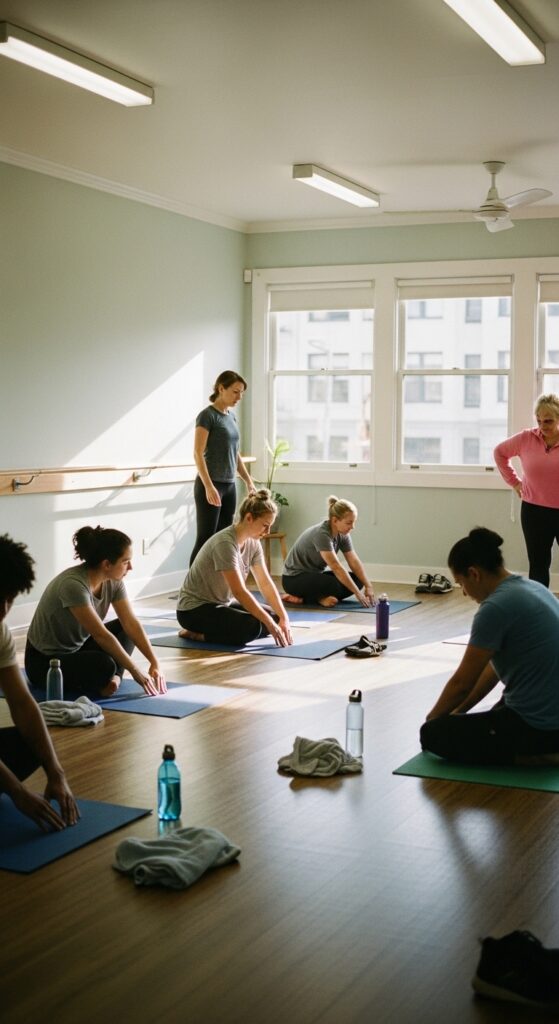
The wellness boom is expanding worldwide, but consumers are increasingly looking for practical health habits rather than expensive promises of transformation.
Wellness has become one of the most influential words in modern consumer culture. It appears on hotel menus, fitness apps, beauty products, office programs, food labels and travel packages. But behind the marketing is a deeper shift: many people are trying to manage stress, aging, chronic illness and uncertainty through daily habits.
The global wellness economy reached $6.8 trillion in 2024, according to the Global Wellness Institute, and the organization forecast continued growth toward the end of the decade. That scale shows that wellness is no longer a niche luxury. It is a global marketplace built around the desire to sleep better, eat better, move more, age more slowly and feel mentally steady. :contentReference[oaicite:3]{index=3}
The early image of wellness was often expensive: destination spas, luxury retreats, boutique fitness classes and premium supplements. Those sectors remain powerful. But the most important movement now may be toward fundamentals. Consumers are paying more attention to walking, strength training, sleep, hydration, balanced meals and stress reduction. The message is becoming simpler: health is not only a product to buy, but a routine to repeat.
This shift reflects fatigue with overcomplicated wellness culture. Many consumers have seen waves of miracle diets, extreme exercise plans and unproven supplements. They are becoming more cautious. Medical professionals often emphasize that the strongest evidence still supports ordinary habits: regular movement, nutritious food, adequate sleep, limited tobacco and alcohol, and preventive care.
Sleep has become a major lifestyle concern. Wearable devices track rest. Apps offer soundscapes and breathing exercises. Hotels advertise better mattresses and quiet rooms. Employers discuss burnout and recovery. The attention reflects a reality that many people feel exhausted, not only physically but mentally.
Mental wellness is also moving into the mainstream. Meditation, therapy, journaling, social connection and time outdoors are increasingly discussed as part of health. This does not mean everyone has access to quality mental health care. But it does show that the boundary between lifestyle and health care is becoming less clear.
Fitness is changing as well. High-intensity trends still attract loyal followers, but many people are turning toward strength training, mobility, walking, Pilates and lower-impact routines. Aging populations are helping drive interest in maintaining muscle, balance and independence. Exercise is being framed not only as a path to appearance, but as protection for long-term function.
Nutrition remains crowded and confusing. High-protein foods, plant-based diets, gut-health products and functional beverages compete for attention. Some products are useful. Others rely more on marketing than evidence. The strongest consumer trend may be a desire for food that is both healthy and convenient, a difficult combination in households with limited time.
Wellness tourism is growing as travelers seek rest, nature and personal reset. Hotels and resorts are adding meditation, thermal bathing, fitness programs and longevity services. But the industry faces a challenge: how to offer genuine restoration without turning health anxiety into another luxury product.
Inequality is the major contradiction. Wealthier consumers can buy organic food, gym memberships, therapy, quiet vacations and wearable health technology. Lower-income workers may face long hours, unsafe neighborhoods, poor sleep and limited access to fresh food. A society cannot market wellness successfully while ignoring the conditions that make wellness difficult.
There is also a risk of blaming individuals for systemic problems. Stress may be treated with an app when the real cause is job insecurity. Poor diet may be framed as weakness when healthy food is unaffordable. Wellness is most meaningful when it supports people rather than judges them.
The future of wellness may be less glamorous and more practical. Consumers are likely to reward brands, employers and communities that help them build sustainable habits rather than chase perfection. The strongest wellness promise may not be transformation. It may be something more modest and more valuable: a life that feels manageable.”””
