A new generation of competitors is building influence through authenticity, direct fan relationships and digital platforms long before championship trophies define their public value.
For decades, the athlete brand was built in a familiar order. First came elite performance, then media attention, then endorsements, then, for a select few, a carefully managed public identity shaped by agents, sponsors and broadcasters. Gen Z athletes are breaking that sequence. Many are building a brand while their careers are still forming, sometimes before they become household names in their own sport.
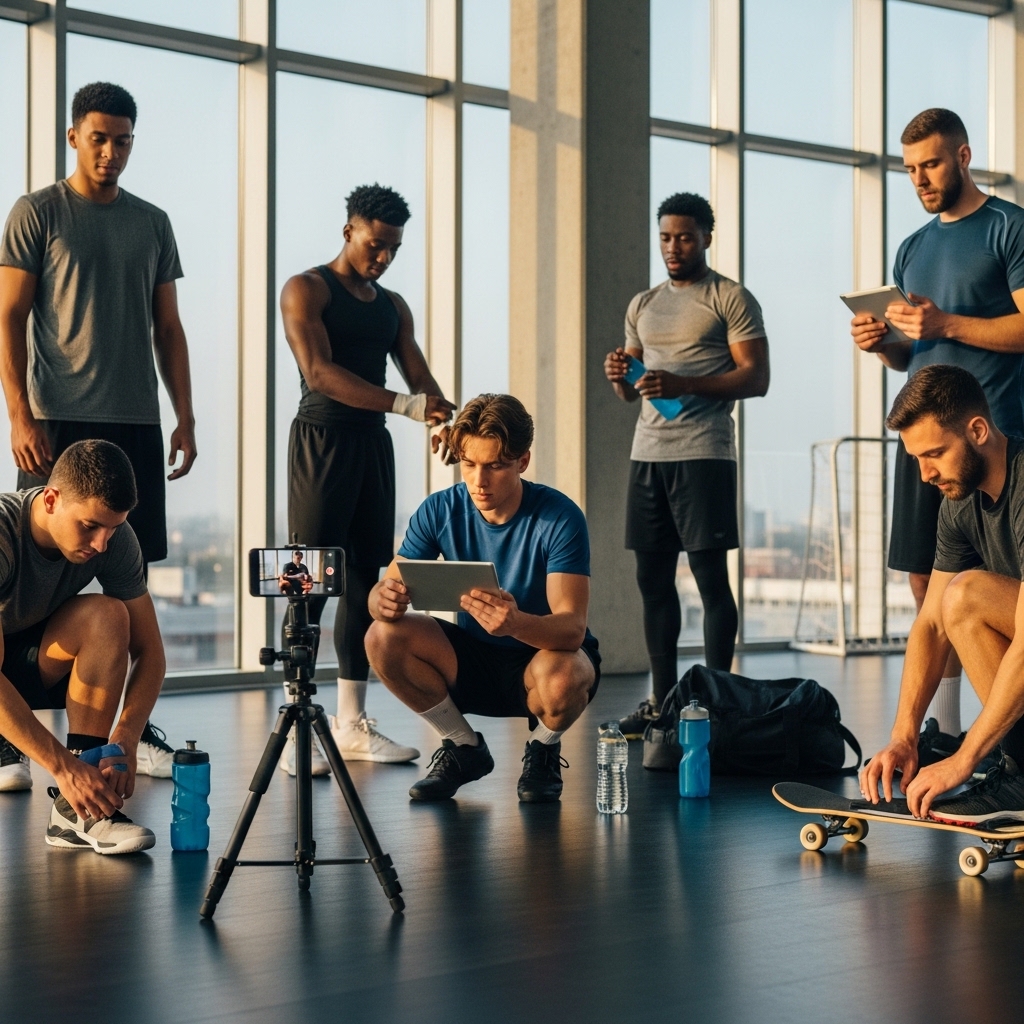
The change is visible across college athletics, Olympic sports, football, basketball, tennis, gymnastics, combat sports and emerging women’s leagues. Young athletes are no longer waiting for traditional media to introduce them to the public. They are using TikTok, Instagram, YouTube, Snapchat, Twitch and podcast platforms to show training sessions, recovery routines, locker-room humor, family relationships, mental-health struggles, fashion choices, meals, mistakes and ambitions. The result is a more intimate, less polished and often more commercially powerful version of sports celebrity.
This is not simply a social media trend. It is a structural shift in the economics of sport. In the United States, name, image and likeness rules have allowed college athletes to earn money from sponsorships, appearances and online influence. Globally, brands are also looking beyond the biggest professional stars to younger athletes with loyal niche audiences. A sprinter with 300,000 highly engaged followers, a college basketball player with a regional fan base or a teenage skateboarder with viral short-form videos may offer advertisers something that traditional sports marketing has struggled to produce: direct access to a specific, emotionally invested community.
Gen Z athletes understand that attention is not only earned on game day. It is accumulated through daily presence. A post from the gym, a brief video explaining a pregame ritual or a candid reflection after defeat can travel farther than a conventional press conference. The new athlete brand is less dependent on highlight reels and more dependent on narrative. Fans want to know not only who won, but who the athlete is, what they believe, what they wear, what music they listen to and how they respond when the result is disappointing.
That preference is changing the language of sports marketing. Authenticity has become one of the most valuable words in the industry, even if it is often overused. For younger fans, especially those raised inside creator culture, a scripted endorsement can feel weak compared with an informal video filmed from a phone. A polished advertisement may still matter, but it now competes with a behind-the-scenes clip that appears unscripted and personal. Brands are learning that Gen Z athletes can sell products not only because they are admired, but because their audiences feel they know them.
The shift is especially powerful for women athletes. Historically, women in sports received less broadcast coverage, fewer sponsorship dollars and narrower public narratives than men. Social platforms have helped some of them bypass those limits. Gymnasts, basketball players, soccer players, tennis prospects, runners and combat-sport athletes have used digital channels to create audiences that are larger than the coverage they receive from traditional outlets. Their influence can then become leverage: more followers can mean better deals, greater bargaining power and stronger arguments for media investment.
But the new model also creates pressure. Athletes are now expected to be performers, students, competitors, creators, entrepreneurs and public figures at the same time. The demand for constant content can collide with training, recovery and privacy. A young athlete who posts frequently may attract sponsorships, but also criticism, harassment and unrealistic expectations. A bad performance can quickly become a public referendum not only on athletic ability, but on personality, appearance or perceived priorities. The same platforms that create opportunity can turn into hostile arenas.
For coaches and teams, this has created a delicate balancing act. Some programs now encourage athletes to develop personal brands, seeing digital visibility as a recruiting advantage and revenue opportunity. Others worry about distraction, locker-room inequality and the difficulty of managing messages across dozens of individual accounts. A star player with major sponsorship deals may have a public profile larger than the team itself. That can strengthen a program’s visibility, but it can also change internal dynamics.
The most successful Gen Z athletes tend to treat branding as an extension of identity rather than a separate marketing exercise. They build around recognizable themes: discipline, humor, fashion, faith, activism, family, academic life, injury recovery or technical mastery. Some position themselves as elite competitors with a relentless work ethic. Others lean into relatability, showing awkward moments, ordinary routines and personal doubts. Many combine both. They understand that modern fans often connect through contrast: excellence on the field, vulnerability off it.
This is a departure from the older model of athlete image control, which often prized distance and perfection. Earlier generations were commonly trained to speak in careful clichés, avoid controversy and preserve mystique. Gen Z athletes are more likely to see silence as a missed opportunity. They have grown up watching creators turn personality into enterprise. For them, a direct relationship with followers is not an accessory to fame. It is part of the foundation.
That does not mean every young athlete wants to become an influencer. Many resist the label, fearing it diminishes their sporting achievement. They want recognition as competitors first, not content creators who happen to play a sport. That tension is central to the new era. The market rewards visibility, but athletic credibility still matters. A personal brand without performance can fade quickly. Performance without visibility may leave money and influence unrealized. The emerging challenge is to balance both without allowing one to damage the other.
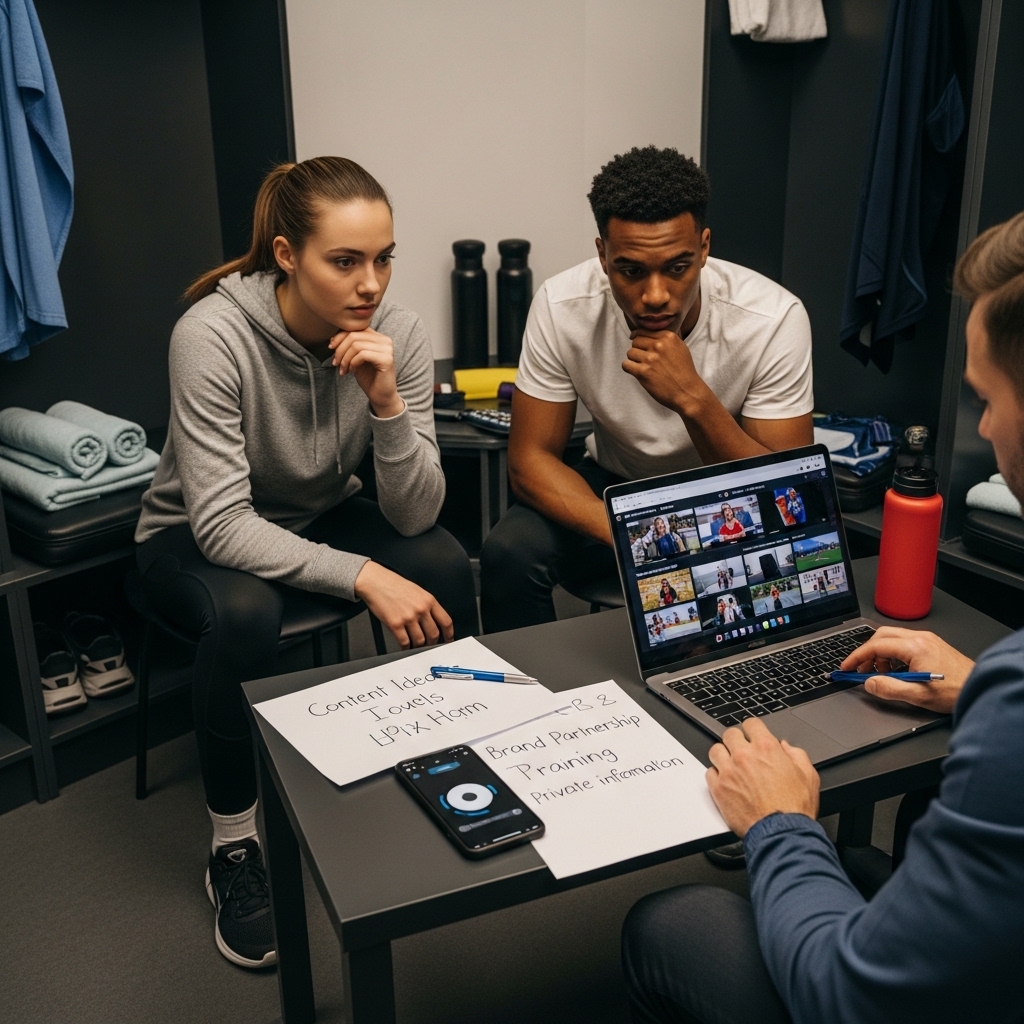
The business around these athletes is expanding quickly. Agencies, collectives, brand consultants, social media managers and content studios are increasingly working with athletes at younger ages. Some help negotiate sponsorships; others teach posting strategy, video editing, audience analytics and crisis management. For top prospects, brand development can begin before a professional contract. The athlete’s phone has become a commercial asset, and the follower count is now part of the scouting report for marketers.
This has also changed what brands are buying. In the past, many sponsorships focused on visibility: a logo on clothing, an appearance in a commercial or a product mention. Today, brands often want storytelling. They want an athlete to integrate a product into a routine, connect it to a personal goal or invite fans into a lifestyle. The best campaigns feel less like advertising and more like participation in an athlete’s journey. The weakest ones feel forced, and Gen Z audiences are quick to notice.
There are risks for companies as well. Young athletes are still developing, both professionally and personally. Their views may evolve. Their performances may fluctuate. Their posts may be impulsive. A brand that seeks authenticity must accept some loss of control. That is why many marketers are moving from one-off sponsored posts toward longer partnerships that allow athletes to grow with a company, rather than simply rent out their audience.
The change also raises questions about inequality. Athletes in high-profile sports, at major universities or in visually popular disciplines often have an advantage. So do those with the time, confidence and resources to create content. A talented athlete from a smaller program may struggle to compete in the branding economy even if their athletic potential is high. The market may reward charisma, aesthetics and platform fluency as much as performance. That can expand opportunity for some while creating new hierarchies for others.
Still, the broader direction is clear. Gen Z athletes are turning personal branding into a form of self-determination. They are less willing to let leagues, networks or sponsors define them entirely. They can speak directly to fans, correct narratives, promote causes, launch products and build communities that survive beyond a season. For athletes in sports with short careers or limited salaries, that independence can be financially important.
The next phase will likely be more professional and more fragmented. Some athletes will build media companies around themselves. Others will use artificial intelligence tools to edit video, translate posts, analyze engagement and manage fan communication. More deals will be tied to measurable audience response rather than simple fame. At the same time, fans may become more selective, rewarding athletes who feel sincere and ignoring those who appear to treat every moment as monetizable content.
The Gen Z athlete is not just a player, runner, fighter, gymnast or skater. Increasingly, that athlete is also a publisher, founder, community manager and cultural signal. This does not replace the scoreboard. Winning still matters, and elite performance remains the strongest foundation for lasting influence. But the path from talent to public value has changed. A career is no longer built only under stadium lights. It is also built in training clips, casual posts, live streams, comments, collaborations and stories told directly from the athlete’s hand-held screen.
In that sense, Gen Z is not simply changing how athletes market themselves. It is changing who gets to be seen, who gets paid and who controls the story.