A surge in investment, media access, star power and cultural change is turning women’s sports from a long-underfunded market into one of the fastest-growing forces in global entertainment.
For decades, women’s sports were often treated as a promise waiting to be fulfilled. The athletes were elite, the rivalries were real and the stories were compelling, but the commercial machinery around them was thin. Games were harder to find on television. Marketing budgets were smaller. Facilities were limited. Schedules were inconsistent. Even the most accomplished players often had to explain why their competitions deserved attention.
That explanation is becoming less necessary.
Across football, basketball, tennis, cricket, rugby and other sports, women’s competitions are attracting larger audiences, richer sponsorships and more serious media coverage. The change is not happening at the same speed everywhere, and the market still faces uneven pay, fragile infrastructure and persistent sexism. But the direction is clear: women’s sports are no longer a niche product waiting for permission to grow. They are becoming a mainstream entertainment business.
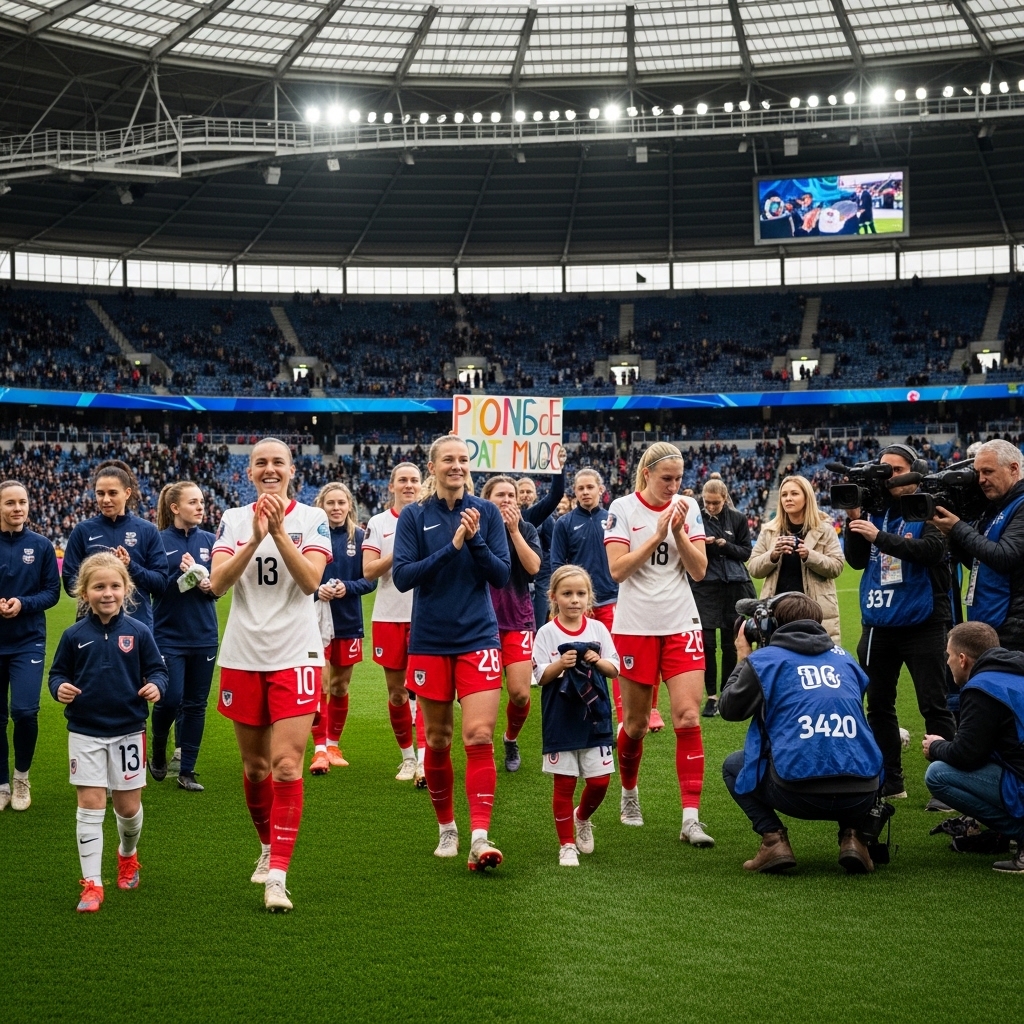
The numbers show the scale of the shift. Deloitte has forecast that global revenues in elite women’s sports will reach at least $2.35 billion in 2025, after rising to $1.88 billion in 2024. Nielsen reported that American audiences consumed 46 billion minutes of women’s sports content in 2025, spanning basketball, tennis, soccer, softball and other categories. The National Women’s Soccer League said its 2025 regular season delivered a fourth consecutive year of linear television growth, with viewership up 22 percent year over year. In England, Chelsea Women announced that all of their Women’s Super League home matches will move to Stamford Bridge from next season, a symbolic step in a wider push to place women’s teams in major stadiums rather than secondary venues.
The boom is not driven by one cause. It is the result of several forces arriving at once.
The first is visibility. Fans cannot watch what broadcasters do not show. For years, women’s sports struggled not because of a lack of quality, but because of a lack of access. Matches were hidden on minor channels, scheduled at inconvenient times or not broadcast at all. Digital platforms changed that equation. Streaming services, social media clips, league-owned channels and global highlights have made it easier for fans to discover players and follow teams outside traditional television windows.
This matters because habit is central to sports fandom. People become fans by watching repeatedly, learning names, understanding rivalries and developing emotional stakes. When women’s competitions are shown consistently, audiences grow more naturally. The product no longer appears as an occasional event. It becomes part of the sports calendar.
The second driver is star power. Athletes such as Caitlin Clark, A’ja Wilson, Coco Gauff, Simone Biles, Alexia Putellas, Sam Kerr, Mary Earps, Naomi Osaka, Angel Reese and many others have built followings that extend beyond their competitions. Fans are not only watching teams; they are following personalities, journeys and public identities. Social media allows athletes to speak directly to audiences, bypassing old media filters that once gave women’s sports limited space.
That direct connection has commercial value. A young fan may first see a basketball highlight on TikTok, then watch a full game, buy a jersey and follow the league. A casual football viewer may become invested in a player’s injury comeback or transfer story. The line between sport, culture and personal branding has blurred, and many women athletes have used that shift effectively.
The third factor is quality of competition. The argument that women’s sports are growing merely because of social pressure is increasingly outdated. Fans are watching because the games are good. They offer technical skill, tactical sophistication, dramatic finishes and emotional narratives. The 2023 FIFA Women’s World Cup demonstrated the global appetite for elite women’s football, with record attendances, strong broadcast figures and powerful national storylines. The WNBA has benefited from a deepening talent pool and college basketball pipelines that create ready-made stars. Women’s cricket has expanded its audience in countries where the sport is already a cultural force.
Investment improves quality, and quality attracts investment. Better training facilities, coaching, medical support, travel conditions and youth development systems all raise the standard of play. That improvement then gives broadcasters and sponsors a stronger product to sell. The market is beginning to escape the old cycle in which underinvestment was used as evidence of limited demand.
The fourth reason is generational change. Younger audiences are more willing to watch sports across gender lines. Many grew up seeing female athletes as global celebrities, Olympic champions and social media figures. They are less attached to the idea that men’s competitions are automatically the default version of a sport. For them, a compelling game is a compelling game.
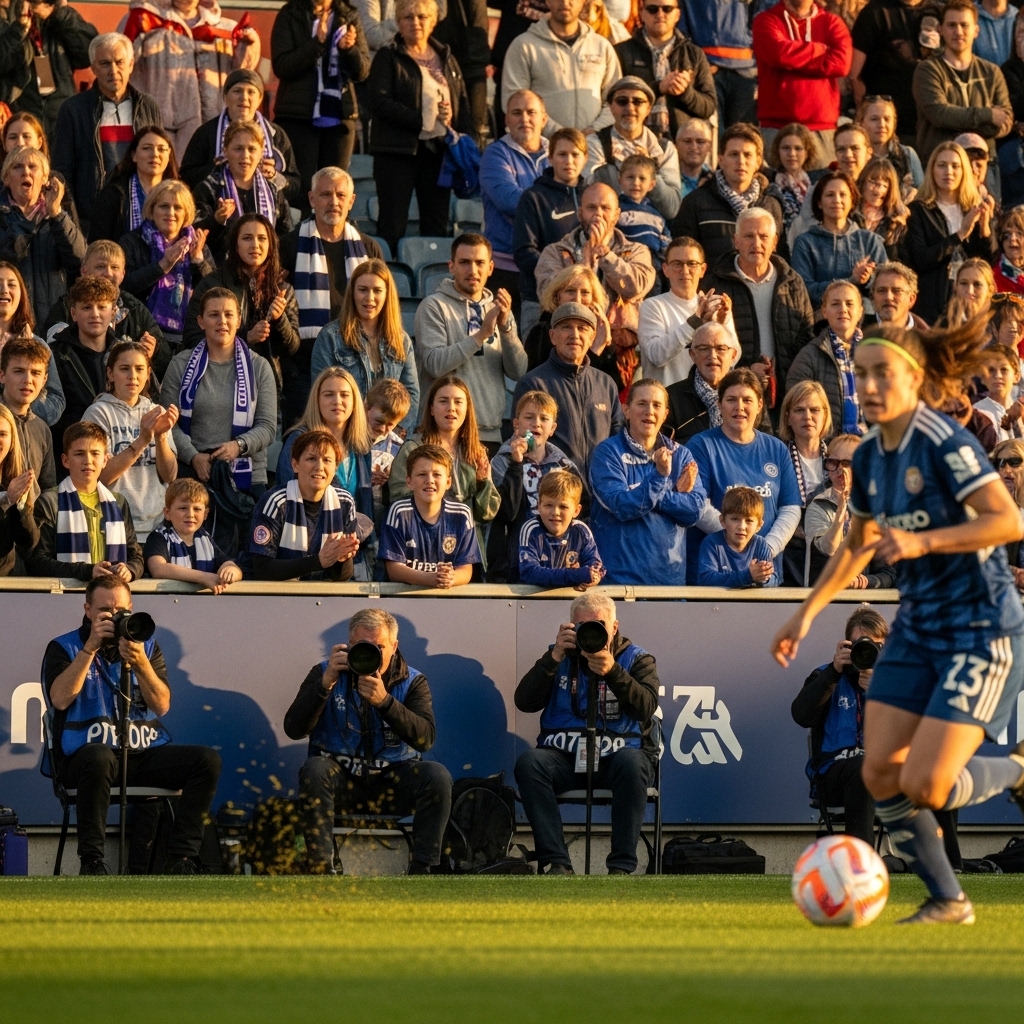
This shift also affects families. Parents are taking daughters and sons to women’s matches in growing numbers, especially where tickets remain more affordable than elite men’s sports. The atmosphere at many women’s games is marketed as inclusive, community-oriented and accessible. That does not make the competition less serious. It makes the event attractive to audiences who may feel priced out or alienated by other parts of the sports economy.
The fifth factor is the rising professionalism of leagues and clubs. Women’s sports are being packaged more strategically. Teams are improving match-day experiences, building season-ticket campaigns, selling merchandise and investing in digital storytelling. Clubs with established men’s teams are increasingly realizing that their women’s sides cannot be treated as charity projects. They are assets with their own fan bases and commercial potential.
Chelsea’s decision to move all Women’s Super League home games to Stamford Bridge reflects that broader logic. Playing in a major stadium sends a message to fans, sponsors and players: this team belongs on the main stage. Similar moves across Europe and North America show that infrastructure is not just a backdrop. It shapes perception. A match in a large, well-promoted venue feels like an event. An event is easier to sell, cover and remember.
The sixth driver is sponsorship. Brands are discovering that women’s sports offer not only growing audiences but also a different kind of relationship with fans. Many supporters see women’s sports as progressive, community-driven and emotionally authentic. For advertisers, that can mean higher trust and stronger association, especially when sponsorship feels like genuine investment rather than opportunistic branding.
This is changing the economics. Instead of simply placing logos on jerseys, companies are funding documentaries, youth programs, player campaigns, content studios and league partnerships. The smartest sponsors understand that women’s sports audiences do not want to be treated as a trend. They want long-term commitment.
The seventh reason is the power of major events. World Cups, Olympics, continental championships and national finals create entry points for casual viewers. A person may not watch a league every week, but a major tournament can spark interest. If the follow-up is strong — with accessible broadcasts, clear schedules and visible stars — some of those casual viewers become regular fans.
This conversion is one of the central challenges for women’s sports. Tournament spikes are valuable, but sustainable growth depends on what happens afterward. Leagues must keep new fans engaged once the global event ends. That means better storytelling, easier ticketing, consistent broadcast access and media coverage that treats women’s sports as ongoing competition rather than occasional inspiration.
The eighth factor is cultural momentum. Women athletes are increasingly central to conversations about equality, labor rights, motherhood, race, sexuality, pay and representation. These issues can bring new audiences into sports, but they also create pressure. Fans may admire athletes for their activism, yet the athletes still want to be judged first as competitors. The strongest coverage is therefore not sentimental. It recognizes both the social significance and the sporting excellence.
There are still risks. Rapid growth can create unrealistic expectations. Some leagues remain financially fragile. Media companies may overpay for rights without properly promoting the product. Clubs may move games to large stadiums before they have built a reliable ticket base. Athletes may face greater online abuse as visibility increases. Pay gaps remain large, and many women players outside top leagues still work under insecure conditions.
There is also a danger of treating all women’s sports as one market. Basketball in the United States, football in Europe, cricket in India and Australia, tennis globally and rugby in selected markets each have different histories, audiences and commercial models. Growth strategies must be specific. What works for the WNBA may not work for a second-tier football league. What works in London may not work in Lagos, São Paulo or Hanoi.
Still, the broader trend is unmistakable. The audience was never absent. It was underserved. When women’s sports receive proper scheduling, production, promotion and investment, fans respond. They watch because the contests are exciting. They watch because the athletes are excellent. They watch because the stories feel fresh in a crowded sports market. They watch because access has improved and because the cultural meaning of fandom is changing.
The boom in women’s sports is not a sudden miracle. It is the delayed result of talent finally meeting infrastructure. For years, the question was whether audiences would come. Now the evidence suggests a different question: how much larger can the audience become if the industry continues to treat women’s sports not as a cause, but as competition worthy of the biggest stage?