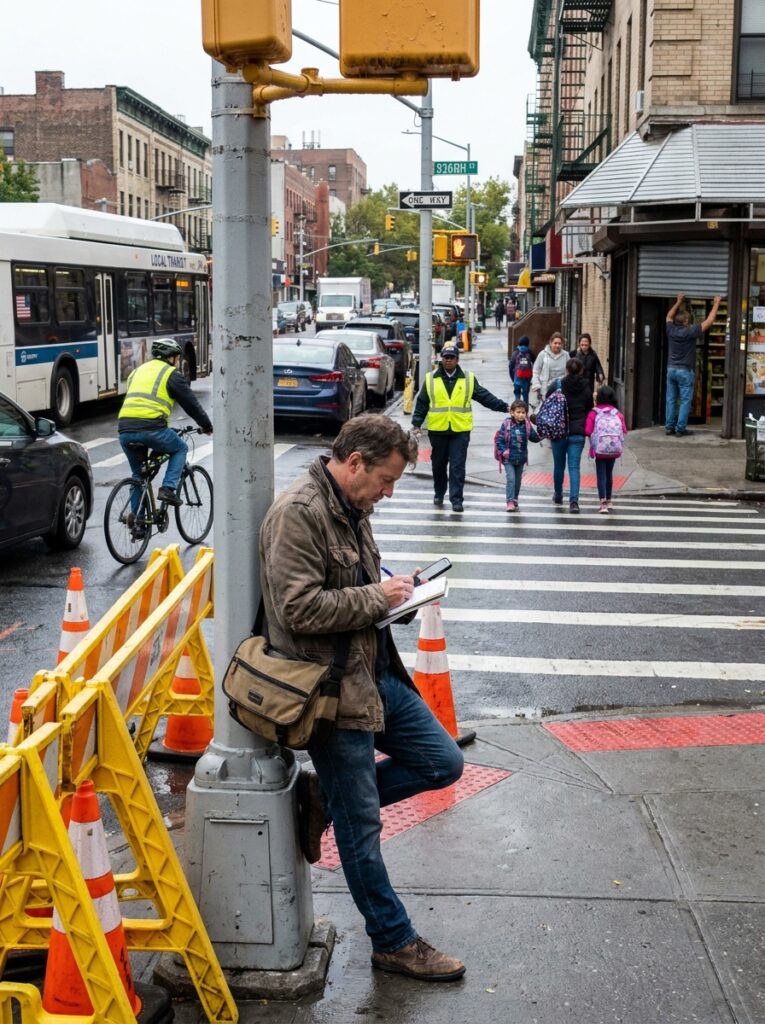
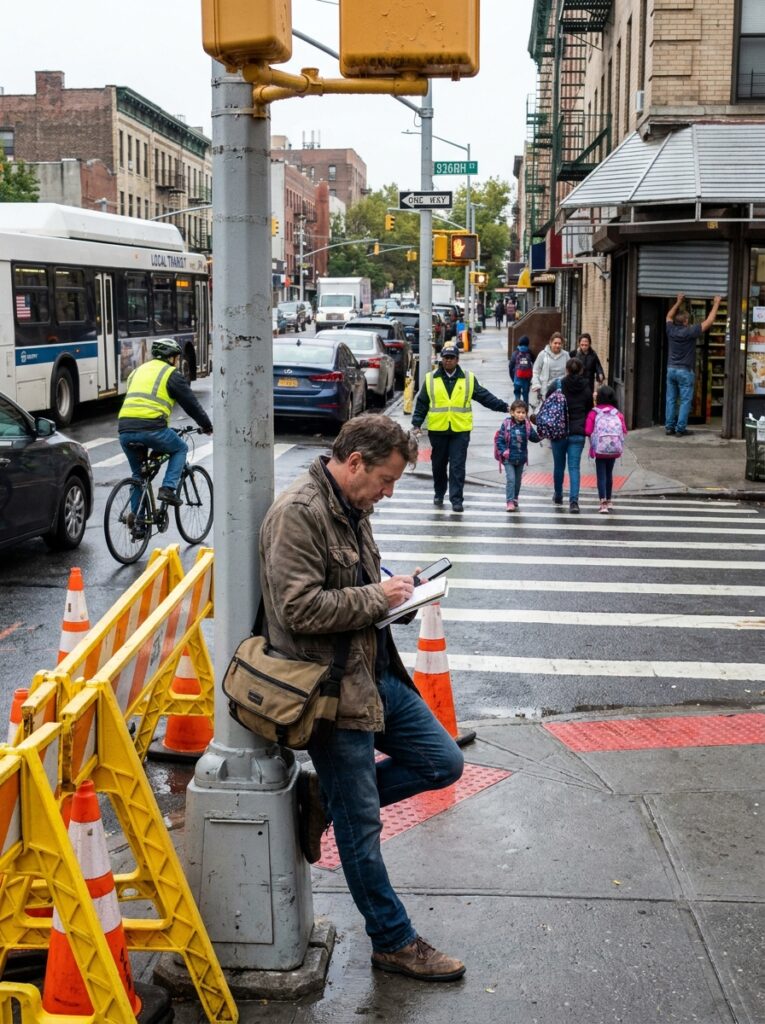
From traffic jams and school budgets to public safety and neighborhood change, local journalism remains one of the most practical forms of information in modern society.
The biggest stories in the world often arrive from capitals, war zones, stock exchanges and global summits. They dominate headlines, shape national debates and move markets. But for most people, daily life is still determined much closer to home. The road that floods after heavy rain, the school board vote that changes class sizes, the bus route that disappears, the clinic that shortens its hours, the new apartment tower that alters a neighborhood skyline — these are local stories, and their consequences are immediate.
Local news matters because it answers the most practical question in public life: what is happening here? It tells residents whether a bridge is closed, whether drinking water is safe, whether a storm is approaching, whether a hospital is overwhelmed, whether a new tax will affect families, whether a school is performing well, and whether a public official is keeping promises. National news may explain the direction of a country. Local news explains the conditions of a community.
In the digital age, this role has become more important, not less. Social media can spread neighborhood information quickly, but speed is not the same as verification. A post about a crime, a school threat, a traffic accident or a public health concern can travel widely before authorities or reporters confirm what happened. Local journalists provide a necessary filter: they call police, check court records, attend meetings, speak with residents and separate rumor from fact. In a crisis, that difference can prevent panic.
Traffic is one of the clearest examples. For commuters, parents, delivery workers and emergency responders, local transportation coverage is not abstract. A road closure can mean missed work, late school arrivals, lost income or delayed medical care. Local newsrooms track construction projects, transit disruptions, parking changes, bridge repairs and dangerous intersections. They explain why congestion is worsening, who is responsible for road planning and when relief may come. Without that reporting, residents are left with frustration but little accountability.
Education coverage is just as vital. Schools are among the most important public institutions in any community, yet many decisions about them are made in meetings that few parents can attend. Local reporters cover school budgets, teacher shortages, curriculum debates, safety policies, test results, building repairs and disciplinary issues. They give families information that directly affects children’s lives. They also make school boards more visible. When local education reporting declines, decisions involving millions of public dollars can pass with little scrutiny.
Local journalism also gives communities a shared record. It documents births, deaths, sports victories, small businesses, cultural festivals, court cases, zoning disputes, charity drives and acts of everyday resilience. These stories may never trend globally, but they build the memory of a place. A town without local news loses more than information. It loses part of its public identity.
Accountability is perhaps the most serious function. City councils, police departments, public utilities, housing authorities and local contractors often operate far from national attention. When reporters are present, officials know that decisions may be reviewed, budgets may be questioned and residents may learn what is done in their name. This does not mean local journalists are opponents of local government. Their role is to make government visible enough for citizens to judge it.
The absence of local reporting can be costly. When fewer journalists cover public finance, infrastructure contracts or municipal debt, taxpayers may not see warning signs until money has already been spent. Research has linked newspaper closures to higher borrowing costs for local governments, suggesting that the watchdog role of local media has economic value as well as democratic value. In practical terms, the loss of a newsroom can eventually appear in a household budget.
Local news also helps reduce the distance between citizens and democracy. National politics often feels polarized, symbolic and remote. Local politics is more tangible. It involves roads, schools, parks, housing permits, policing, waste collection, libraries and taxes. People may disagree strongly, but the issues are tied to places they share. Good local reporting can turn political argument into civic knowledge by showing what a policy means block by block.
Community life depends on that knowledge. Residents need to know when a public hearing is scheduled, where to find flood assistance, why a clinic is closing, how a new development will affect rent, or which local businesses are struggling. Local news connects people not only to institutions but to one another. It shows who is opening a restaurant, who is organizing volunteers, who is raising concerns about pollution, and who is trying to solve a neighborhood problem.
This closeness is also why local news can build trust. A reporter who covers the same city for years learns its streets, history, officials, tensions and quiet heroes. Readers may see that journalist at meetings, schools, markets and storm-damaged neighborhoods. The relationship is not perfect, and local newsrooms make mistakes like any institution. But proximity creates accountability in both directions. The public can challenge local reporters directly, and reporters must face the communities they cover.
The financial crisis in local journalism threatens this relationship. Advertising revenue has moved to technology platforms. Print circulation has declined. Many local newspapers have closed, merged or reduced staff. Television stations and radio newsrooms face their own pressures. Digital startups have emerged in some areas, but not everywhere. Rural communities, poor neighborhoods and minority-language audiences are often the most vulnerable to losing consistent coverage.
When a community becomes a news desert, the gap is rarely empty for long. It is filled by Facebook groups, messaging apps, partisan pages, official announcements, public relations material and word of mouth. Some of that information may be useful. Much of it may be incomplete. Official statements tell people what institutions want them to know. Rumors tell people what others think they heard. Journalism, at its best, tests both.
The challenge is not to romanticize local news. Some local outlets have failed communities by ignoring marginalized voices, avoiding difficult investigations or relying too heavily on police and official sources. Others have struggled to reflect the diversity of the places they serve. Local journalism must earn its relevance by being accurate, inclusive and useful. It must cover not only the powerful but also the people most affected by decisions.
The future of local news will likely be mixed. Some communities will rely on nonprofit newsrooms, membership models, public media, university partnerships, newsletters, independent digital outlets or collaborative reporting networks. Others will depend on stronger local television, radio or community-supported newspapers. There is no single model that fits every place. But the need is consistent: residents require reliable information about the systems that shape their lives.
Supporting local news is not only a matter for journalists. It also depends on readers, businesses, philanthropies, schools, libraries and civic leaders. Subscriptions, donations, advertising, public information access and open government rules all matter. So does public understanding. Many people say they value local news but do not always pay for it, share it or defend it when it is threatened. A community that wants local reporting must help sustain the institutions that produce it.
The stories closest to home can seem small until they are missing. A delayed bus, a school closure, a contaminated well, a housing vote, a missing person, a new factory, a hospital merger or a local corruption case can change daily life more directly than many national headlines. Local news is important because people do not live in abstractions. They live on streets, in neighborhoods, near schools, beside rivers, under local laws and inside communities that need to understand themselves.
In a media world crowded with global drama and viral noise, local journalism remains the public service that points back to the ground beneath people’s feet. It tells them where they are, what is changing around them and who is responsible. That is why local news still matters: because democracy, safety, memory and belonging all begin somewhere local.
“””