
As repair costs rise and vehicles become more complex, routine care remains one of the most reliable ways for motorists to avoid expensive breakdowns and extend the life of their cars.
For many drivers, car maintenance is treated as an expense to delay rather than an investment to protect. A warning light appears, a strange noise develops, or a tire begins to wear unevenly, and the first instinct is often to wait until the problem becomes unavoidable. But mechanics, safety experts and fleet managers have long agreed on a simple principle: the cheapest repair is usually the one prevented before it happens.
A well-maintained vehicle does more than run smoothly. It consumes fuel more efficiently, keeps major components from wearing out prematurely and reduces the risk of being stranded by a failure that could have been detected early. In household budgets where insurance, fuel, parking and loan payments already compete for attention, preventive maintenance can be one of the few areas where owners have direct control over long-term costs.
The starting point is the owner’s manual, a document many drivers ignore after buying a vehicle. Manufacturers provide maintenance schedules based on mileage, time and driving conditions. These schedules are not suggestions written for repair shops; they are designed around the engineering limits of the vehicle. Oil changes, filter replacements, brake inspections, tire rotations and fluid checks are timed to prevent wear before it becomes damage. Following that schedule is often less costly than relying on guesswork.
Engine oil remains one of the most important and misunderstood maintenance items. Modern engines operate under high pressure and temperature, and oil must lubricate, clean and protect internal parts. Driving too long on old or low oil can accelerate wear and, in severe cases, lead to engine failure. At the same time, changing oil more often than the manufacturer recommends may waste money. The economical approach is to use the correct grade of oil and follow the interval specified for the vehicle, adjusting only for severe conditions such as frequent short trips, heavy traffic, towing or extreme heat.
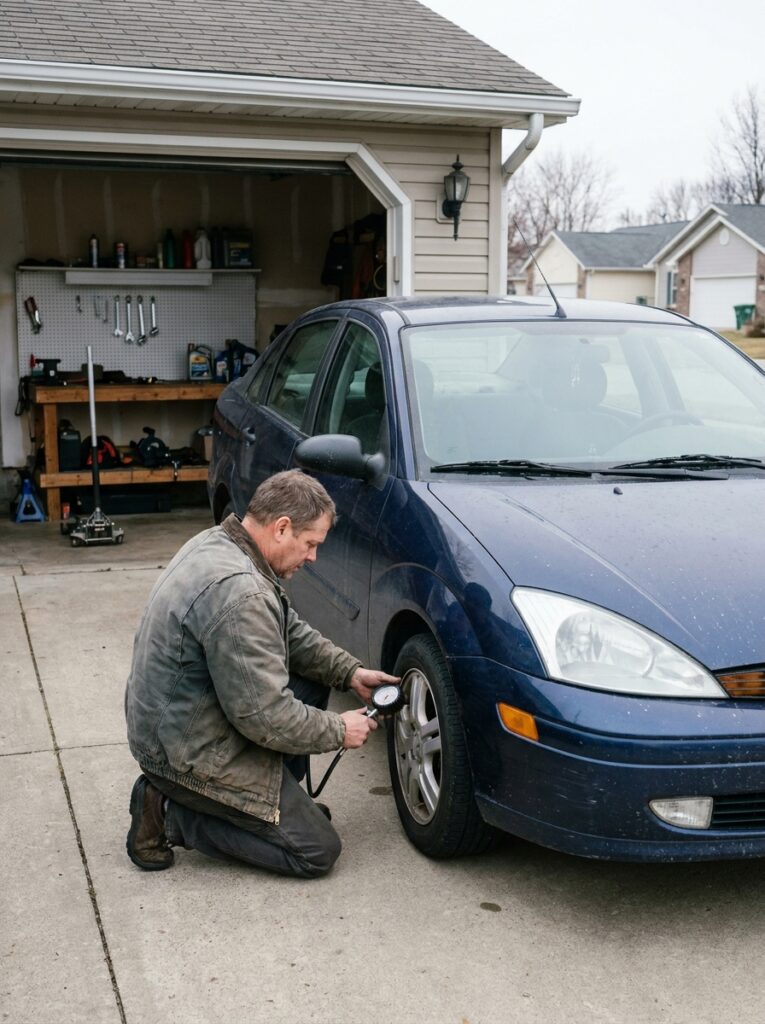
Tires are another major area where small habits produce large savings. Proper tire pressure improves fuel economy, supports even tread wear and helps prevent blowouts. Underinflated tires create more rolling resistance, forcing the engine to work harder, while overinflated tires may reduce grip and wear unevenly. Checking pressure once a month, and before long trips, costs almost nothing and can add thousands of miles to tire life. Regular rotation also helps spread wear evenly, delaying the need for a full set of replacements.
Wheel alignment is often overlooked until the steering wheel pulls to one side or tires show visible damage. But misalignment can quietly destroy expensive tires long before their expected lifespan. Hitting potholes, curbs or rough roads can knock suspension geometry out of specification. A timely alignment may seem like an extra cost, but it is often cheaper than replacing tires prematurely. Drivers who notice vibration, uneven wear or a vehicle drifting on a straight road should have the system inspected.
Brakes should be treated as both a safety system and a cost-saving priority. Brake pads are designed to wear out and be replaced. If drivers ignore squealing, grinding or longer stopping distances, the damage can spread to rotors, calipers and other components. Replacing pads early is usually far cheaper than repairing an entire brake system. Regular inspections are especially important for vehicles used in cities, where stop-and-go traffic causes faster brake wear.
Fluids are the bloodstream of a vehicle. Coolant prevents overheating and corrosion, transmission fluid protects gears and hydraulic systems, brake fluid transfers stopping force, and power steering fluid supports steering components in vehicles that use hydraulic assistance. Old, contaminated or low fluids can cause failures that are expensive to diagnose and repair. Checking levels and looking for leaks under the vehicle can alert owners to problems before they become roadside emergencies.
The cooling system deserves special attention because overheating can damage an engine quickly. A weak radiator cap, failing thermostat, cracked hose or low coolant level may begin as a minor issue. Left unresolved, it can lead to a warped cylinder head or blown head gasket. Drivers should not ignore a rising temperature gauge, a sweet smell from the engine bay or coolant stains beneath the car. Prompt inspection can prevent one of the most expensive common repairs.
Air filters and cabin filters are inexpensive parts with practical benefits. A dirty engine air filter can restrict airflow, affecting performance in some vehicles and placing unnecessary strain on the engine. A clogged cabin filter can reduce heating and air-conditioning efficiency, making the blower motor work harder. Replacing filters at recommended intervals is a simple job on many cars and can often be done by owners with basic tools.
Battery care is another low-cost habit that prevents inconvenience and towing bills. Batteries weaken with age, heat and repeated short trips. Corrosion on terminals can interfere with starting, while loose connections may mimic more serious electrical problems. Cleaning terminals, checking the battery’s condition before extreme weather and replacing an aging battery before it fails can spare drivers from emergency service charges.
Driving style also affects maintenance costs. Hard acceleration, sudden braking, high-speed cornering and aggressive driving place extra stress on tires, brakes, suspension and fuel systems. Smooth driving is not only safer; it reduces wear. Allowing the engine to warm briefly before heavy acceleration, avoiding unnecessary idling and slowing down over rough roads can all extend component life.
Owners can save money by learning basic inspections without attempting repairs beyond their ability. Checking tire pressure, oil level, lights, wiper blades and visible leaks requires little technical knowledge. Keeping a small maintenance log can also help. Written records make it easier to track service intervals, identify recurring problems and improve resale value when the vehicle is sold. A buyer is more likely to trust a car with documented care than one with an uncertain history.
Choosing a repair shop carefully is part of maintenance economics. The cheapest estimate is not always the least expensive outcome if poor workmanship leads to repeat repairs. Drivers should look for shops with clear explanations, written estimates, transparent pricing and qualified technicians. Asking for old parts back, requesting itemized invoices and understanding whether parts are original equipment, aftermarket or used can help avoid unnecessary spending.
Not every service recommended at a counter is urgent. Some maintenance is essential, some is preventive, and some may be optional depending on vehicle age, driving conditions and budget. Drivers should ask what will happen if a repair is delayed, whether the issue affects safety, and whether there are signs of actual failure. A reputable mechanic should be able to explain the difference between an immediate repair and a service that can be planned for a later date.
Seasonal maintenance can prevent predictable problems. Before hot weather, air conditioning, coolant and tires should be checked. Before winter, batteries, wipers, lights, tires and defrosters become more important. In areas with heavy rain, good wiper blades and proper tire tread are essential. In regions where roads are salted, washing the underside of the vehicle can reduce corrosion over time.
Modern cars often provide early warnings through dashboard lights and onboard diagnostics. Ignoring these signals can turn a manageable issue into a costly one. A check engine light may indicate something as minor as a loose fuel cap or as serious as a failing catalytic converter. The key is not to panic, but not to ignore it either. Early diagnosis gives owners options; late diagnosis often leaves only expensive repairs.
For older vehicles, the goal is not perfection but reliability. Owners should prioritize safety systems, tires, brakes, steering, cooling and leaks before cosmetic repairs. Spending wisely means understanding the car’s value, expected remaining life and the cost of replacement. In many cases, modest preventive maintenance can keep a paid-off vehicle running economically for years. In others, repeated major repairs may signal that replacement is the more rational decision.
The most cost-effective maintenance strategy is consistent, practical and informed. It does not require drivers to become mechanics or spend money unnecessarily. It requires attention to small changes, respect for the maintenance schedule and quick action when early signs appear. In a time when transportation costs can strain family budgets, caring for a vehicle before it fails remains one of the simplest ways to keep more money in the driver’s pocket.”””
