
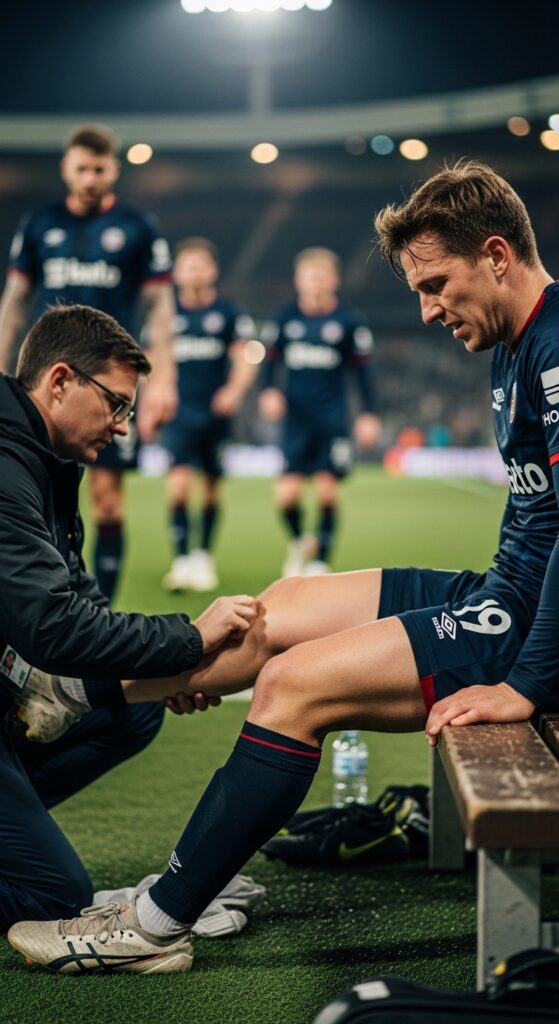
Crowded calendars, injury risk, mental health pressure and online abuse are forcing leagues to rethink what success costs.
Elite athletes are often described as superhuman. Their training, discipline and performance can appear beyond ordinary limits. But the modern sports calendar is testing those limits in ways that are becoming impossible to ignore.
Across football, basketball, tennis, cricket, athletics and other sports, top competitors are playing more matches, traveling more often and facing constant media exposure. Expanded tournaments, commercial tours, international competitions and streaming demand have made rest a scarce resource.
The result is a growing debate over athlete welfare. Players and unions warn that congested schedules increase injury risk and reduce recovery. Coaches speak of fatigue. Medical teams track workloads closely, but commercial incentives often push in the opposite direction. More games mean more revenue.
Football offers one of the clearest examples. Club competitions, national team tournaments, preseason tours and expanded international events create a calendar with few quiet periods for elite players. The 2026 FIFA World Cup adds another major demand, though its importance is unquestioned. The question is not whether players want major tournaments, but how much the body can absorb.
Mental health has become equally important. Athletes face pressure from performance expectations, social media criticism, gambling-related abuse, selection uncertainty and career insecurity. A single mistake can be replayed globally within seconds. Young athletes may become public figures before they have developed the emotional tools to manage fame.
Some sports have made progress. Mental health professionals are more common in elite programs. Athletes speak more openly about anxiety, depression and burnout. Governing bodies are beginning to treat welfare as part of performance rather than a private weakness.
But access is uneven. Stars may receive dedicated support, while lower-tier athletes struggle with low pay, uncertain contracts and limited medical care. In many sports, the athletes most vulnerable to exploitation are those furthest from the spotlight.
Women athletes face specific welfare issues, including maternity support, menstrual health, injury research gaps and unequal medical resources. For years, sports science was built largely around male bodies. That is beginning to change, but the legacy remains.
Youth athletes also need protection. Early specialization, travel teams, rankings and scholarship pressure can turn childhood sport into a high-stakes career path. Injuries and burnout may occur before adulthood. Parents, coaches and federations must balance ambition with development.
Online abuse has become a major welfare concern. Racist, sexist and threatening messages can reach athletes directly after matches. Sports bodies have begun monitoring and reporting abuse, but enforcement depends on cooperation from platforms and law enforcement. Digital safety is now part of workplace safety.
The welfare debate is not anti-competition. Athletes want to compete. Fans want intense schedules. Leagues need revenue to survive. But sport loses credibility if it treats athletes as replaceable content.
Solutions will require coordination. Calendars must include real rest. Medical staff must have authority. Mental health support must be normalized. Data should be used to protect athletes, not only to extract performance. Fans and media must remember that athletes are workers as well as entertainers.
Sport’s future will not be judged only by records and revenue. It will be judged by whether the people who create its greatest moments can remain healthy enough to live beyond them.”””
