As batteries, software and connectivity reshape the auto industry, the electric vehicle is evolving from a cleaner car into a rolling digital platform.
For much of the past decade, the electric car was sold to the public with a simple promise: spend less on fuel, reduce emissions and avoid the volatility of gasoline prices. That argument still matters. In many markets, lower running costs remain one of the clearest reasons for switching from a combustion engine to a battery-powered vehicle. But it is no longer the whole story.
Electric vehicles are increasingly becoming mobile technology devices. They are cars, but they are also computers, energy storage units, entertainment screens, data collectors, payment terminals, navigation systems and software platforms. The change is altering what drivers expect from a vehicle and what automakers must become if they want to compete.
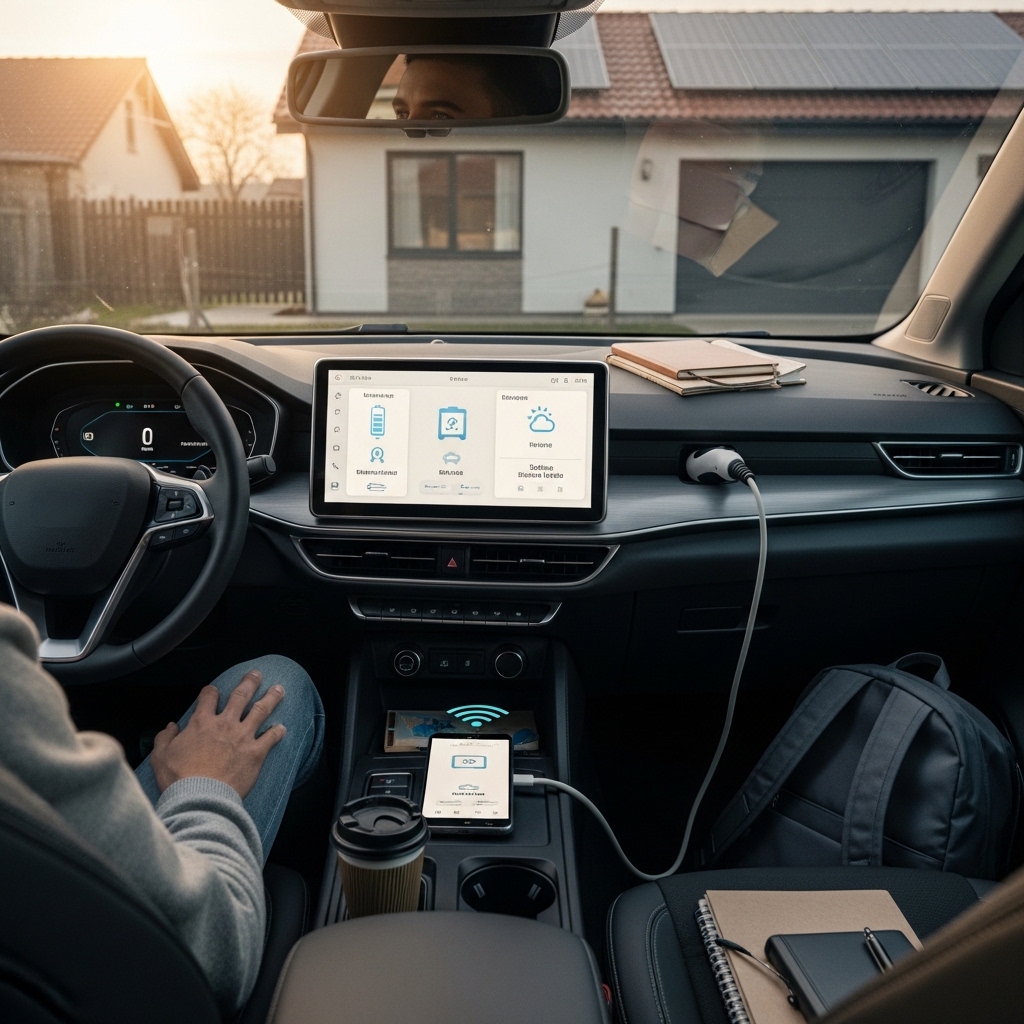
The shift is visible in the design of modern EVs. Step inside many new models and the dashboard feels closer to a smartphone or tablet ecosystem than a traditional cockpit. Large central screens control navigation, charging, climate, media, vehicle settings and sometimes even basic driving functions. Drivers expect wireless updates, app integration, voice commands, route planning, battery preconditioning and real-time information about chargers. A car is no longer judged only by horsepower, range and build quality. It is judged by interface, software reliability and whether the experience improves after purchase.
This is a major break from the old automotive model. For decades, a car was essentially finished when it left the factory. Improvements came through the next model year, a service appointment or an aftermarket accessory. In the EV era, a growing number of vehicles can receive over-the-air software updates. Automakers can fix bugs, adjust battery management, improve driver-assistance features, update maps, add entertainment apps or change the user interface remotely.
That makes the car feel more like a living product. It can evolve. It can also disappoint if updates are late, confusing or poorly tested. The same logic that governs phones and laptops is entering the garage: consumers expect constant improvement, but they also fear glitches, data collection and subscription fees.
The rise of the software-defined vehicle is one of the most important developments in the industry. In a software-defined car, many functions are controlled less by isolated mechanical systems and more by centralized computing architecture. This allows automakers to change performance, features and user experience through code. It also creates new business models. A company might sell heated seats, advanced driver assistance, enhanced navigation or performance upgrades as software-enabled services.
For consumers, this creates both convenience and frustration. Some drivers like the idea that a car can gain new features over time. Others resent paying extra for functions they believe are already built into the vehicle. The debate is not only technical. It is cultural. People understand paying for fuel, insurance and maintenance. They are less comfortable with a car that behaves like an app store on wheels.
Electric vehicles accelerate this transition because they are already built around high-voltage batteries, sensors and digital control systems. Battery management is software-intensive. Charging requires communication between the car, charger, grid and payment system. Regenerative braking, energy efficiency, thermal control and route planning all depend on software. The better the code, the better the vehicle may feel in daily use.
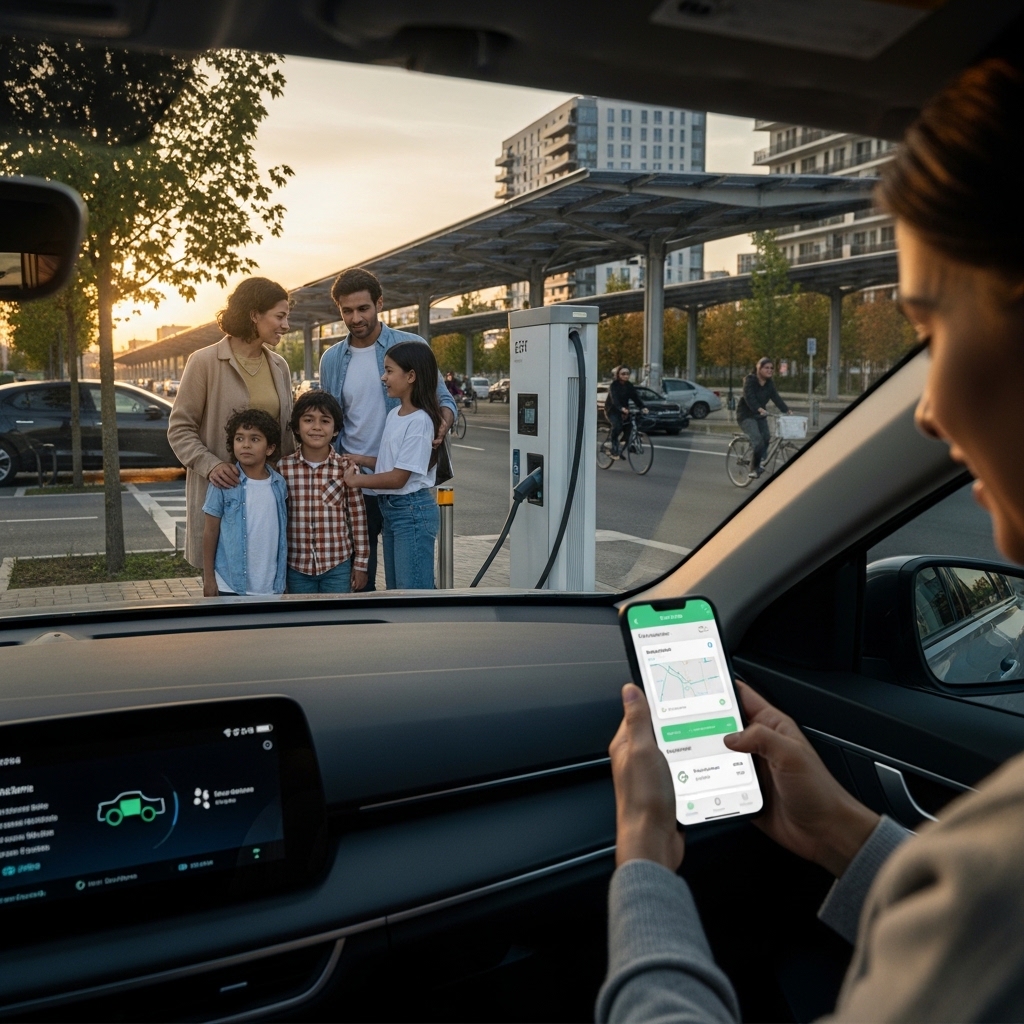
This is why range anxiety is gradually being replaced by ecosystem anxiety. Early EV buyers worried mainly about whether the battery would last long enough. Many still do. But as charging networks expand, a new set of questions has emerged: Is the charging app reliable? Does the car know which chargers are working? Can it plan stops based on weather, traffic and battery temperature? Will payment be seamless? Will the charger deliver the promised speed?
The EV experience is therefore not just the vehicle. It is the connection between vehicle, infrastructure and software. A technically impressive car can feel frustrating if public charging is unreliable. A modest-range car can feel practical if routing, home charging and local infrastructure work smoothly. In this sense, the electric car is less a standalone machine than a node in a larger digital-energy network.
The battery is central to that network. It is not only a fuel tank replacement. It is a large energy asset. In some markets, vehicle-to-home and vehicle-to-grid technology is turning EVs into backup power sources or grid support tools. A parked car can potentially power appliances during an outage, store solar energy or help stabilize electricity demand. This possibility changes the meaning of ownership. The car becomes part of the home energy system.
That future is still uneven. Technical standards, utility rules, warranty concerns and consumer awareness remain barriers. But the direction is clear. As renewable power grows and grids face more stress, the millions of batteries inside electric vehicles may become important infrastructure. A car that once consumed energy passively may become an active participant in energy management.
Inside the vehicle, entertainment and work are also changing. As charging stops become part of travel, automakers are adding video streaming, gaming, conference tools and richer infotainment systems. For passengers, the car is becoming another screen environment. For drivers, especially as advanced driver-assistance systems improve, the temptation to treat the car as a digital lounge will grow. Regulators and manufacturers must manage that carefully. A smarter cabin should not create a more distracted driver.
Safety technology is another area where EVs overlap with the broader digital transformation. Cameras, radar, ultrasonic sensors and sometimes lidar feed data into driver-assistance systems that can keep lanes, manage speed, detect obstacles and assist parking. These systems are not the same as full autonomy, despite marketing language that sometimes blurs the distinction. Most still require active human supervision. But they are changing the relationship between driver and machine.
The car now watches its surroundings, interprets data and sometimes intervenes. That creates trust when it works and fear when it fails. The industry’s challenge is to make these systems transparent enough that drivers understand their limits. A technology device that moves at highway speed cannot be treated like a beta app.
Data privacy is another unresolved issue. Connected EVs can collect information about location, driving behavior, charging habits, cabin preferences, phone connections and vehicle diagnostics. This data can improve maintenance, safety and user experience. It can also be valuable to insurers, advertisers, technology partners and governments. Consumers may welcome predictive maintenance alerts but object to unclear data sharing.
As cars become more digital, cybersecurity becomes as important as mechanical safety. A software-defined vehicle must be protected from hacking, unauthorized access and malicious updates. Automakers that once focused primarily on engines and manufacturing now need expertise in cloud systems, encryption, artificial intelligence, user interface design and long-term software support. The competitive field has changed.
This helps explain why new EV companies have sometimes pressured older automakers. Traditional manufacturers know how to build durable vehicles at scale. Newer entrants often think more like technology firms, emphasizing software, direct updates and digital customer relationships. The future winners may be those that combine both skills: automotive discipline and technology speed.
The global market is moving quickly but unevenly. China has become the center of EV production and competition, with fast innovation, aggressive pricing and a dense technology ecosystem. Europe continues to push electrification through regulation and industrial strategy. The United States remains more divided, shaped by fuel prices, politics, charging access and consumer preference for larger vehicles. Emerging markets are watching costs closely, with two-wheelers, buses and smaller EVs often playing a major role.
For ordinary drivers, the appeal of EVs is becoming more layered. Saving money on gasoline may open the conversation, but the daily experience often determines satisfaction. Quiet acceleration, home charging, fewer visits to gas stations, digital navigation, remote climate control, software updates and integration with phones all contribute to the sense that the car belongs to a different technological era.
Yet the transition is not frictionless. EVs can be expensive upfront. Charging access is unequal. Apartment dwellers may have fewer options than homeowners. Repairs can be costly if specialized parts or trained technicians are limited. Software problems can be maddening. Some physical controls have been replaced by touchscreens in ways that many drivers dislike. A car can be technologically advanced and still fail at basic usability.
That is the central lesson of the new EV era. Technology must serve the driver, not overwhelm the driver. The most successful electric cars will not simply have the biggest screens or the longest feature lists. They will make mobility simpler, safer and more dependable. They will use software to reduce stress, not add complexity.
The electric car is no longer just an answer to high gasoline prices. It is becoming a platform where transportation, energy, data and personal technology meet. That transformation will reshape automakers, cities, power grids and consumer habits. It will also raise new questions about privacy, ownership, safety and fairness.
A century ago, the automobile changed daily life by giving people physical mobility. The next generation of electric vehicles may change it again by combining mobility with intelligence. The car of the future will still need good brakes, comfortable seats and reliable engineering. But increasingly, it will also need secure code, useful updates, trustworthy data practices and an interface that understands human needs.
The race to build the best electric car is therefore no longer only about batteries and motors. It is about who can build the most useful technology device on the road.