
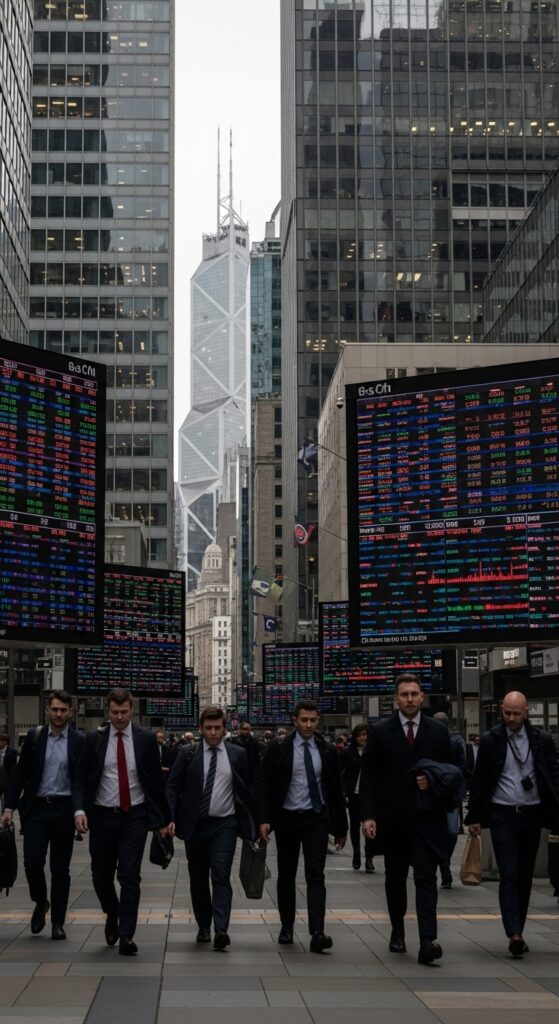
Governments face slower growth, renewed inflation pressure and difficult choices as conflict, energy risk and debt reshape the global outlook.
The global economy is entering 2026 with a sense of guarded resilience. It has avoided some of the worst outcomes predicted during earlier shocks, but the foundations of growth remain fragile. For households, businesses and governments, the new year is less about recovery than about endurance.
The International Monetary Fund’s April 2026 World Economic Outlook warned that global growth is slowing while inflation pressures remain difficult to manage. The report placed particular emphasis on the strain created by rising defense spending, conflict-related uncertainty and the need for governments to rebuild economic buffers.
The central problem is that many countries are trying to solve several crises at once. They must support households facing high prices, invest in energy security, strengthen public services, manage debt and respond to geopolitical risk. In richer economies, policymakers are debating how quickly to cut interest rates without reigniting inflation. In poorer countries, higher borrowing costs and weak currencies limit room for action.
Energy remains one of the most sensitive channels of disruption. When conflict threatens fuel supplies or shipping routes, the effect reaches far beyond the battlefield. Oil and gas prices influence transport, food production, manufacturing and household bills. Countries that import most of their energy are especially exposed, and their governments often face pressure to subsidize fuel even when public finances are already stretched.
Trade is another source of uncertainty. Companies that once built supply chains around efficiency are now giving more weight to resilience and politics. Some are moving production closer to home or splitting supply networks across different regions. This may reduce vulnerability to shocks, but it can also raise costs.
Consumers are responding cautiously. In many countries, wages have recovered only slowly from inflation. Families are spending more carefully, delaying large purchases and searching for value. Businesses see demand, but also hesitation. That uncertainty can weaken investment, hiring and expansion.
Developing economies face the toughest balance. They need infrastructure, health spending, education investment and climate adaptation, but debt service absorbs large shares of public revenue. A global environment of expensive capital makes development harder. For many governments, the choice is not between good and bad options, but between competing necessities.
The labor market remains a source of strength in some economies, though not evenly. Workers in technology, health care, logistics and energy may find opportunities, while others face automation, informal employment or stagnant wages. Artificial intelligence could boost productivity, but it may also disrupt white-collar work faster than previous waves of technology.
The global economy is not in free fall. It is, however, more exposed to shocks than headline growth numbers suggest. A conflict, climate disaster, banking stress or major trade dispute can quickly change forecasts. This has made caution the dominant mood in finance ministries and central banks.
The next phase will depend on whether governments can restore confidence without ignoring risk. That means credible budgets, targeted support for vulnerable households, investment in productivity and cooperation on trade, debt and climate. The world economy has shown resilience. The question now is whether it can turn resilience into stable growth.”””
