As modern lifestyles become more sedentary, a brief walk after eating is gaining attention as one of the simplest ways to support blood sugar control, digestion and long-term health.
The health advice sounds almost too ordinary to matter: finish a meal, stand up, and walk for a few minutes. No expensive equipment, no gym membership, no complicated training plan. Just a short walk around the block, through an office corridor, inside an apartment building or along a quiet street after dinner. Yet this modest habit is attracting renewed attention from doctors, researchers and wellness experts because it addresses one of the defining problems of modern life: people eat, then sit.
For millions of people, the pattern is familiar. Breakfast is followed by a commute or a desk. Lunch is eaten quickly before returning to a computer. Dinner ends on a sofa with a phone, television or laptop. The body, however, was not designed for long hours of stillness, especially after food. After a meal, glucose from carbohydrates enters the bloodstream. The pancreas releases insulin to help move that glucose into cells. When muscles remain inactive, blood sugar can rise more sharply and stay elevated longer. When muscles move, even gently, they begin using glucose for energy.
That is why walking after meals has become one of the most practical health habits of the decade. It does not promise dramatic transformation overnight. It does not replace medical care, structured exercise or a balanced diet. But research increasingly suggests that light post-meal movement can help moderate blood sugar spikes, support metabolic health and reduce the harm of sedentary routines. Its power lies in being simple enough to repeat.
Several studies have examined the effect of postprandial walking, the medical term for walking after eating, on glucose response. Research published in Nutrients found that 30 minutes of brisk walking after meals improved post-meal glycemic response across meals with different carbohydrate content and macronutrient composition. A 2025 study in Scientific Reports reported that a brief 10-minute walk immediately after a meal reduced peak glucose compared with remaining inactive. The details vary by person, meal size, walking intensity and metabolic health, but the direction of evidence is consistent: movement after eating helps the body handle glucose more efficiently.
The mechanism is straightforward. Contracting muscles can take up glucose from the bloodstream, reducing the amount that remains circulating after a meal. Physical activity also improves insulin sensitivity, meaning the body can use insulin more effectively. The American Diabetes Association notes that physical activity can lower blood glucose and increase insulin sensitivity for hours after exercise, though the effect varies from person to person. For people with diabetes or prediabetes, this makes post-meal movement especially relevant, but the habit is not limited to those groups. Stable blood sugar matters for energy, mood, appetite and long-term health in the general population as well.
The timing does not need to be perfect, but consistency matters. Many experts suggest walking soon after eating, often within 30 minutes, when the body is beginning to process the meal. For some people, a 10-minute walk may be realistic. For others, 15 to 30 minutes after lunch or dinner may be possible. The walk does not have to be intense. A comfortable pace is usually enough to activate the muscles and interrupt sitting. For people who feel discomfort walking immediately after a large meal, waiting a short time or choosing a slower pace may be better.
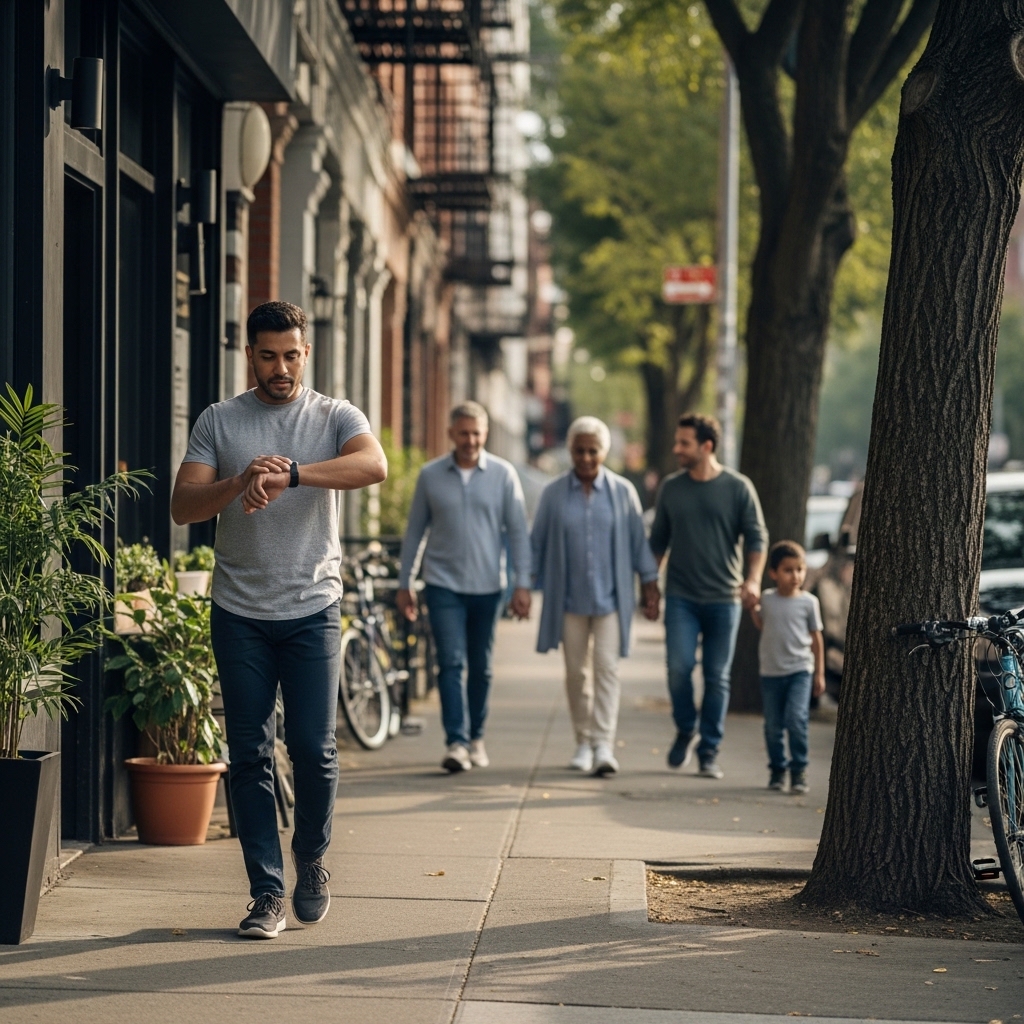
The beauty of the habit is its flexibility. A person working in an office can walk around the building after lunch. A parent can walk with a child after dinner. An older adult can take several laps inside a hallway. Someone living in a dense city can use stairs, a courtyard or a shopping street. Even a short indoor walk can be useful when weather, safety or time makes outdoor movement difficult. The goal is not athletic performance. It is to replace automatic sitting with light movement.
Walking after meals may also support digestion, though it should be approached gently. Movement can help stimulate the gastrointestinal system and reduce the sluggish feeling that often follows a heavy meal. Many people report less bloating and more comfort when they walk slowly after eating rather than lying down. The key is moderation. A hard workout immediately after a large meal can cause cramps, reflux or nausea in some people. A relaxed walk is different. It works with the body’s post-meal state rather than fighting it.
The habit also fits into broader public-health recommendations. The World Health Organization advises adults to do at least 150 minutes of moderate-intensity physical activity each week, with additional benefits at higher levels, and to include muscle-strengthening activities. For people who struggle to find a single block of exercise time, post-meal walking breaks offer a practical route into that target. Three 10-minute walks after meals can add up to 30 minutes of daily movement without requiring a separate workout session.
This matters because sedentary time is one of the quiet risks of contemporary life. Many people now spend most of the day seated: working, commuting, studying, watching screens and eating. Even people who exercise regularly can accumulate long periods of inactivity. Short walking breaks after meals do not solve every problem, but they create a rhythm of movement across the day. They remind the body that food is followed by use, not storage alone.
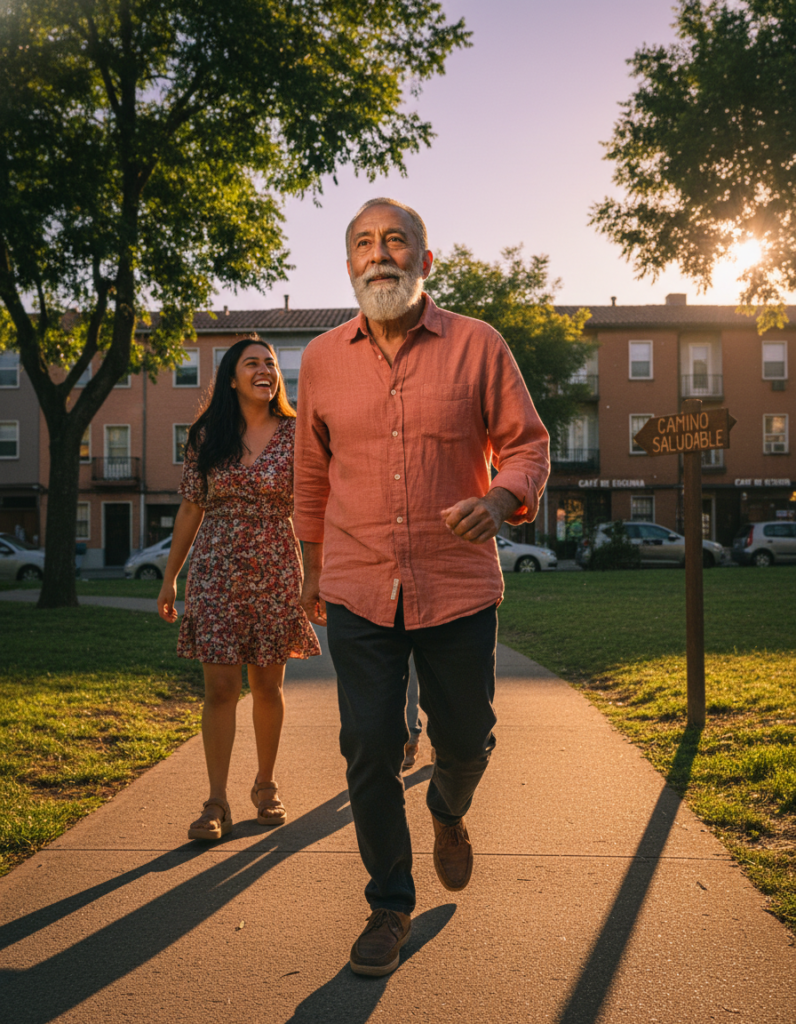
The benefits may extend beyond metabolism. Walking is associated with cardiovascular health, weight management, improved mood and lower stress. A walk after dinner can become a transition between work and rest. It can reduce the urge to keep snacking in front of a screen. It can create a moment for conversation with family or a quiet mental reset after a demanding day. In cities where people feel isolated, a regular evening walk can also reconnect residents with their neighborhood.
For younger adults, post-meal walking fits the growing interest in longevity and preventive health. Many people in their 20s and 30s now track sleep, heart rate, glucose and fitness metrics through wearable devices. But the lesson from post-meal walking is refreshingly low-tech. Before chasing complex optimization, the body benefits from basic consistency: eat, move, sleep, repeat. A walk after lunch may not look impressive on social media, but it may be more sustainable than a punishing workout routine that lasts only a few weeks.
For older adults, the habit can support independence when done safely. Walking after meals can improve daily step count, maintain mobility and build confidence. But safety is essential. People with balance problems, heart disease, severe joint pain, neuropathy or diabetes treated with insulin or glucose-lowering medication should follow medical advice and monitor symptoms. Those at risk of low blood sugar may need to check glucose before and after activity. A safe walking surface, supportive shoes and an appropriate pace matter more than speed.
There are also cultural reasons the practice resonates. Many societies have long traditions of walking after dinner, from evening strolls in Mediterranean towns to neighborhood walks in Asian cities. Modern science is giving new language to an old instinct. The post-meal walk is not a wellness invention. It is a return to a human pattern that industrial schedules and digital entertainment pushed aside.
The challenge is making the habit easy enough to survive real life. That may mean leaving walking shoes near the door, scheduling a short route, walking with a colleague after lunch, taking phone calls on foot or setting a household rule that dinner is followed by 10 minutes outside. The walk should feel like a routine, not another burden. The best health habits are often the ones that require the least negotiation.
Walking after meals is not a cure-all. It will not cancel the effects of a consistently poor diet, chronic sleep deprivation, smoking, excessive alcohol or untreated disease. It should not be used as punishment for eating. Food is not a mistake that must be erased. The healthier message is simpler: after the body receives energy, give it a chance to use some of it.
That message is powerful because it is accessible. In a wellness culture crowded with expensive devices, restrictive plans and complicated claims, a post-meal walk is democratic. It can be done by many people, in many places, at little or no cost. It can begin with five minutes. It can grow gradually. It can be shared.
The smallest habits often matter because they happen repeatedly. A single walk after dinner may not change a life. Hundreds of them can change a pattern. They can turn passive evenings into active ones, reduce long stretches of sitting and help the body manage the daily rise and fall of blood sugar. In public health, as in personal health, scale comes from repetition.
The future of wellness may include advanced diagnostics, personalized nutrition and artificial intelligence coaching. But one of the most useful prescriptions remains ancient and ordinary: after eating, take a walk. It is a small act of self-care, quiet enough to seem insignificant, but strong enough to reshape the hours after every meal. In a world searching for complicated answers, the path to better health may begin just outside the door.”””