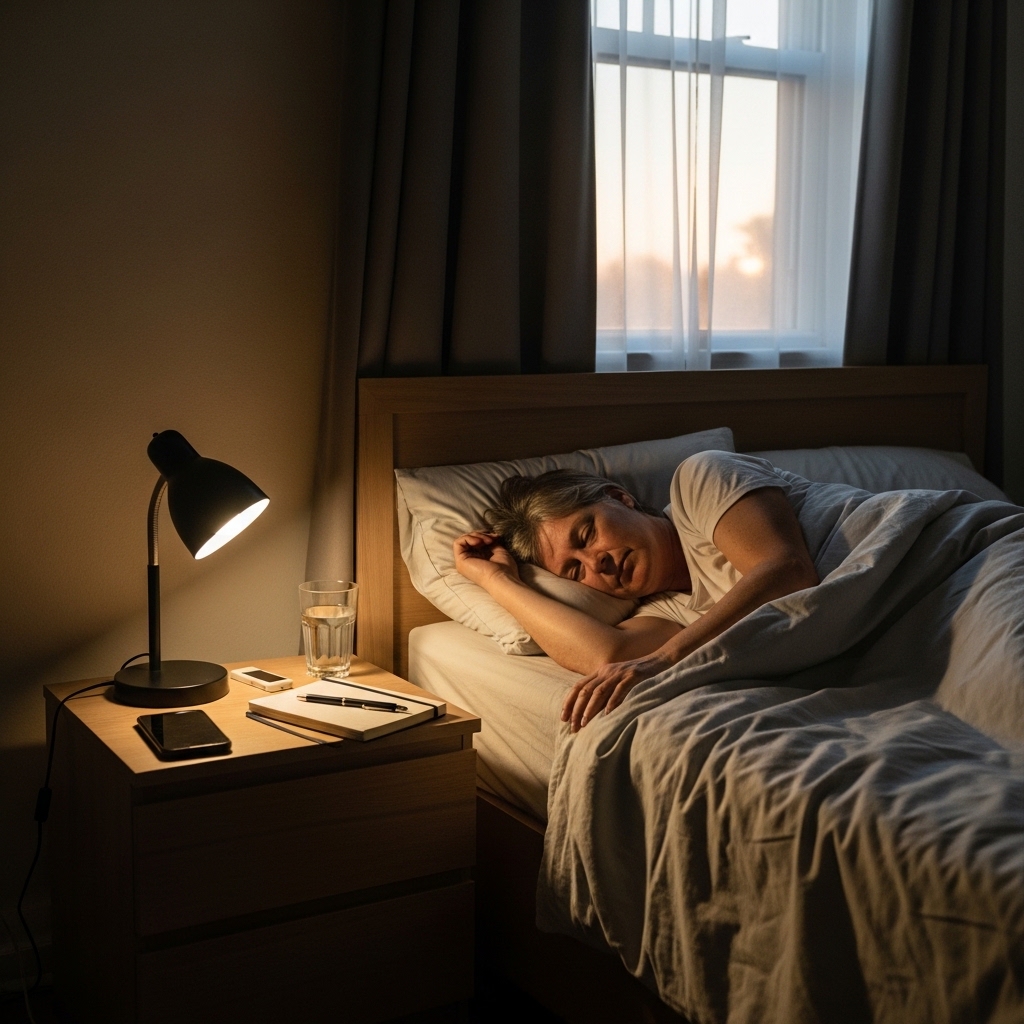
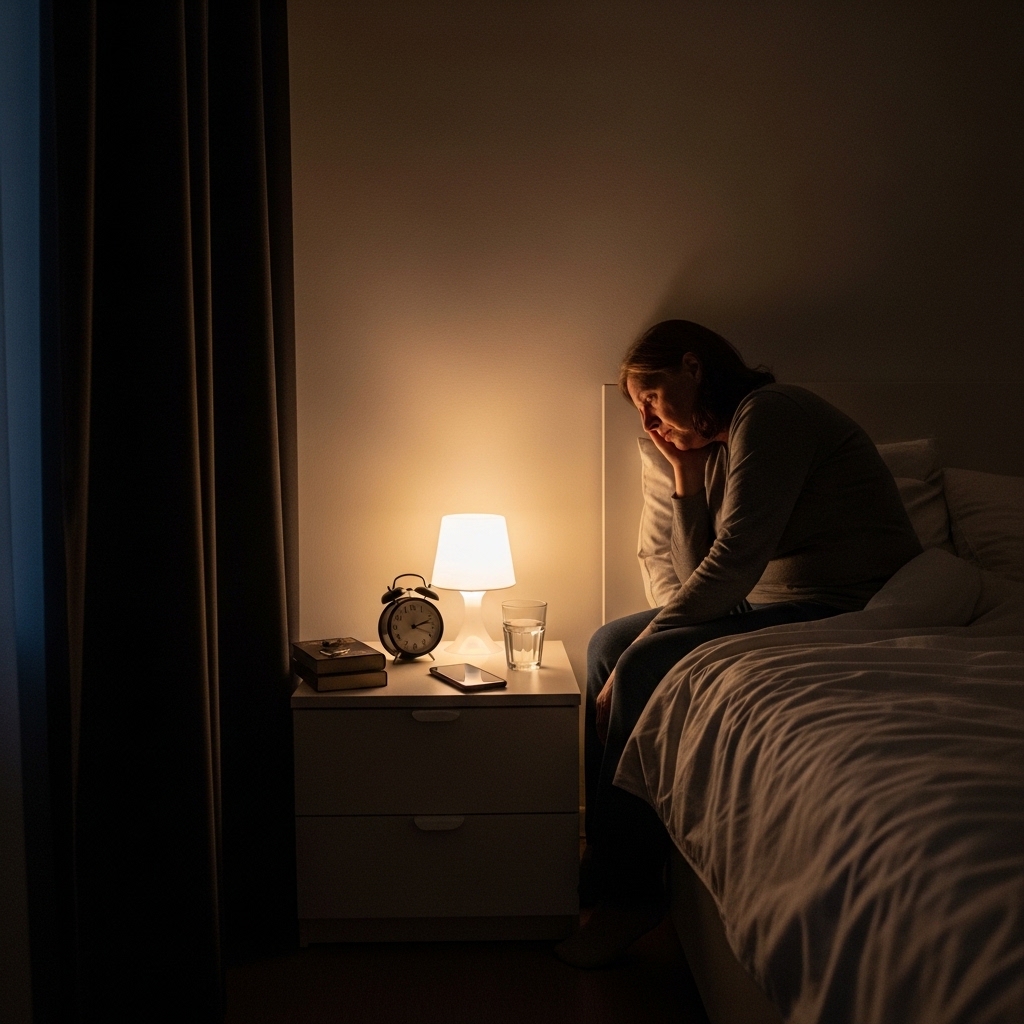
Once treated as lost time in a culture of productivity, sleep is now being redefined as a foundation of physical health, mental stability and economic performance.
For decades, modern life treated sleep as negotiable. Executives boasted about needing only four hours. Students pulled all-nighters as a badge of ambition. Shift workers adapted to rotating schedules because the economy demanded it. Parents sacrificed rest to childcare, emails and household tasks. Screens followed people into bed, and the final minutes of the day were often given not to silence, but to scrolling.
That attitude is changing. Sleep is becoming one of the most discussed health priorities of the modern age, described by doctors, employers, athletes and wellness companies as a form of medicine hiding in plain sight. It has no packaging, no prescription label and no celebrity inventor. Yet the evidence behind it is increasingly difficult to ignore: sleep affects the brain, heart, metabolism, immune system, mood, memory and safety.
The new attention reflects both scientific progress and social exhaustion. Researchers have spent years mapping the relationship between poor sleep and chronic disease. Public health agencies have warned that insufficient sleep is common across age groups. Wearable devices now give users nightly scores, turning rest into data. At the same time, millions of people are discovering that no supplement, productivity app or morning routine can fully compensate for a body that is chronically tired.
The American Academy of Sleep Medicine has stated that sleep is essential to health, emphasizing not only duration but also quality, timing, regularity and the absence of sleep disorders. That broader definition matters. A person may spend eight hours in bed and still wake unrested because of insomnia, sleep apnea, pain, stress, alcohol, caregiving demands or an irregular schedule. Sleep health is not simply a number. It is a pattern.
In the United States, the Centers for Disease Control and Prevention tracks insufficient sleep as a public health issue, noting that about one-third of adults and children under 14 do not get enough sleep, while the problem is even more pronounced among high school students. Lack of sleep is linked with anxiety, depression, obesity, heart disease, injury and other serious conditions. These are not abstract risks. They shape classrooms, workplaces, roads and hospitals.
The brain is often the first place people notice the cost of poor sleep. After a bad night, attention narrows. Reaction time slows. Emotional control weakens. Small frustrations become larger. Memory becomes less reliable. A person may remain functional, but the mental margin is thinner. Over time, that strain can affect learning, decision-making and relationships.
Sleep is especially important for memory because the sleeping brain is not idle. It sorts information, strengthens some memories and lets others fade. It also helps regulate emotional experiences. A difficult conversation, a stressful deadline or a frightening news event may feel less overwhelming after restorative sleep. Without it, emotional signals can remain sharper and more intrusive.
The connection between sleep and mental health is now a central concern. Insomnia can both accompany and worsen depression and anxiety. Stress can disrupt sleep, and poor sleep can intensify stress, creating a cycle that is hard to break. This is one reason clinicians increasingly treat sleep not as a side issue, but as part of mental health care. Improving sleep may not solve every psychological problem, but ignoring it can make treatment harder.
The body also depends on sleep for regulation. During sleep, hormones involved in hunger, stress and metabolism are influenced. Blood pressure can drop. Cells repair damage. The immune system coordinates parts of its defense. Studies have linked sleep deprivation with cardiometabolic problems and inflammatory changes. The message is not that sleep is a miracle cure, but that chronic sleep loss can push multiple systems out of balance.
Heart health has become one of the clearest examples. Researchers have examined not only how long people sleep, but also how regularly they sleep. Irregular sleep patterns — inconsistent bedtimes and wake times — have been associated with higher cardiovascular risk in large population studies. This has helped shift public advice away from the simple weekend recovery model. Sleeping late on Saturday may feel helpful, but it may not fully undo a week of disruption.
The immune system offers another warning. Sleep supports host defense, and sleep deprivation has been associated with changes in immune function and inflammation. Anyone who has become sick after a period of intense stress and poor rest may recognize the pattern. The science is more complex than the folk wisdom, but the practical lesson is familiar: a tired body is often a less resilient one.
The economy is also paying attention. Fatigue reduces productivity, increases mistakes and contributes to accidents. In industries such as transportation, health care, manufacturing and emergency response, sleep loss can become a safety risk not only for the worker but for the public. A drowsy driver, an exhausted nurse or a fatigued machine operator can make errors with consequences far beyond one bad night.
This has created a new market around sleep. Mattresses, cooling sheets, blackout curtains, smart rings, watches, sleep-tracking apps, meditation subscriptions, white-noise machines and supplements all promise better rest. Some products are useful. Others are exaggerated. The commercialization of sleep has produced a paradox: people are now anxious about optimizing the very thing that requires letting go.
For some users, tracking sleep can encourage healthier habits. Seeing that late caffeine, alcohol or screen use affects rest may motivate change. For others, the data can become another source of pressure. A poor sleep score may make a person worry before the day even begins. Specialists sometimes describe this as a form of sleep performance anxiety: the more someone tries to force perfect sleep, the more elusive sleep becomes.
The medical side of sleep is also expanding. Sleep apnea, a disorder in which breathing repeatedly stops or becomes shallow during sleep, is increasingly recognized as underdiagnosed and clinically important. It can contribute to daytime fatigue, cardiovascular strain and impaired concentration. Insomnia, restless legs syndrome, circadian rhythm disorders and other conditions also require proper diagnosis. For many people, the answer is not a luxury pillow but medical evaluation.
Still, the basics remain powerful. Consistent sleep and wake times, morning light exposure, reduced late caffeine, less alcohol near bedtime, a dark and cool sleeping environment, regular physical activity and a calmer transition before bed can all support sleep. These habits sound simple, but they compete with work schedules, family responsibilities, digital entertainment and economic stress. Sleep advice often fails when it ignores real life.
For low-income workers, parents of infants, caregivers, students and people working night shifts, sleep is not always a personal choice. It is shaped by wages, housing, noise, safety, commuting time and labor policy. A person living near traffic or working two jobs cannot always solve sleep deprivation with better discipline. If sleep is medicine, access to it is unequal.
That inequality is becoming a public health question. Schools that start very early can conflict with adolescent biology, since teenagers naturally tend to fall asleep and wake later. Workplaces that reward constant availability may undermine recovery. Cities with noise, heat and overcrowded housing can make rest difficult. Treating sleep as health means looking beyond the bedroom.
The cultural change may be just as important as the clinical one. To value sleep is to challenge the idea that exhaustion proves seriousness. It means accepting that rest is not laziness and that the body’s limits are not moral failures. Athletes have helped popularize this view by treating sleep as part of training. Some companies now discuss sleep as part of performance and safety. Parents are beginning to recognize that children’s sleep affects behavior and learning as much as discipline does.
But sleep should not be oversold. It is not a replacement for medical care, exercise, nutrition, social connection or fair working conditions. It cannot erase grief, cure poverty or fix every disease. The danger of calling sleep “medicine” is that it can turn a necessary human function into another wellness command, another way to blame individuals for problems created by society.
The better interpretation is more grounded. Sleep is a biological foundation. When it is strong, many other systems work better. When it is weak, many problems become harder to manage. The renewed attention to sleep is therefore not a trend so much as a correction. Modern life spent years borrowing hours from the night. Now the bill is coming due.
In the end, the most valuable sleep technology may be a darker room, a quieter evening, a more humane work schedule and the permission to stop. The world will continue to sell solutions, but the basic truth remains stubbornly simple. Every night, the body asks for time to repair what the day has spent. Increasingly, science is telling society what fatigue has been saying all along: sleep is not the opposite of productivity. It is one of the conditions that makes a life sustainable.