Smartwatches and rings are moving from fitness accessories to early-warning tools, but doctors caution that alerts are not the same as diagnoses.
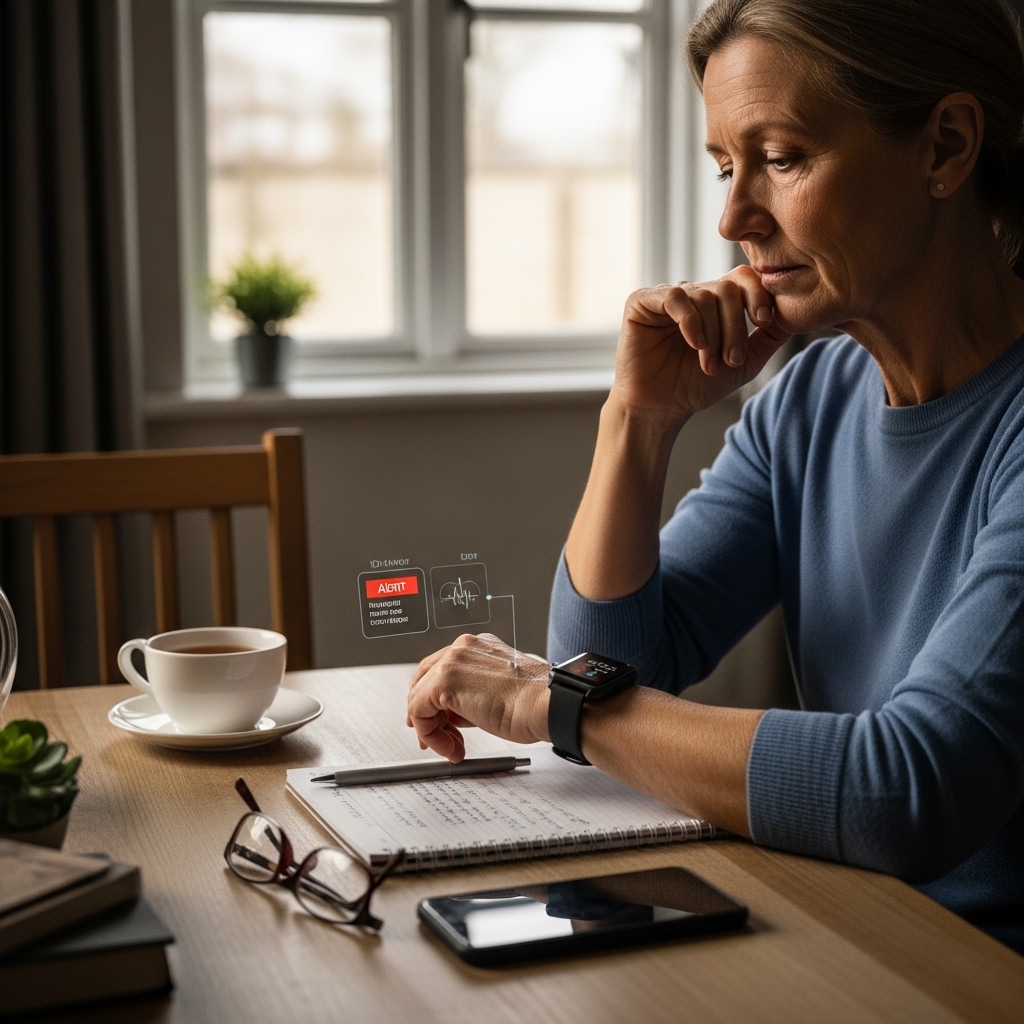
The first sign may not be chest pain, dizziness or a dramatic collapse. It may be a vibration on the wrist in the middle of an ordinary day: an irregular heart rhythm notification, a warning about possible sleep apnea, a change in resting heart rate, a drop in blood oxygen during sleep, or a recovery score that suddenly looks different from the user’s normal pattern.
Wearable health technology has entered a new phase. Smartwatches, fitness bands and smart rings were once marketed mainly as tools for counting steps, timing runs and tracking calories. Today, they are increasingly positioned as personal health monitors, collecting continuous signals from the body and using algorithms to detect patterns that might otherwise go unnoticed.
The shift is significant because medicine has traditionally depended on snapshots. A patient visits a clinic, a doctor takes measurements, a test is ordered, and the result reflects one moment in time. Wearables offer something different: repeated, passive measurements across days, weeks and months. They do not replace hospitals or physicians, but they can reveal changes that happen between appointments.
The clearest example is heart rhythm monitoring. Many modern smartwatches use optical sensors to track pulse patterns and, in some models, electrocardiogram features to record short heart rhythm strips. These tools can alert users to signs consistent with atrial fibrillation, a common irregular heart rhythm that can increase the risk of stroke. For people who rarely feel symptoms, a watch notification can become the first reason to seek medical evaluation.
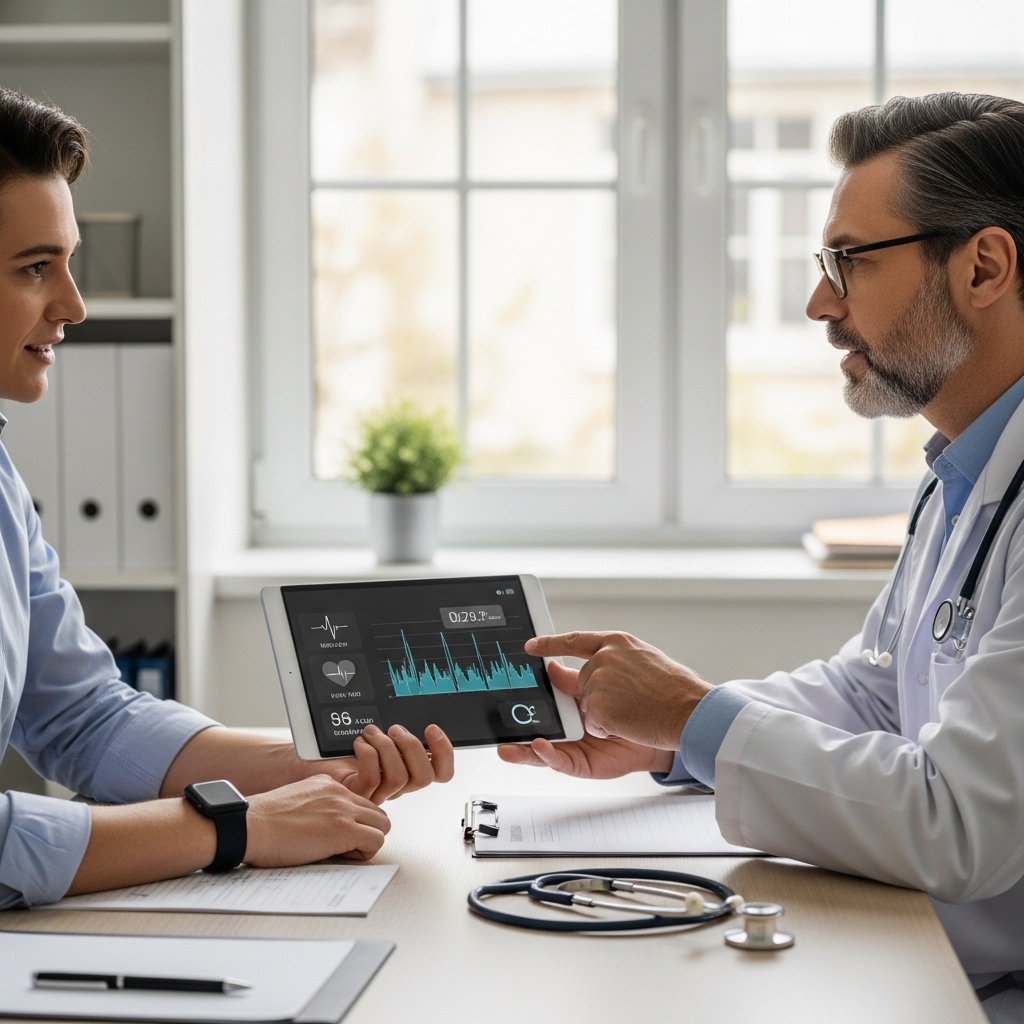
Cardiologists generally view this as one of the strongest consumer wearable use cases, while still urging caution. Smartwatches can be very good at identifying possible atrial fibrillation, especially when the signal quality is strong and the user follows instructions. But not every irregular rhythm is atrial fibrillation, and not every notification means disease. Motion, poor sensor contact, skin characteristics and algorithm limits can affect results. A wearable can raise a flag; a clinician must interpret it.
Sleep is becoming another frontier. Devices now track movement, heart rate, breathing patterns, blood oxygen trends and sleep stages. Some watches have received regulatory clearance for features that alert users to possible signs of moderate to severe obstructive sleep apnea, a condition in which breathing repeatedly stops or becomes shallow during sleep. Sleep apnea is associated with daytime fatigue, high blood pressure, cardiovascular problems and reduced quality of life, yet many people remain undiagnosed.
This is where the promise of wearables becomes obvious. A person may sleep poorly for years without understanding why. A device that notices repeated breathing disturbances may encourage that person to see a doctor, complete a sleep study and begin treatment. The watch does not diagnose sleep apnea by itself. But it can shorten the time between hidden symptoms and medical attention.
The third area is cardiovascular risk beyond rhythm. Wearables are increasingly analyzing resting heart rate, heart rate variability, walking steadiness, cardio fitness estimates and, in some newer systems, patterns that may suggest elevated blood pressure risk. These features are not equivalent to a medical examination. They are trend indicators. Their value lies in comparison with a person’s own baseline. A resting heart rate that is normal for one individual may be unusual for another. A sudden change after months of stability may be more meaningful than a single number.
That baseline model is one of the most important developments in wearable health. The device learns what is typical for the user. It can then identify deviations: sleep quality worsening, recovery declining, temperature rising, pulse changing or activity dropping. These signals may reflect infection, stress, overtraining, dehydration, poor sleep, medication effects or illness. The challenge is that the same data pattern can have many explanations.
This ambiguity explains both the excitement and the anxiety around wearable health. A device that notices change can prompt earlier care. But it can also create unnecessary worry. Some users become obsessed with scores and graphs, checking their body as if every fluctuation is a warning. Doctors increasingly see patients bringing screenshots from watches, rings and apps. Sometimes the data helps. Sometimes it creates noise.
The best use of wearable health is not panic monitoring. It is informed observation. A single bad sleep score is not a crisis. A temporary rise in heart rate after exercise, alcohol, travel or stress may be expected. But repeated alerts, persistent changes, severe symptoms or unusual readings should be taken seriously and discussed with a qualified professional. The device is a signal, not a verdict.
The technology also reflects a broader transformation in health care. Around the world, aging populations and rising chronic disease are putting pressure on medical systems. Remote monitoring could help clinicians follow patients with heart disease, diabetes, respiratory problems or post-surgical recovery without requiring constant hospital visits. For rural communities, older adults or people with mobility challenges, the ability to share data remotely may improve access.
Hospitals and researchers are also studying how wearable data can support clinical trials, rehabilitation and preventive care. Instead of relying only on patient memory or occasional tests, researchers can analyze activity, sleep and physiological trends over time. This could make health care more personalized. A treatment plan might eventually adjust not only to lab results, but to how a person sleeps, moves and recovers in real life.
However, consumer devices are not evenly validated for all uses. Step counts, heart rate, oxygen saturation, sleep stages and stress scores can vary in accuracy across brands and conditions. Devices may perform differently depending on skin tone, tattoo coverage, wrist shape, movement, sensor placement and software updates. A feature cleared for one purpose should not be assumed accurate for another. Marketing language often moves faster than clinical evidence.
Privacy is another major concern. Wearables collect intimate information: heart patterns, sleep habits, menstrual cycles, exercise routines, location, stress indicators and sometimes health conditions. This data can be valuable to users and doctors, but also to insurers, employers, advertisers and technology companies. Many consumers do not fully understand where their data goes, how long it is stored or whether it can be used for purposes beyond health feedback.
The question is not only whether a device can detect abnormal signs. It is who controls the information once it does. Stronger privacy rules, clearer consent, secure storage and transparent data-sharing policies will become increasingly important as wearables move deeper into medical territory. Health data is not ordinary consumer data. It can affect dignity, discrimination, employment, insurance and trust.
There is also an equity problem. The people who can afford advanced watches, rings and subscription services are not always the people at highest medical risk. If wearable health becomes a major gateway to early detection, health systems must avoid widening existing gaps. The future should not be one in which wealthier users receive continuous early warnings while poorer patients remain dependent on overstretched clinics and late diagnoses.
The cultural impact is already visible. People are learning to think of health as a stream of data rather than an occasional checkup. They know their resting heart rate, sleep duration, oxygen trends and daily readiness scores. This can encourage better habits: more walking, better sleep, earlier conversations with doctors, and greater awareness of the body’s signals. But it can also reduce well-being to numbers, making people feel judged by devices designed to optimize performance.
The most responsible framing is balance. Wearables are powerful tools for awareness, prevention and early warning. They are not doctors, and they are not immune to error. Their greatest strength is continuous attention. Their greatest weakness is limited interpretation.
For users, the practical rule is simple: treat wearable alerts as reasons to pay attention, not reasons to self-diagnose. Save the data, note symptoms, consider context and consult a health professional when warnings repeat or when symptoms are serious. For clinicians, the challenge is to integrate patient-generated data without being overwhelmed by false alarms. For regulators and companies, the task is to ensure that health features are tested, clearly explained and responsibly marketed.
A watch that detects signs of abnormality does not make the body less mysterious. It makes some signals easier to notice. That is a meaningful change. In the best case, wearable health can turn silent risk into timely action, helping people seek care before a problem becomes an emergency. In the worst case, it can flood users with confusing numbers and companies with sensitive data.
The future of wearable health will depend on which path societies choose. The technology is already on the wrist. The harder work is building the trust, evidence and safeguards needed to make those alerts genuinely useful.