
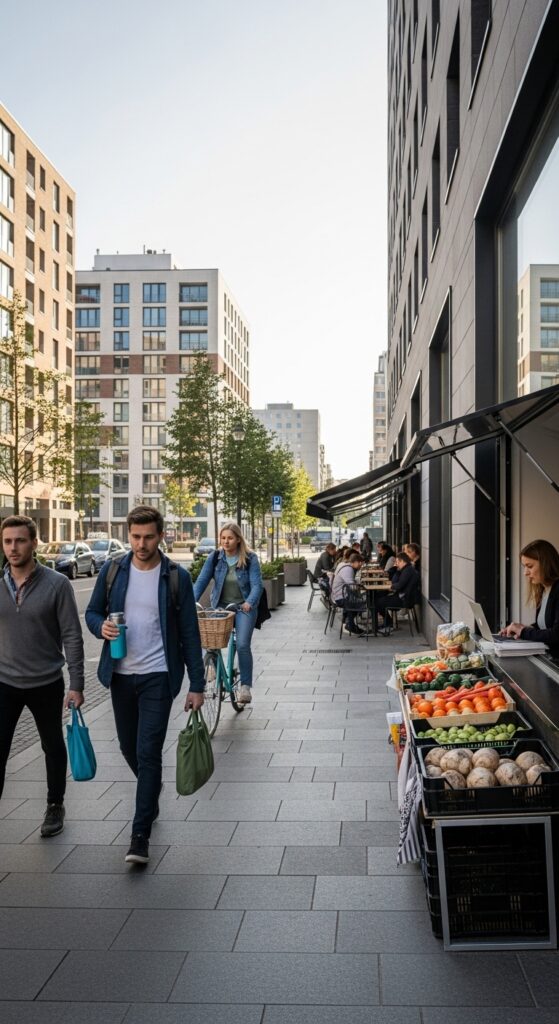
As consumers rethink how they work, eat, travel, dress and rest, lifestyle has become a powerful reflection of economic pressure and personal aspiration.
Lifestyle was once treated as a soft corner of culture, a category of fashion pages, home magazines and weekend habits. Today it has become a major global industry and a serious measure of how people are adapting to a more uncertain world.
Across countries and income groups, people are reassessing the routines that shape daily life. They are asking how to stay healthy, how to balance work and family, how to consume more responsibly, how to live in smaller spaces, how to travel meaningfully and how to protect attention in a digital environment that rarely pauses.
The lifestyle economy has expanded because it touches almost every decision outside formal work: food, fitness, sleep, clothing, housing, entertainment, beauty, travel and technology. The Global Wellness Institute reported that the global wellness economy reached $6.8 trillion in 2024, showing how strongly health-oriented living has moved into mainstream consumer behavior. The figure reflects not only gyms and spas, but also nutrition, mental wellness, wellness tourism, personal care and public health-oriented lifestyles. :contentReference[oaicite:0]{index=0}
Yet the modern lifestyle market is shaped by contradiction. Consumers want better health but face high food prices, demanding jobs and unequal access to safe neighborhoods. They want sustainable products but often confront higher prices and confusing claims. They want travel and experience but worry about climate, overcrowding and cost. They want digital convenience but increasingly feel exhausted by constant connection.
Work has become one of the strongest forces reshaping lifestyle. Hybrid and remote arrangements have changed commuting, clothing, home design, exercise routines and meal patterns. For many workers, flexibility has become a form of quality of life. For others, the disappearance of boundaries between office and home has created new stress. Reports on hybrid work in 2025 show that companies increasingly treat flexibility, employee well-being and technology as central to workplace strategy rather than temporary pandemic-era adjustments. :contentReference[oaicite:1]{index=1}
Food culture is also changing. Consumers are seeking meals that promise health, convenience and identity. Plant-forward diets, high-protein snacks, functional drinks and traditional local ingredients all compete for attention. At the same time, the cost of living has made many households more cautious. The ideal lifestyle meal may be organic, ethical and beautiful, but the daily reality is often shaped by time, budget and availability.
Fashion reflects the same tension. Sustainable clothing, resale platforms and circular design are gaining visibility, but fast fashion remains powerful because it is cheap, fast and socially driven. Consumers may express concern about waste while still buying frequent low-cost items. Brands face growing pressure to prove that sustainability is more than marketing.
Home has become more important. After years of remote work and urban housing pressure, people increasingly want spaces that can support rest, productivity and identity. Small apartments are being redesigned with flexible furniture. Kitchens are becoming wellness spaces. Bedrooms are being treated as sleep environments. Plants, natural light and calming colors are not merely decorative; they are part of a broader search for control.
Travel has shifted from pure sightseeing toward experience, restoration and connection. Reports on travel trends have emphasized wellness trips, nostalgia, slow travel and more community-centered tourism. Travelers want journeys that feel personal and meaningful, not only efficient. But the same desire can contribute to overcrowding in popular destinations, forcing the industry to rethink sustainability and local impact. :contentReference[oaicite:2]{index=2}
Digital life is perhaps the most difficult lifestyle frontier. Phones provide navigation, entertainment, banking, dating, shopping and work. They also fragment attention and reshape social behavior. Digital detox retreats, screen-time limits and analog hobbies are becoming symbols of resistance, though few people can fully disconnect from modern systems.
Lifestyle is often marketed as personal choice, but not all choices are equally available. A person’s ability to eat well, sleep well, exercise, travel, live sustainably or work flexibly depends heavily on income, housing, geography and social support. The language of lifestyle can sometimes disguise inequality by presenting structural advantages as individual discipline.
The next phase of lifestyle will be judged by authenticity and accessibility. Consumers are becoming more skeptical of perfection, extreme routines and luxury wellness promises. Many want practical improvements: better sleep, simpler homes, affordable health, cleaner products, flexible work and meaningful relationships.
Lifestyle is no longer a decorative subject. It is where global economic pressure meets private life. It shows how people are trying to build stability, identity and pleasure in a world that keeps changing.”””
